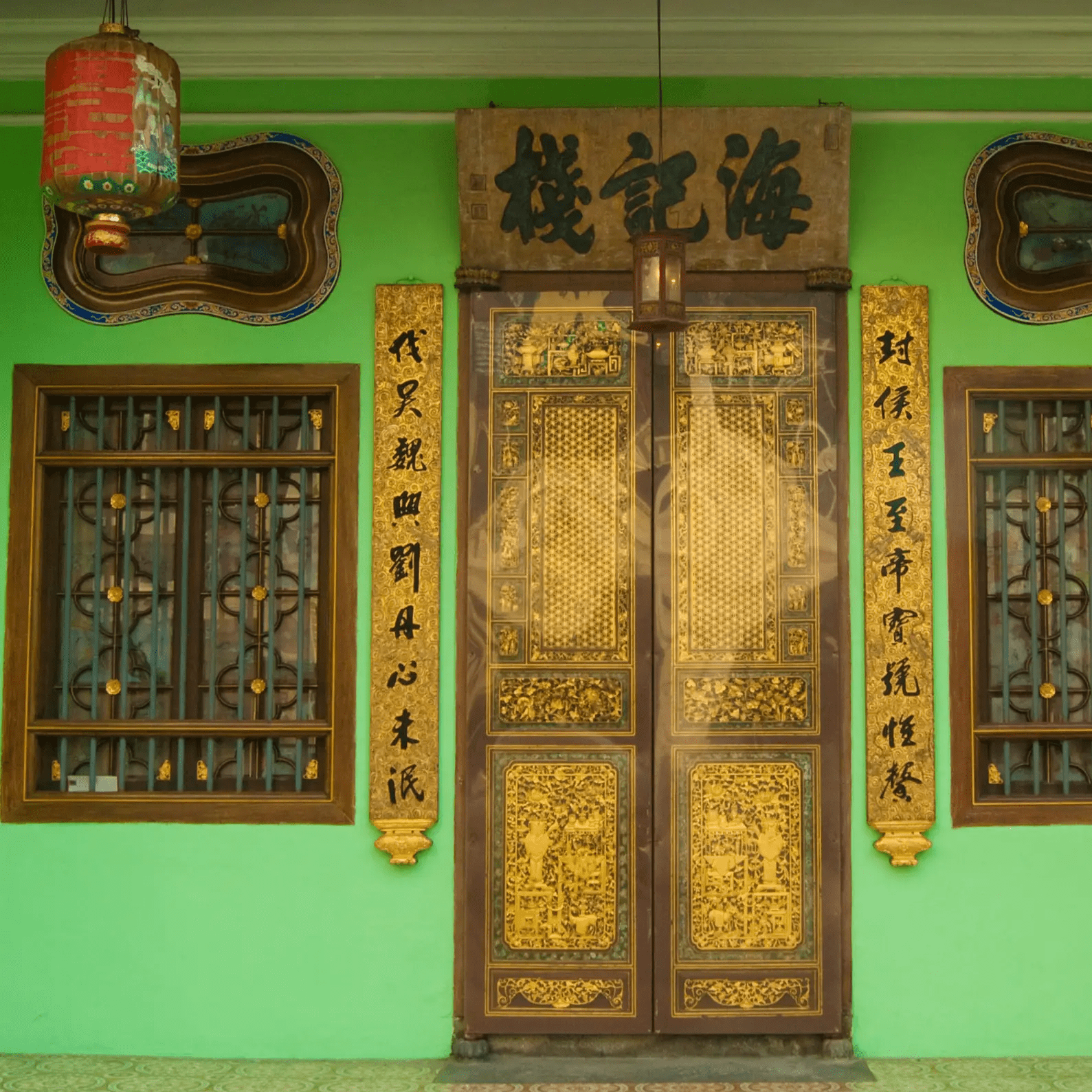

Pinang Peranakan Mansion is a step back in time to an era of opulence in the 19th century. Located on Church Street, this dazzling mansion was built by prosperous businessman Chung Keng Quee. It offers tourists and visitors a spectacular glimpse into the lifestyle and cultural heritage of the Peranakans.
Also known as the Baba Nyonya, they are the descendants of Chinese immigrants who intermarried with local Malay women. Their cultural identity is beautifully reflected in the mansion’s architecture, decor, and the artifacts it houses.
The mansion was more than just a residence, though. It was a centre of social gatherings for Chung Keng Quee. Lavish feasts were held, and important business deals were conducted within its elegant interior. In its day, it was a true hub of high society in British colonial George Town.
The Pinang Peranakan Mansion Story
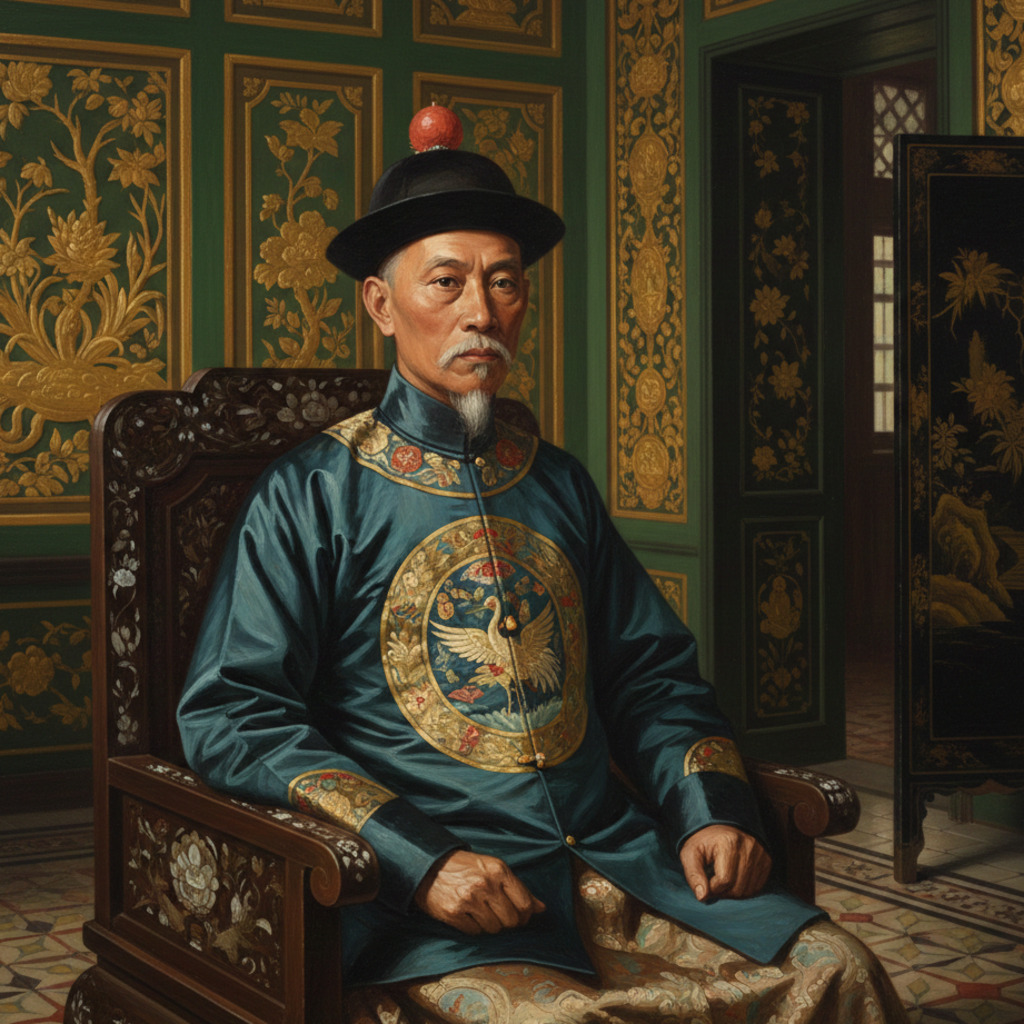
In early Penang, the air hung thick with exotic spice scents and whispers of secret societies. This world belonged to Chung Keng Quee, a wealthy Hai San secret society member with immense power.
Chung Keng Quee was the Kapitan Cina of Perak. As a monument to his success, he built himself an opulent mansion. The building was originally named Hai Kee Chan, or ‘The Sea Remembrance Hall.’ The land was bought in 1893. And when completed, the mansion was a masterpiece of architectural design. A glorious mishmash of Western and Eastern styles.
Chung died in 1901, leaving his magnificent creation to his offspring. The mansion gradually fell into disrepair, becoming a shadow of its former glory. In the 1990s, a property developer repainted the building green and unearthed over a thousand Peranakan antiques. The mansion was reborn as a museum dedicated to preserving Peranakan heritage for all to enjoy.
Brief History of Pinang Peranakans
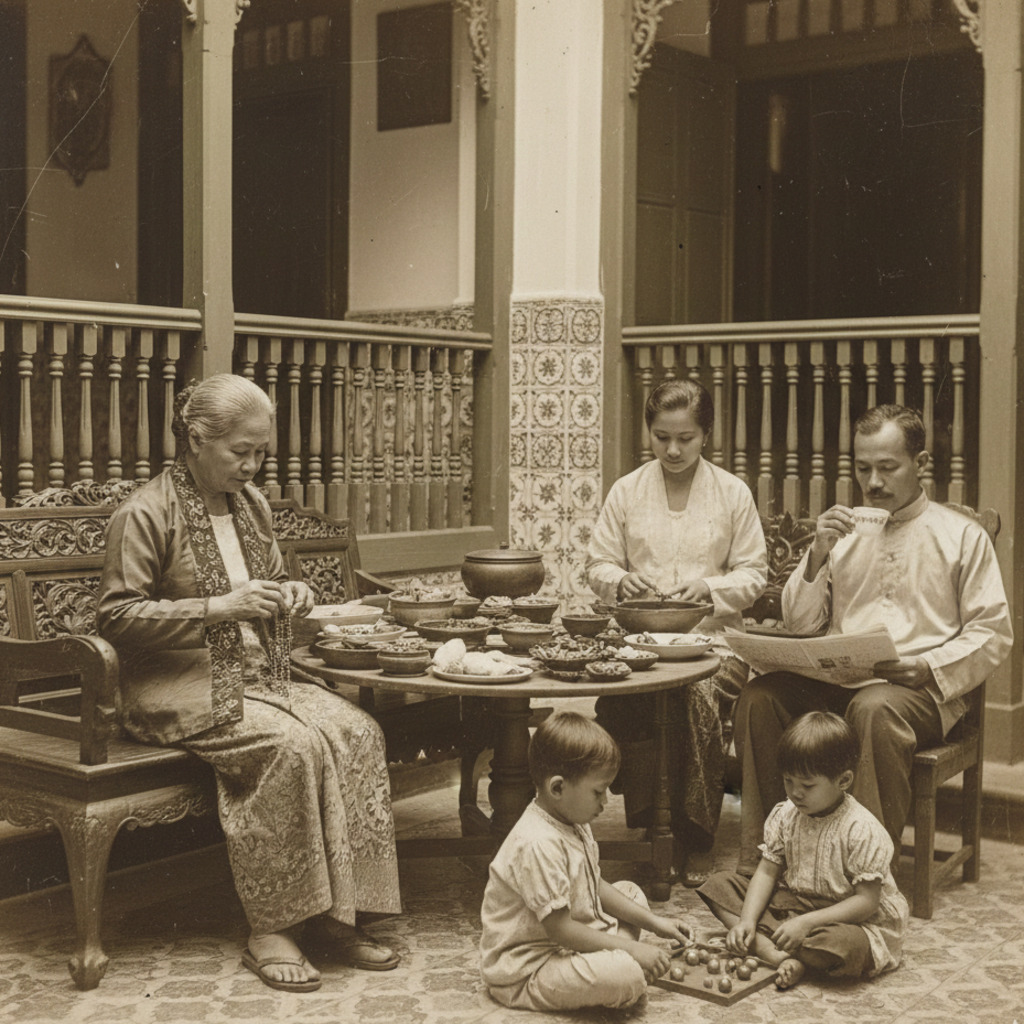
The Peranakans are a unique cultural group in Malaysia that has a fascinating origin story, and one deeply intertwined with the island of Penang. Their story begins centuries earlier with the arrival of Chinese settlers in the newly established port of Melaka. This rag-tag group of Chinese traders, artisans and diplomats from Fujian coastal towns intermarried with the local Malay population. And the offspring gave rise to a distinct identity, evident in their language, cuisine, fashion, and traditions. Read here to learn more about the Baba Nonya.
Many Melaka Peranakans moved north to Penang once both territories fell under British rule. The British viewed Peranakans as diligent workers and educated them in English and administration.
Many business-savvy individuals established themselves as successful merchants, significantly boosting the island’s burgeoning economy.
The 19th and early 20th centuries witnessed a golden age for the Peranakan people. They flourished as successful partners alongside the powerful British Empire. Many became community leaders, building grand homes like the Penang Peranakan Mansion to reflect their success.
Pinang Peranakan Mansion Origin Story
Chung Keng Quee was not just a wealthy businessman; he was a man of influence and power in 19th-century Penang. His business ventures included the booming tin mining business, along with other lucrative enterprises. His wealth and social standing allowed him to commission the construction of a magnificent mansion.
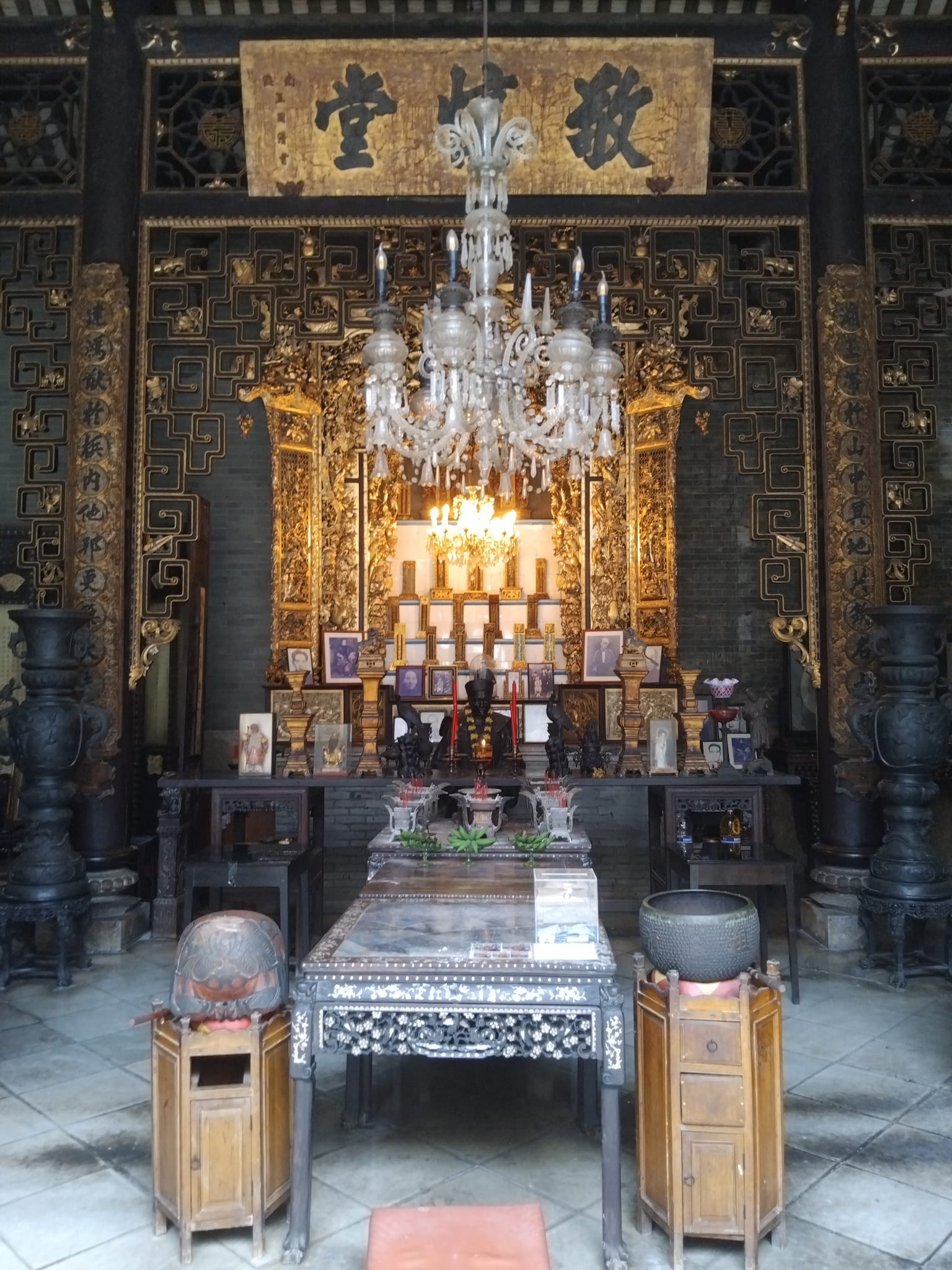
Started in the late 19th century, the mansion’s construction reflects the eclectic tastes of that era. It blends Chinese wood carvings and ornate tilework with European layouts and high ceilings. This fusion of styles remains a hallmark of Peranakan architecture.
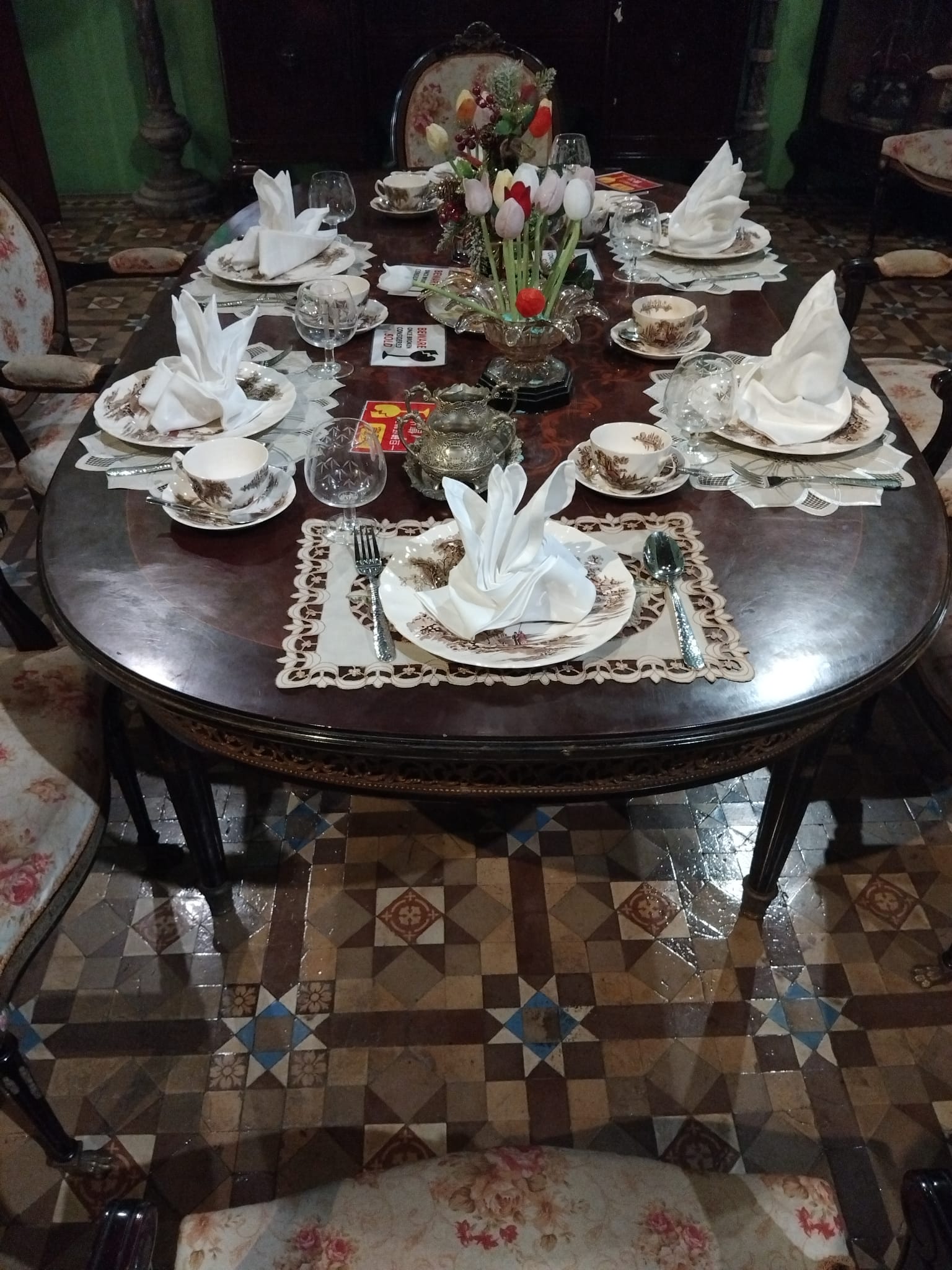
The mansion was not merely a residence, though; it served as a centre for social gatherings and lavish entertainment. You can imagine grand feasts held in the spacious dining room, adorned with fine china and silverware. The elegant interiors provided a backdrop for the high-society life of the Peranakan elite.
The mansion’s Chinese wood panels, ornate tilework, and porcelain vases reflect strong Peranakan traditions in Penang. The courtyard design emphasises symmetry and balance, showcasing a hallmark of traditional Chinese architecture.
The spacious layout and high ceilings of the mansion reflect Malay architectural influences, creating an airy and open atmosphere. The use of natural materials like wood and stone further enhances this connection to the natural world.
While elite in the region, Peranakans also participated in European high culture. This is evident in the grand staircases, large windows, and ornate chandeliers. These elements and Western antique furniture add European elegance, creating a truly cosmopolitan aesthetic.
Some visitors claim to have experienced unexplained occurrences within the mansion, adding a touch of intrigue. Ghostly sightings and strange noises fuel local legends, captivating the imaginations of those who explore its depths.
Journey Through Peranakan Mansion
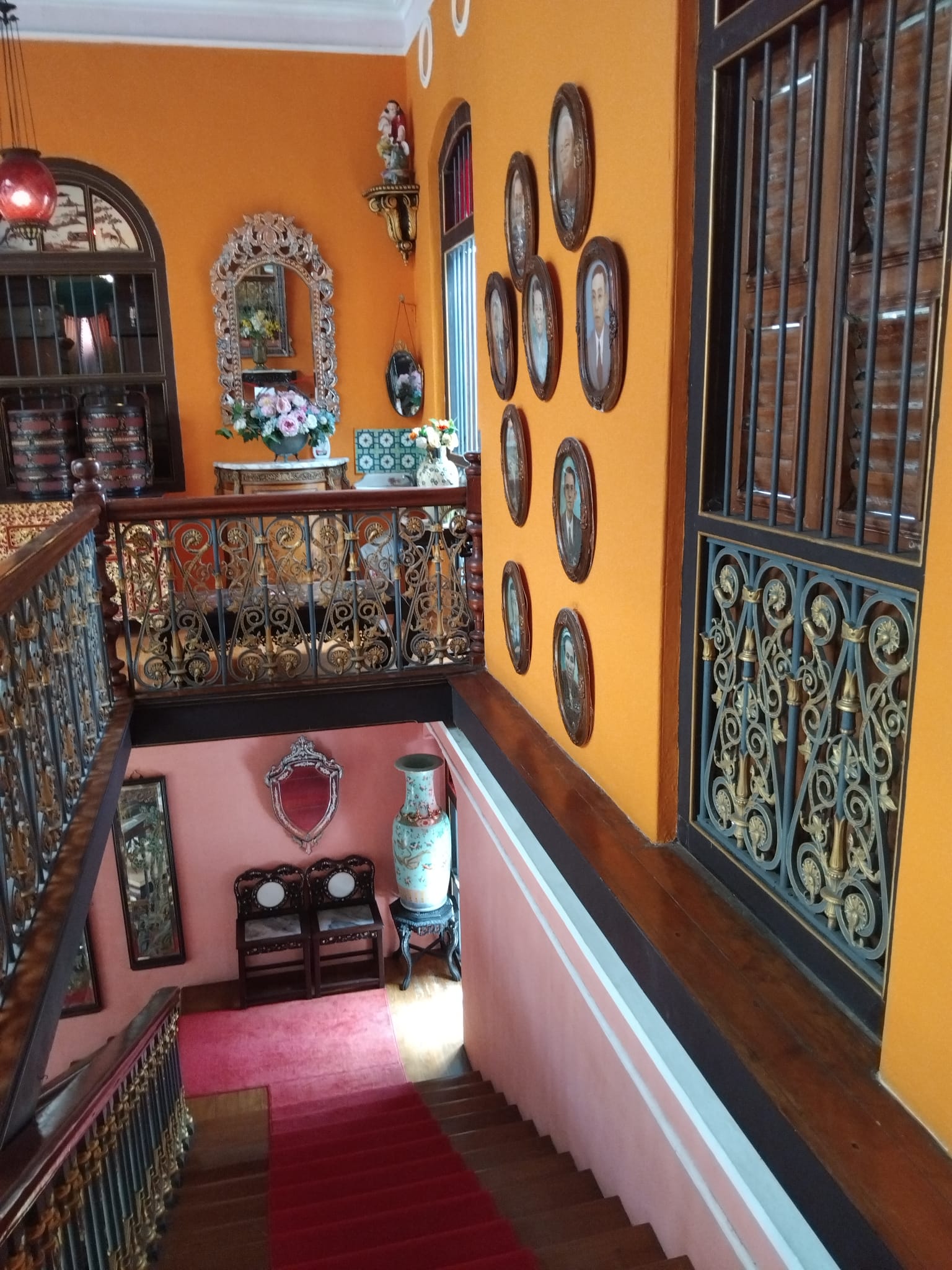
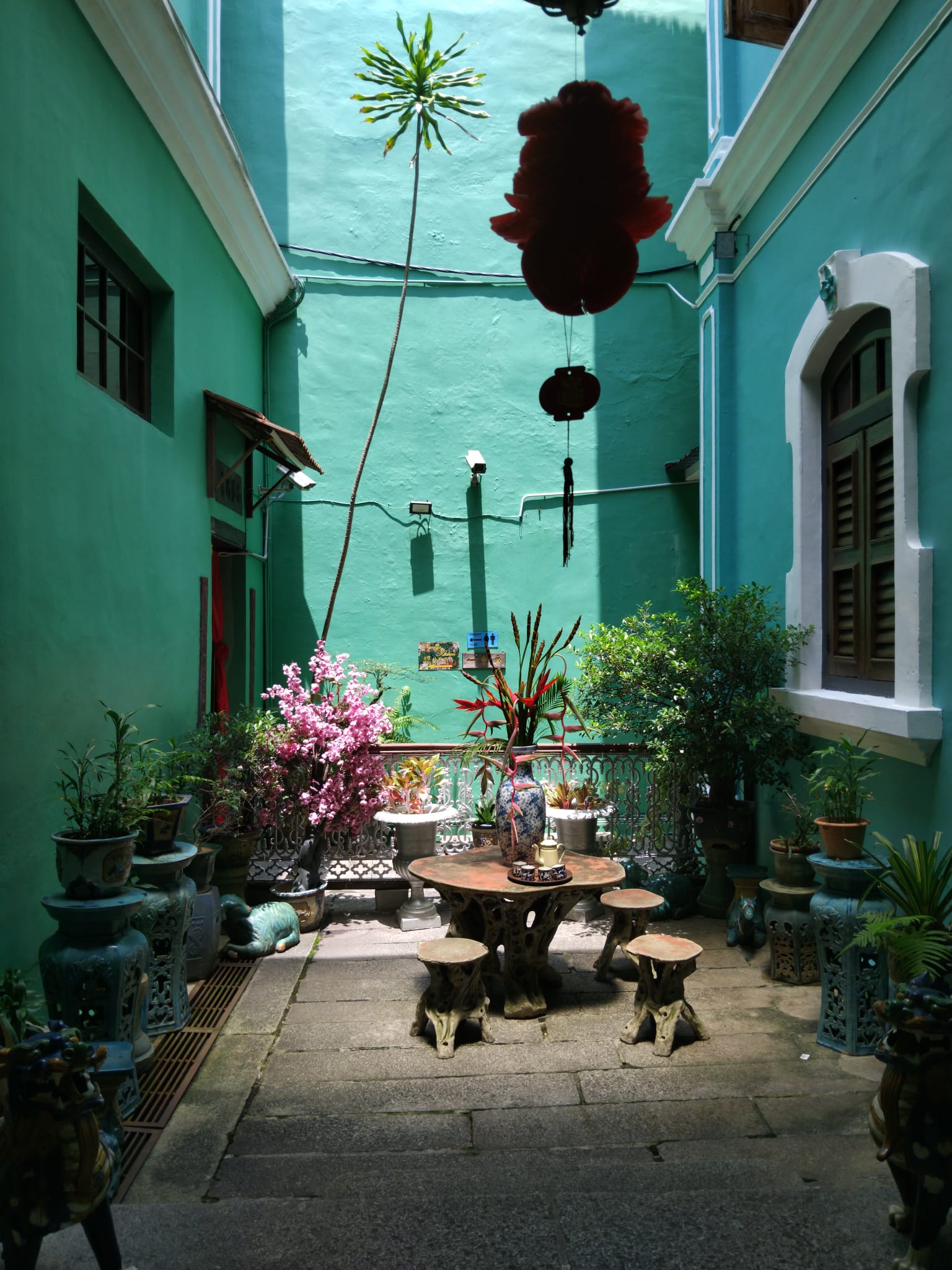
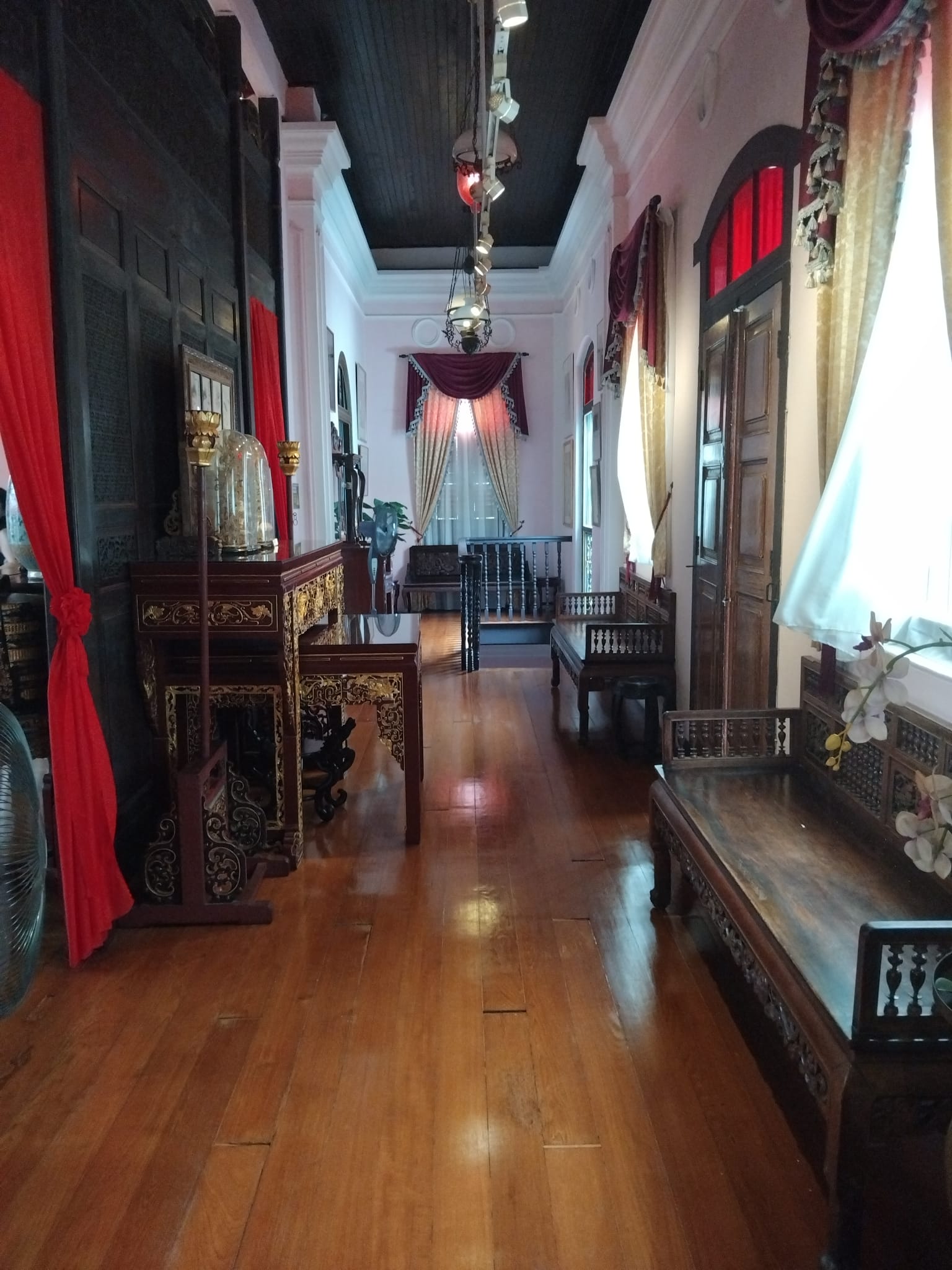
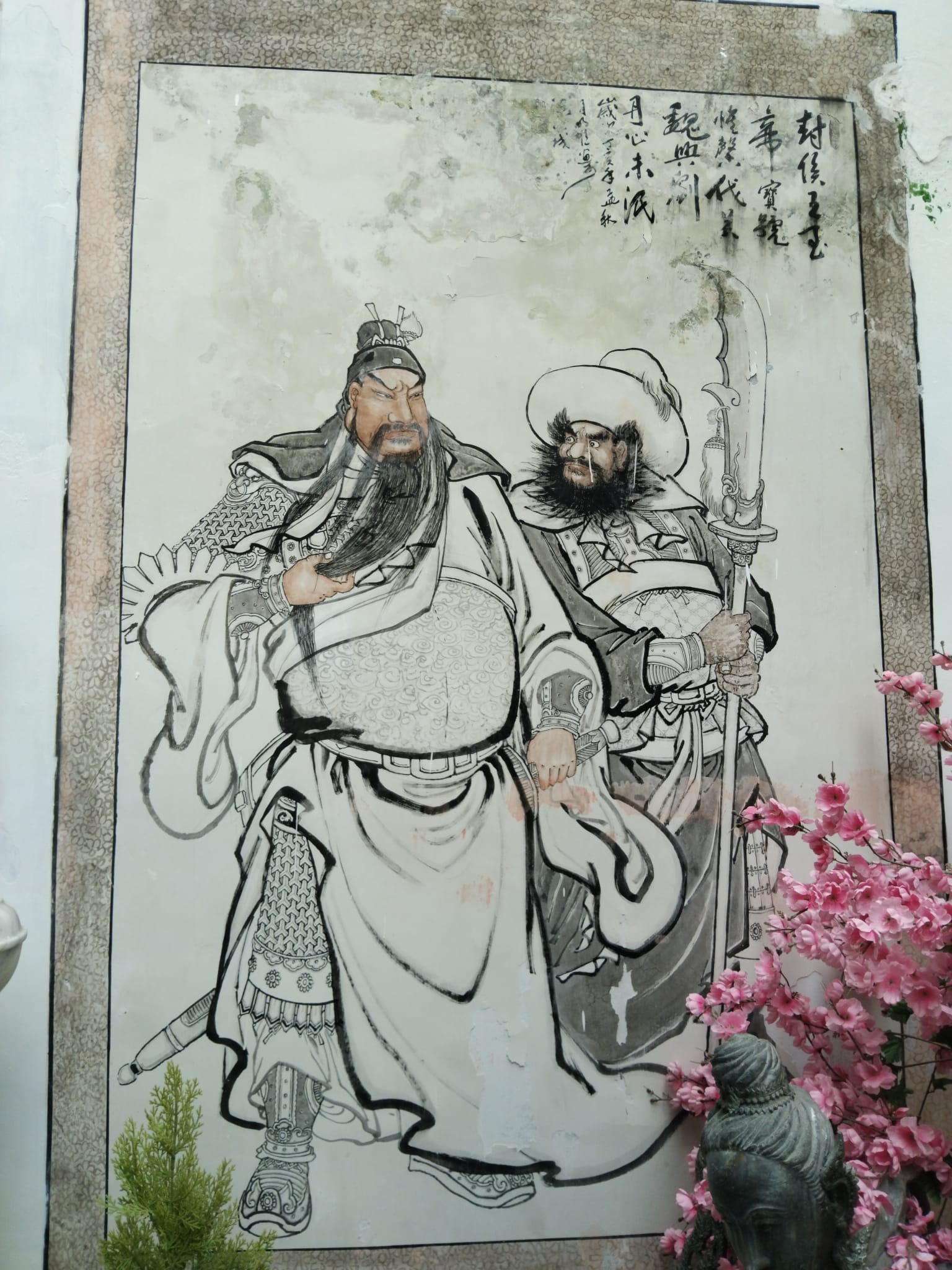
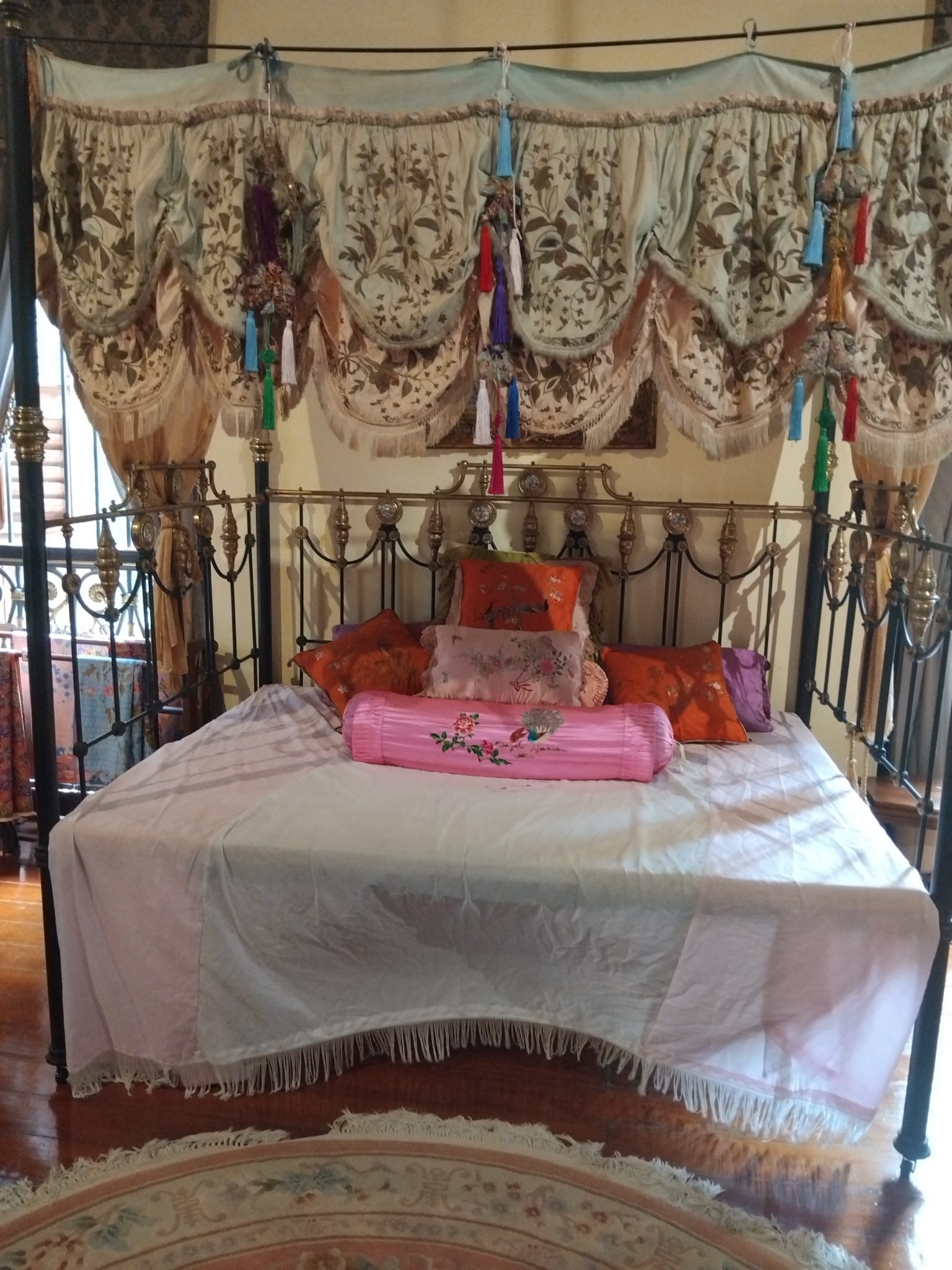
The Pinang Peranakan Mansion is more than just a historical building; it’s an Aladdin’s cave of high Peranakan culture. In the Pinang Peranakan Museum, admire the exquisite Kebaya and Sarongs, worn by Peranakan women. These garments, often adorned with intricate embroidery and beadwork, tell us of the Nonya’s refined sense of style.
Displays showcase intricate Peranakan antiques, including Kerongsang brooches, choker necklaces, and traditional jewellery. These gold, silver, and gemstone adornments were not merely decorative but held deep symbolic significance. Some believed certain Kerongsang possessed mystical powers, offering the wearer protection and good fortune.
The Peranakans were renowned for their fine dining etiquette, with elaborate meals served on intricately decorated tableware. Marvel at the stunning and fragile porcelain and intricately decorated silverware used in Peranakan households. These objects, often imported from China, were prized possessions, reflecting the wealth and status of the family.
Visiting Pinang Peranakan Mansion
Location: 29, Church Street, 10200 Penang, Malaysia.
Opening Hours: Monday – Sunday (including Public Holidays) 9:30 am to 5 pm
Admission Fees: Adults RM25, Children RM12
Pinang Peranakan Mansion Tips
Photography: Photography is allowed, but flash photography might be restricted at certain times and in certain areas.
Guided Tours: Experience the Pinang Peranakan Mansion with an experienced tour guide.
Respectful Etiquette: Dress appropriately and above all, respect the cultural significance of the mansion and its artifacts when visiting Pinang Peranakan Mansion.
Penang’s heritage mansion serves as a vital link to the past, preserving the cultural heritage of the Peranakan people. By exploring the mansion’s exhibition, visitors gain a deeper appreciation for the Baba Nonya community that has played such an important role in the history of Malaysia.
Whether you love history, architecture, or Peranakan culture, this mansion offers a fantastic journey into old Penang.
Pinang Peranakan Mansion FAQs
What is the Pinang Peranakan Mansion, and who built it?
The Pinang Peranakan Mansion, originally called Hai Kee Chan, was the residence and office of Kapitan Cina Chung Keng Quee. He built this late 19th-century mansion to showcase the luxurious lifestyle of Penang’s Peranakan elite.
What are the key architectural features of the mansion?
The mansion exemplifies Straits Eclectic architecture, a unique style that blends various cultural elements. Its design incorporates traditional Chinese woodwork and a central courtyard featuring European cast-iron and floor tiles. The interior features intricate carvings and gold detailing, reflecting the wealth and cosmopolitan tastes of the Peranakan community.
What is the purpose of the Pinang Peranakan Mansion today?
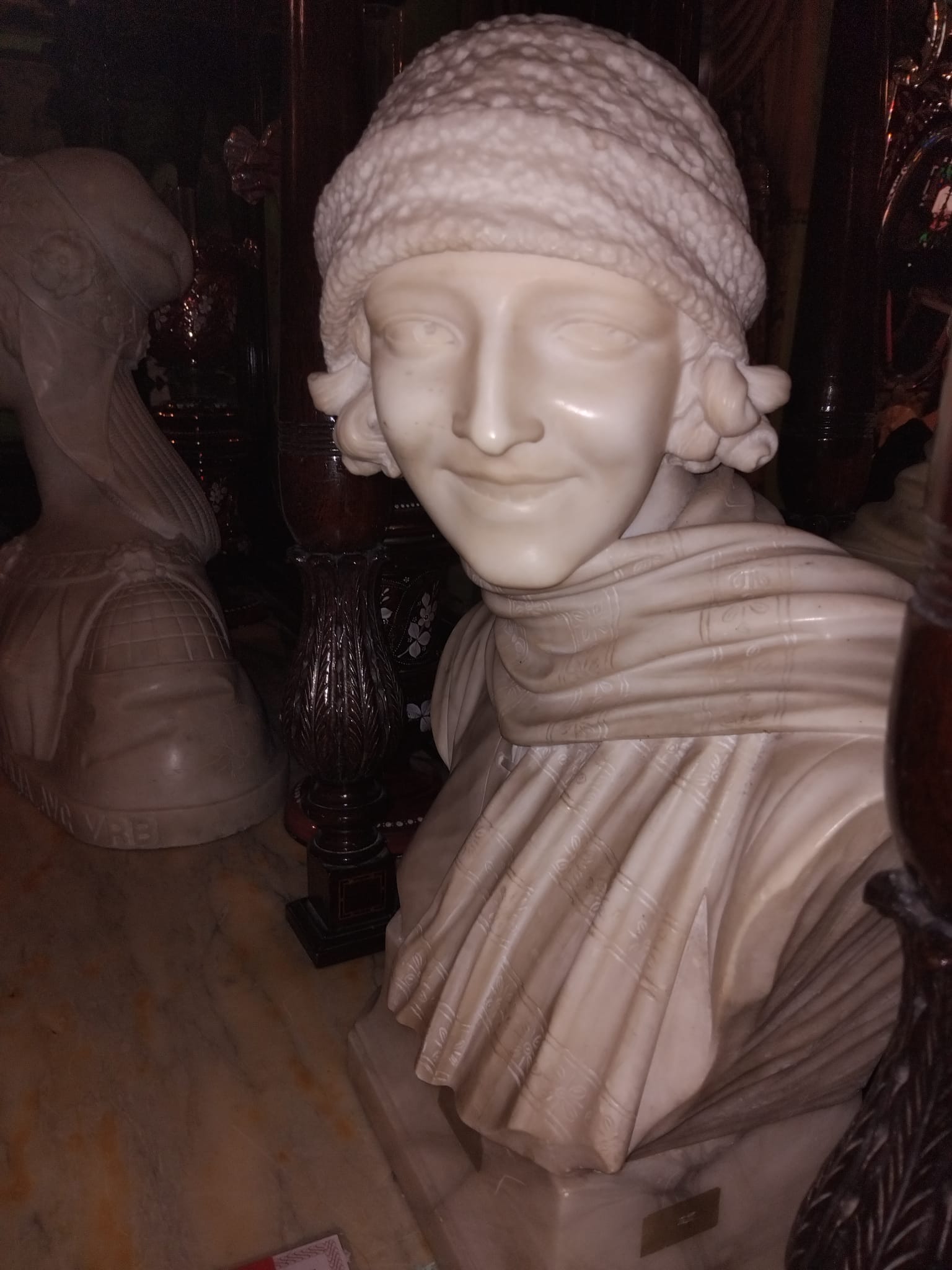
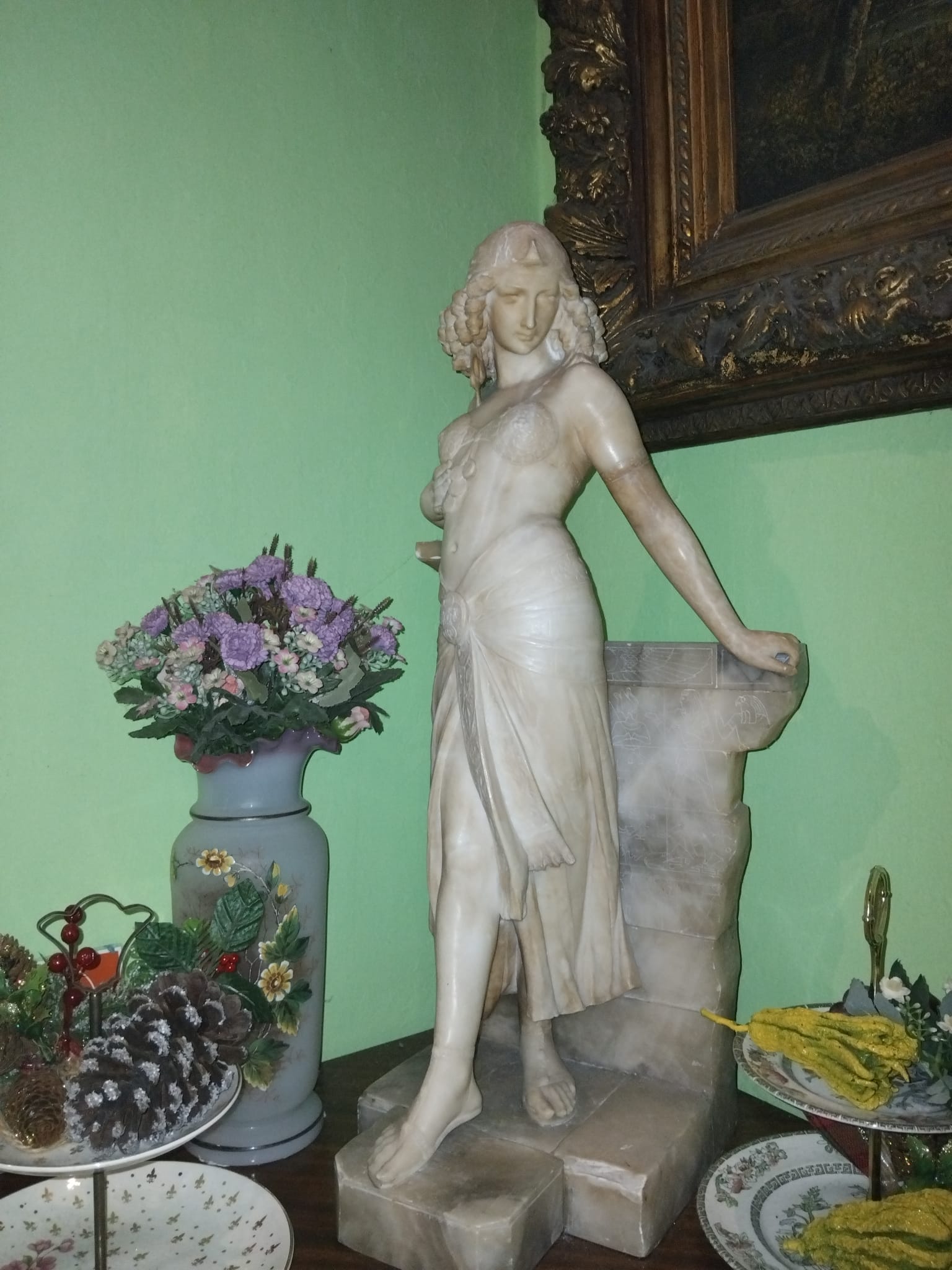
After falling into disrepair, the mansion was meticulously restored in the 1990s by a property developer. Today, it serves as a historic house museum dedicated to preserving Peranakan heritage. It houses a vast collection of over 1,000 antiques, artifacts, and memorabilia, providing visitors with a fascinating glimpse into the customs, traditions, and affluent lifestyle of the Baba Nyonya.
What is the relationship between the mansion and Penang’s UNESCO status?
The Pinang Peranakan Mansion is a key attraction within George Town’s UNESCO World Heritage Site designation, which was awarded in 2008. The mansion is a living testimony to the multi-cultural heritage and fusion of Asian and European influences that define the city’s unique architectural and cultural landscape.
How is the mansion used in media?
The mansion’s stunning architecture and period-accurate interiors have made it a popular filming location. It has been featured in a number of television series and reality shows, including The Little Nyonya, as well as Hollywood films like Crazy Rich Asians.