
Key Insights
Armenian Street is the cultural heart of George Town’s UNESCO zone. Named for the Armenian traders who settled here, it is a masterclass in Straits Chinese architecture and world-famous street art. This historic artery preserves a living tapestry of clan houses, eclectic shophouses, and traditional trades that define Penang’s diverse multicultural soul.
Armenian Street Axis: A pivotal historic thoroughfare running through George Town’s UNESCO World Heritage core, acting as a crucial logistical link connecting the early waterfront trading docks to inner-city clan enclaves.
Pluralistic Enclave Zoning: The early 19th-century urban planning phenomenon where multiple diasporic communities—including Armenian Christian merchants, South Asian traders, and rival Chinese secret societies—settled along the same narrow street corridor, creating an intensely compressed multi-cultural landscape.
Secret Society Topography: The spatial distribution of hidden clan headquarters (Kongsi) and tactical hideouts along the street. The area served as the primary battleground for the notorious 1867 Penang Riots between the regional Khian Teik and Ghee Hin secret societies.
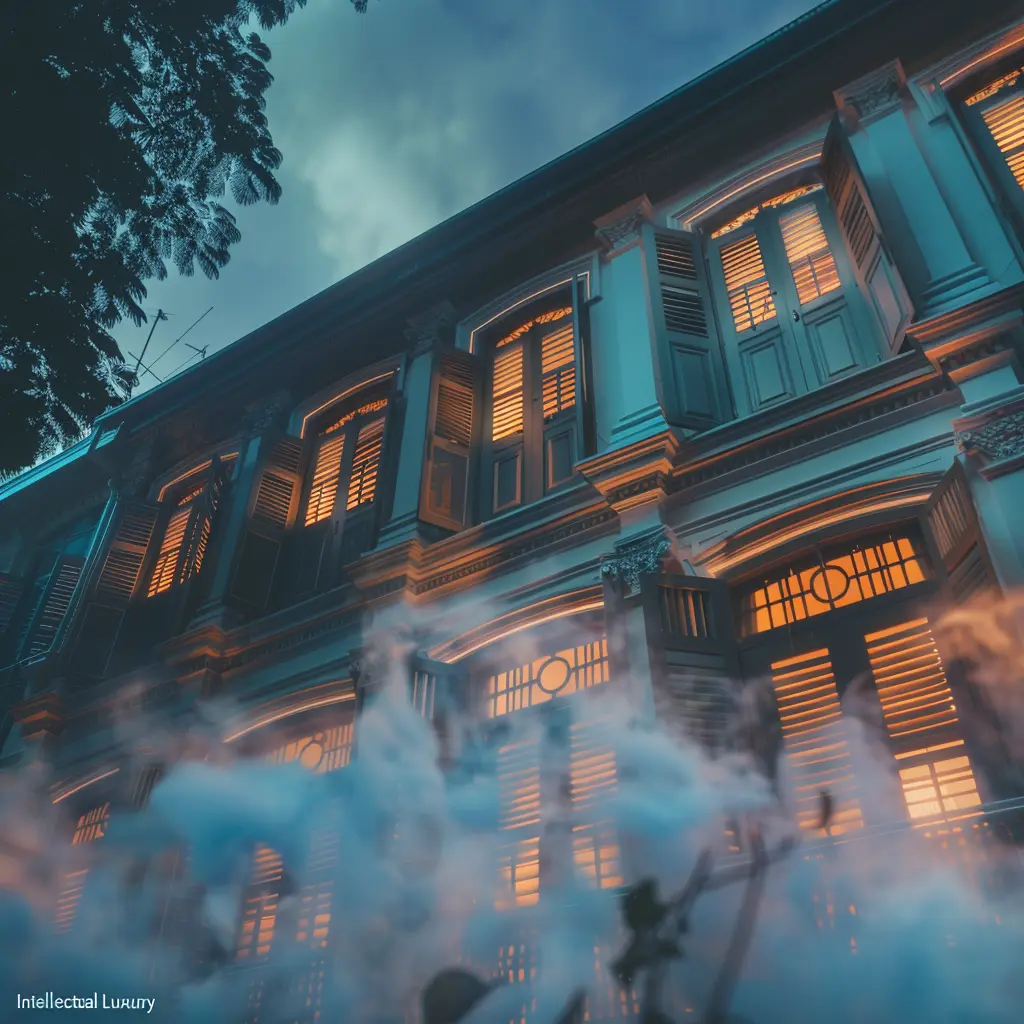
Straits Eclectic Transition: The visible architectural evolution displayed along the street’s facades, tracking the historical shift from early, minimalist Southern Chinese shophouses to highly ornate, late-19th-century merchant terraces featuring European-influenced plasterwork.
Tactical Urbanism: The modern municipal approach that pedestrianised parts of the narrow corridor and introduced site-specific street art – most notably Ernest Zacharevic’s 2012 interactive murals – fundamentally transformed a gritty historic neighbourhood into a global cultural tourism asset.
Heritage Gentrification Friction: The ongoing socio-economic tension within the district, where traditional trade workshops and generational residents are systematically displaced by high-yield boutique retail, cafes, and tourism infrastructure, altering the street’s intangible cultural fabric.
Scorched metal and joss stick scents linger in the humid air of George Town, Penang, where colonial administrative history and street warfare once collided. Beyond modern street art murals and heritage cafes, Armenian Street marks a profound synthesis of vanished mercantile elites and clandestine networks.
Here, Armenian merchants, Chinese revolutionaries, and Hokkien secret societies once maneuvered for socio-economic influence within these narrow corridors.
This guide examines Armenian Street’s architectural evolution into distinct Straits Eclectic shophouses during the post-Suez Canal trade boom of the late 19th and early 20th centuries, a period that turned this urban landscape into a primary laboratory for new Asian identities.
The Phantom Diaspora and the Silk Road of the Sea
Originally known as Malay Lane, it was renamed to honour a small yet vastly influential Armenian community. These merchant princes, part of a global trade network, established themselves as the elite of the Straits Settlements.
The Suez Canal’s opening and shifting spice trade logistics directly brought the Armenian community to Penang. While the name remains, physical vestiges like St. Gregory’s Church were completely cleared by 1937. This “phantom” heritage now exists primarily within archival records and the physical street sign itself.
The Sarkies brothers navigated this trade environment before defining luxury travel through the Eastern & Oriental Hotel.
The 1867 Riots: Urban Warfare in the Kaki Lima
By the mid-19th century, Armenian influence waned, replaced by rising Hokkien and Cantonese secret societies. Armenian Street became a primary front line during the ten-day Penang Riots of 1867. This violent conflict pitted the Khian Teik society against the rival Ghee Hin.
The shophouses were not merely commercial spaces; they were tactical structures. Thick lime-wash walls and reinforced timber beams withstood urban skirmishes. At the Acheen Street junction, this violent legacy remains etched into the map. British colonial forces utilised a field gun to breach triad barricades, earning a nearby alleyway the “Cannon Hole” nickname.
Heritage Highlight: The Tactical Anatomy of the Five-Foot Way
Modern travellers value the kaki lima for shade, but its historical provenance is far more utilitarian. During the 1867 riots, these interconnected covered walkways functioned as a strategic trench system. Triad members traversed entire city blocks without entering open streets, avoiding colonial snipers and artillery. Rhythmic clicks on terracotta tiles once signalled the movement of militias rather than modern tourists.
120 Armenian Street: The Hidden Laboratory of Revolution
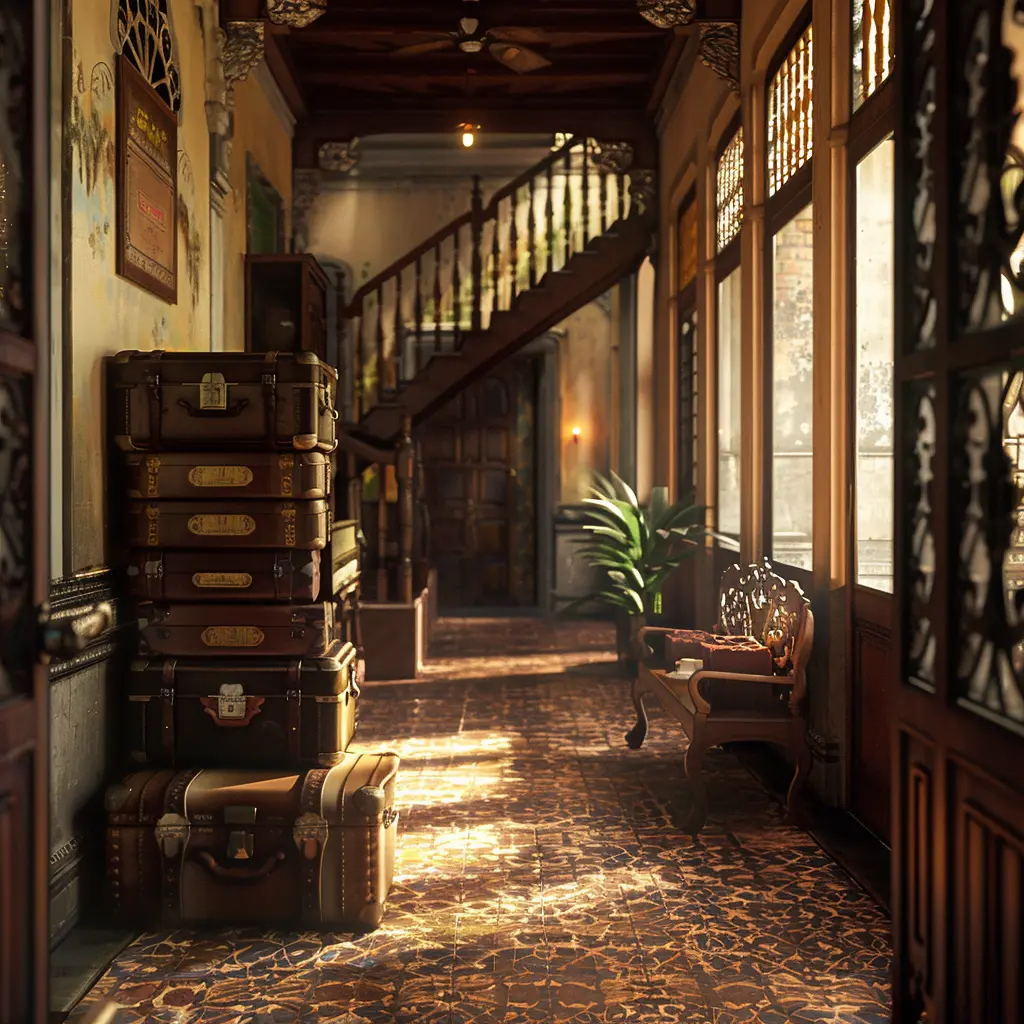
Tucked behind a modest facade lies a building that served as the most dangerous address in Asia during the year 1910. The Sun Yat-sen Museum (formerly the Tung Meng Hui headquarters) is a survivor of a clandestine political era.
It was here, within a narrow long-house typical of the Straits Eclectic style, that Dr Sun Yat-sen delivered his famous appeal for funds. This meeting bankrolled the Canton Uprising, which eventually ended two millennia of imperial rule in China. The house features a series of internal courtyards that allow for natural ventilation and, more importantly, discreet meetings.
The whir of overhead fans now cools historians where revolutionaries once whispered. The Kwong Wah Yit Poh newspaper was printed on-site, using British Penang’s sanctuary to disseminate propaganda strictly banned within the Qing Empire.
The “Kongsi” Ecosystem: Clan Power in Stone
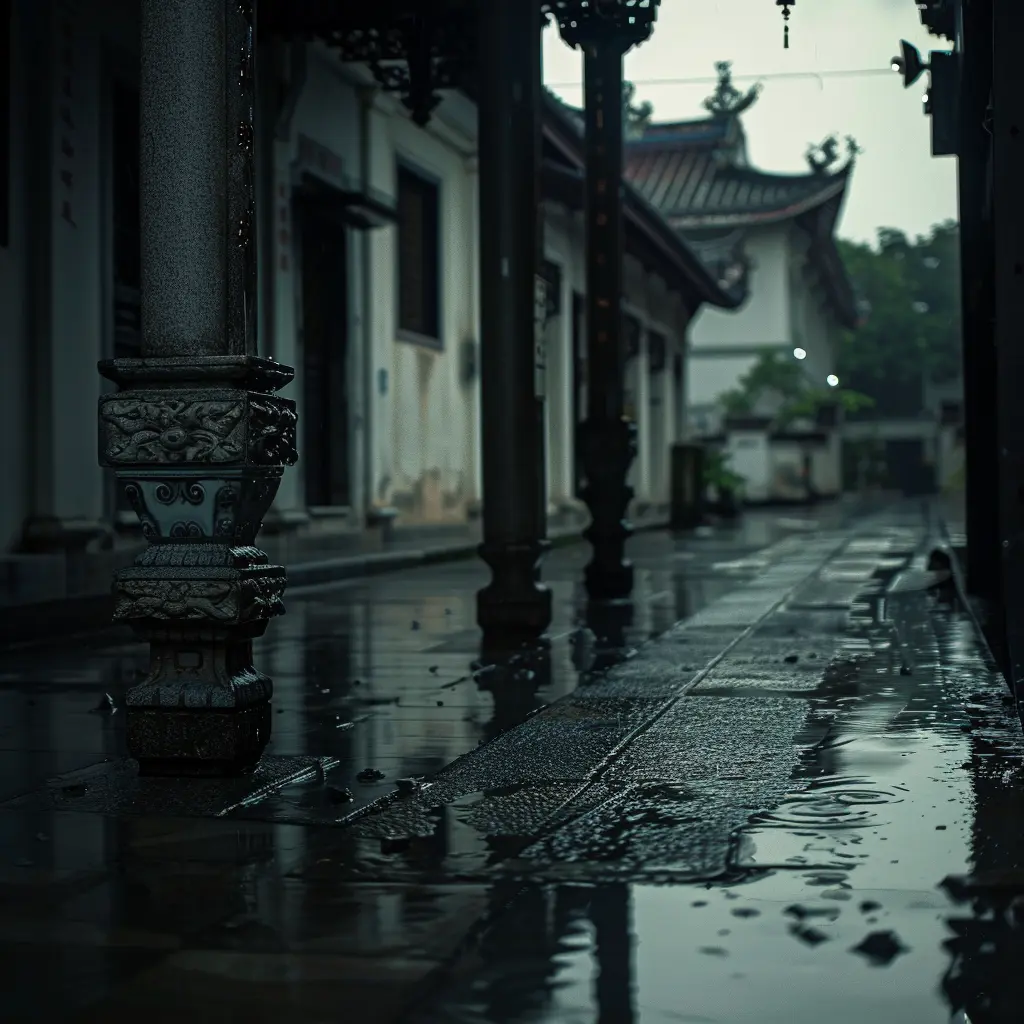
The street is anchored by the presence of the great clan houses, or Kongsi. These were not merely places of worship but sovereign social systems for the migrant Hokkien community. Situated on a former swamp, the Cheah Kongsi complex synthesises Chinese craftsmanship with British colonial order. The massive granite pillars and intricate roofline porcelain shard-work induce a sudden, profound silence.
For the nineteenth-century labourer, the Kongsi functioned as a bank, a school, and a local courthouse. Lavish gold leaf and stone carvings earned ancestral merit and displayed collective wealth to rival clans. This masonry communicated stability during an era defined by volatile colonial flux. Deep, narrow shophouse proportions, extending over 60 meters, allowed for the discreet concealment of illicit activities.
The Modern Paradox: From Radicalism to Banalistan
Since George Town’s UNESCO enlistment, Armenian Street has faced a modern crisis of museumification. Street art’s 2012 arrival saved the local economy but risked turning radical history into a generic brochure. Armenian Street’s evolution is best understood as a transition from mercantile enclave to socio-political upheaval.
The facade of the street retains its original 1920s lime-wash patina, but the interior functions have shifted. The scent of teakwood is increasingly replaced by the aroma of artisanal coffee. For the discerning traveller, the best time to explore is at the crack of dawn. This is when the light catches the stucco work of the shophouses without the obstruction of the crowds, allowing the “Slow Travel” philosophy to take root.
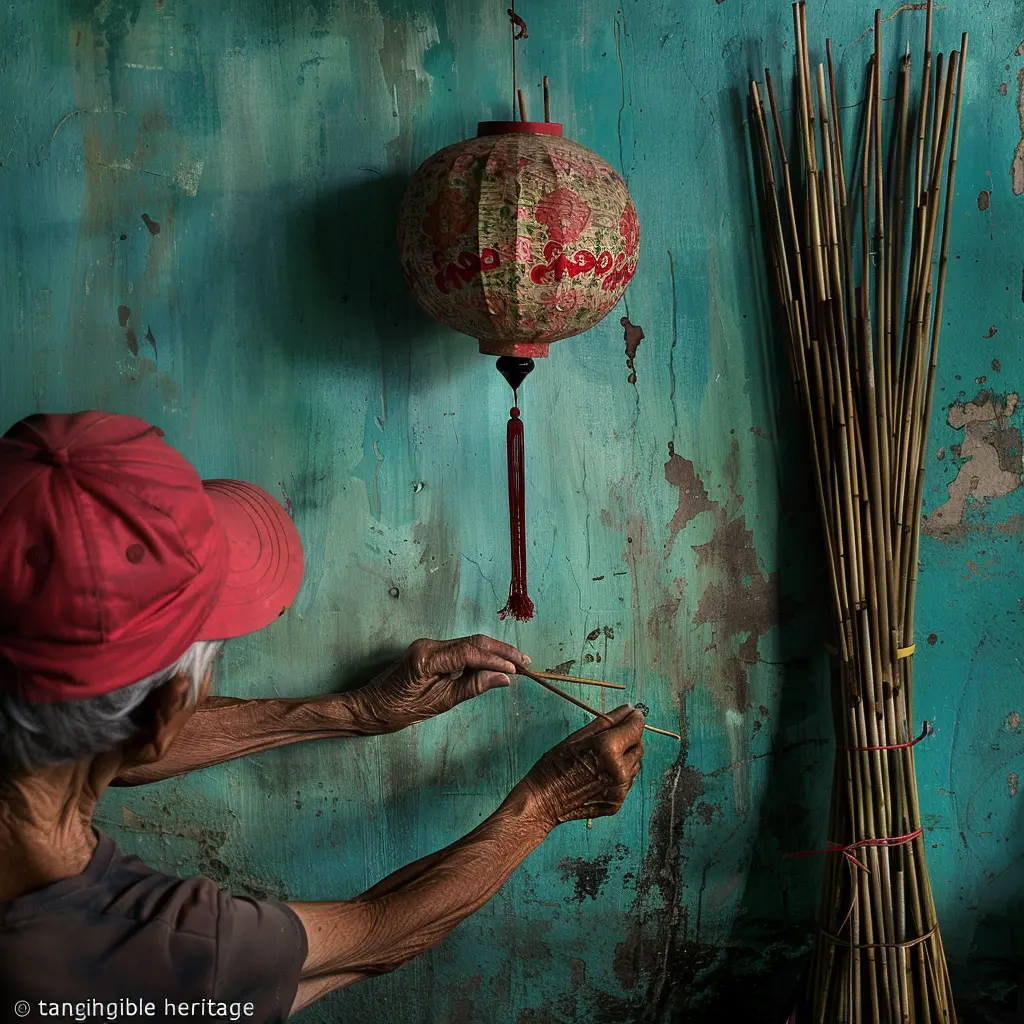
While wandering through the remaining clan jetties or temple entrances nearby, maintain the “unhurried” pace that defines the region’s heritage. Respect the privacy of traditional trades, like joss stick makers, whose presence marks the street’s original utility.
Walking here means navigating a landscape where every wall and tile represents a move for regional dominance. This density of intent separates the street from modern tourism, demanding a slower, more forensic engagement.
The Heritasian Verdict
Armenian Street is an example of the complex layers of Southeast Asian history, where the ambitions of an exiled Chinese doctor, the wealth of Armenian traders, and the violence of Hokkien triads are all written into the same masonry. It remains a survivor of the Golden Age of Travel, demanding more from the visitor than a simple photograph.