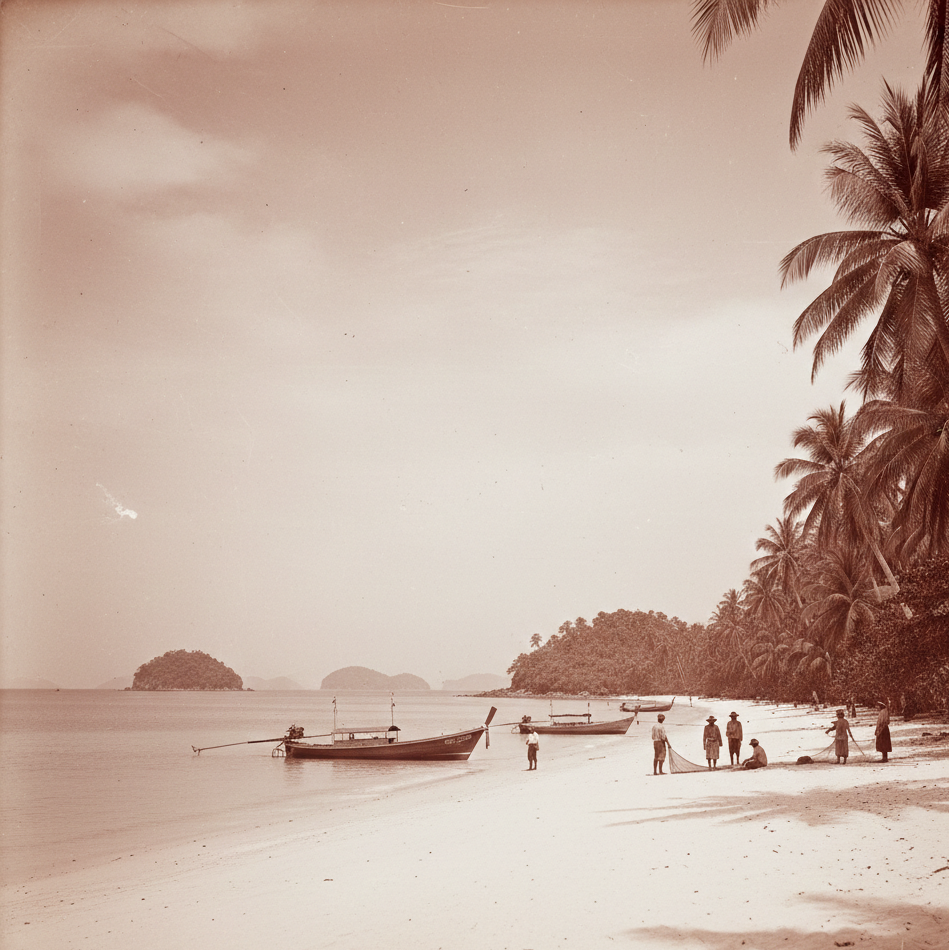

Forget the beach chair. Phuket offers much more than turquoise waters and sun-drenched sands. Phuket Island is no mere tropical resort. It functions as an ancient nexus point, a historic crossroads that connected India, Arabia, China, and Siam for centuries. This is a crucial distinction for the seasoned heritage tourist. The real Phuket thrives in its rich, deep history—a narrative sculpted by maritime trade and astonishing mineral wealth.
Often called the “Pearl of the Andaman,” Phuket holds its true soul inland, specifically on the streets of Phuket Old Town. Here, the island’s unique identity is cast in stone and elaborate plasterwork. This district blends distinctive cultures. The resulting architecture highlights the wealth generated by the early tin-mining boom. For the heritage tourist, Phuket Town is the essential starting point.
You can walk the very streets where Hokkien tin-barons built their empires. Their stately mansions remain today. They stand as magnificent symbols of a bygone era. For the tourist seeking genuine historical immersion, Phuket Old Town provides it. This article unveils that hidden history. It’s a detailed guide to the places and people that truly forged the island. The opportunity is clear: step beyond the modern resorts. Sleep in a lovingly restored heritage shophouse in the old town. Touch the centuries of history with your own hands.
The Crossroads of Ancient Trade: Early History and Resources
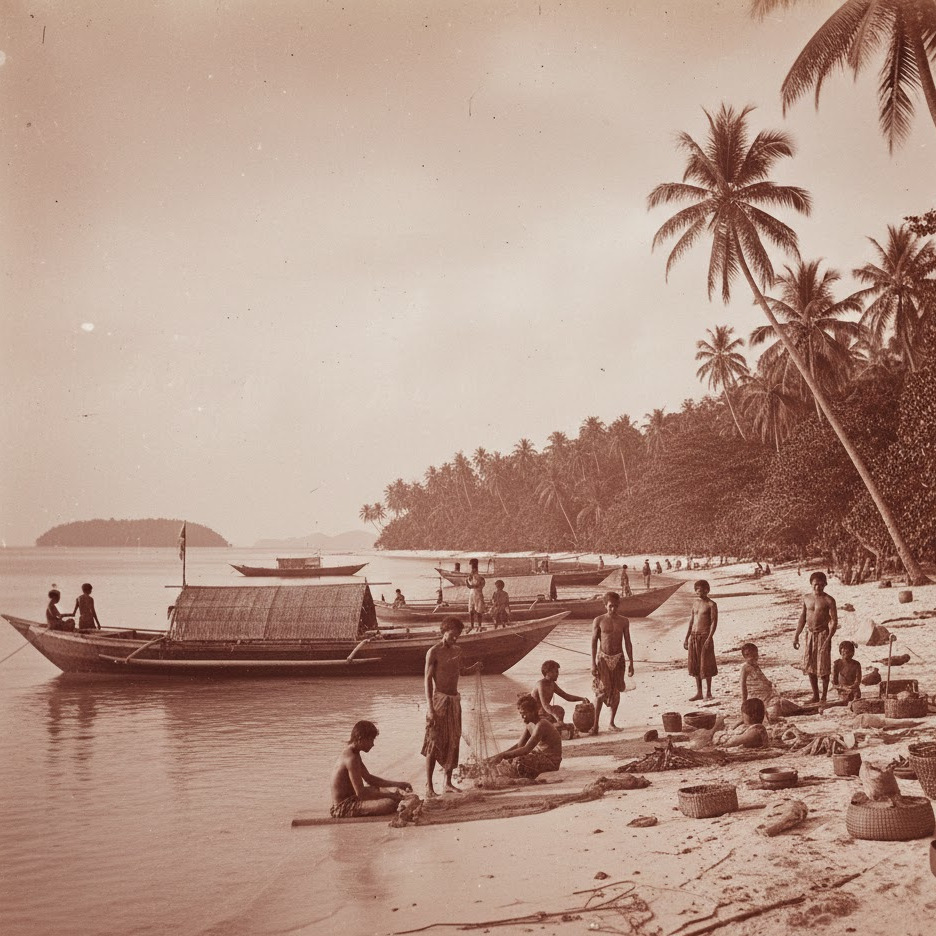
Phuket’s strategic position on the Andaman coast determined its destiny. It lay directly along the lucrative sea lanes linking the Indian Ocean to the South China Sea. Long before European explorers arrived, the island was a vital waypoint. Ships anchored in its sheltered bays. They waited for the favourable monsoon winds to propel them onwards—west toward India or east toward China. Phuket Town evolved because of this maritime traffic.
The island first appeared on ancient mariners’ maps under different names. Junk Ceylon was a corruption of the Malay Tanjung Salang, meaning ‘Cape Salang’. This highlights a strong early Malay influence. The interior was known for its tin deposits. By the 13th century, control of the island, then called Thalang, passed from the Srivijaya maritime empire, based in Sumatra, to the emerging Siamese state of Sukhothai. The island was firmly integrated into the Thai kingdom’s sphere of influence. Understanding this early history is key for the heritage tourist.
Chao Leh
The island’s earliest inhabitants were the nomadic Chao Leh or Sea Gypsies. They lived in the coastal areas. They subsisted on fishing and pearl diving. These people represent an indigenous layer of Phuket’s complex social history and contribute to the island’s unique cultural heritage.
By the 16th century, Thalang was already a major source of the valuable mineral. This drew the attention of the first Europeans—the Portuguese, Dutch, and others—all seeking lucrative trading concessions. The island’s resources proved simply too valuable to ignore.
To understand the genesis of the island’s wealth, the Phuket Mining Museum is an essential stop. Located in Kathu, this meticulously restored site—a former tin mine—details the harsh, industrial reality that underpinned the architectural splendour of the old town. Visitors see the enormous dredges, the machinery, and the life-sized dioramas. These exhibits show exactly how tin was extracted. The wealth generated by these mines allowed the subsequent creation of Phuket Old Town. Old Phuket Town owes its very existence to this powerful, global industry. This is one of the most important historical sites in Phuket.
The Heroic Epoch: The Battle of Thalang and Monuments
The late 18th century brought a terrifying military threat. The island, still primarily known as Thalang, faced a Burmese invasion in 1785. Burmese forces sought to take control of Siam’s west coast, targeting the tin deposits. The situation was dire. The governor had recently died, leaving local defence vulnerable.
A remarkable act of bravery followed. The governor’s widow, Lady Chan, and her sister, Lady Muk, refused to surrender the island. They quickly rallied the remaining forces. They galvanised the civilian population. Their leadership was inspirational. They organised the meagre defences, even employing a brilliant military ruse. Legend recounts how they ordered women to wear men’s clothes and carry fake weapons. This created the illusion of a much larger, more formidable Siamese army. Follow the link for more about the Heroines of Thalang.
Heroines Monument
The clever deception worked. The small, determined force fought relentlessly. They successfully repelled the Burmese siege after a month of fighting. The King of Siam, Rama I, heard of their courageous deeds. He bestowed upon them the titles of Thao Thep Krasattri (Lady Chan) and Thao Sri Sunthon (Lady Muk). Their victory secured the island for Siam and is central to Thai culture.
This event is forever etched into the island’s identity. The Heroines Monument, located on Highway 402 north of Phuket Town, stands as a solemn tribute. It honours their resilience and patriotism. Local people still stop here to pay their respects. For the heritage tourist, a visit to the monument is essential. To gain deeper insight into this conflict, the nearby Thalang National Museum offers a comprehensive historical context. Its permanent exhibitions detail regional archaeology and the war with Burma.
A complementary historical site lies in the heart of the modern town. The ground floor of the historic Thavorn Hotel functions as a unique Heritage Museum. It features a fascinating collection of Phuket memorabilia. Most compelling is the inclusion of a set of ancient swords. Local lore holds that these may have been used during the very Battle of Thalang. This museum brilliantly connects the heroism of the past with the prosperity that followed, shaping Old Phuket Town. Tourists visiting the old town should make time for this unique collection of historical buildings.
The Sino-Portuguese Renaissance: The Tin Boom and Architecture
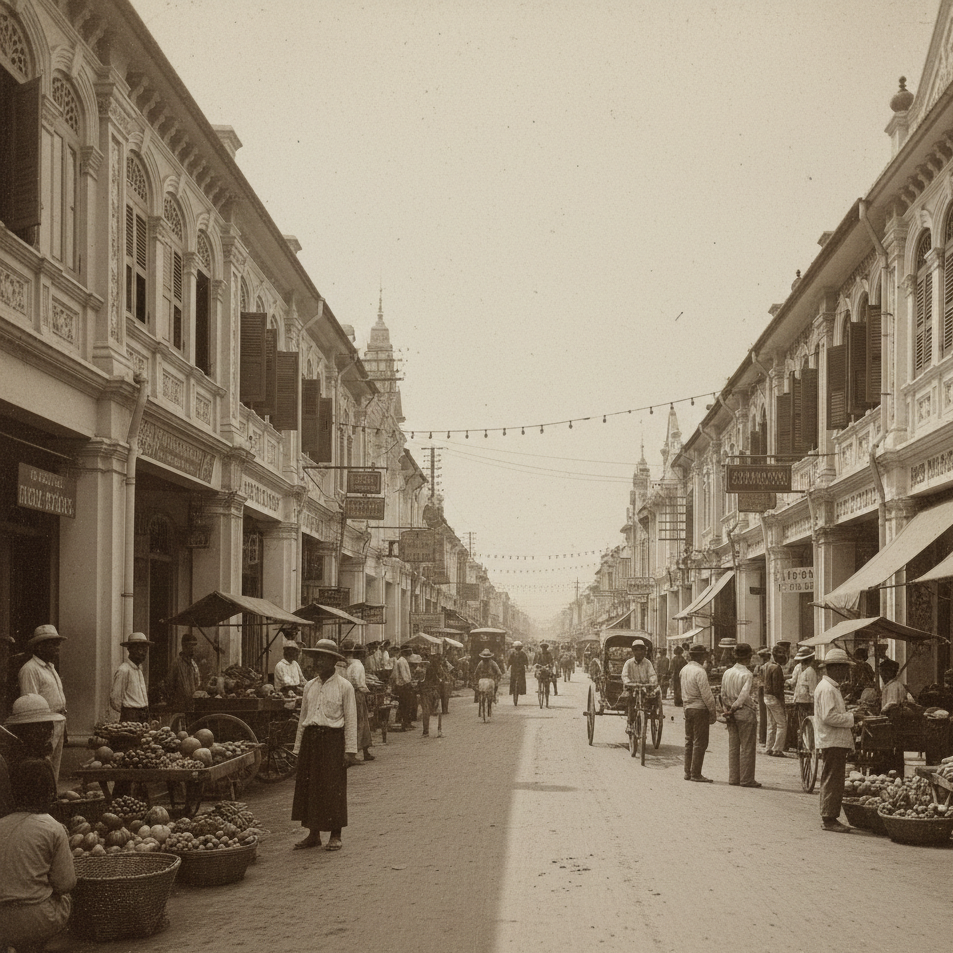
The true golden age of Phuket arrived in the late 19th and early 20th centuries. This period saw the tin mining industry boom into a monumental global enterprise. This spurred a massive wave of immigration from Southern China. Most of the new arrivals were industrious Hokkien men. They came seeking fortune in the rich deposits. Many settled permanently, transforming the island’s social and economic fabric forever.
These industrious immigrants quickly became wealthy tin barons. They used their immense fortunes to commission grand homes and commercial buildings. They wanted architecture that reflected their new status. This desire for opulence coincided with the existing European aesthetic. The resulting architectural fusion is unique to the region: the Sino-Portuguese architecture.
Sino-Portuguese architecture defines Phuket Old Town
It’s a visual feast for the heritage tourist. These buildings blend Chinese practicalities with European colonial aesthetics. Key features are instantly recognisable. Look for the narrow shop-houses with their elegant, arched doorways and louvred shutters. Notice the meticulous, ornate plasterwork. Pastel colours—from ochre yellow to mint green—dominate the facades. The practical “five-foot way” is a crucial element. This covered walkway offered shelter and is a hallmark of the old town.
A self-guided walking tour is the best way to absorb the atmosphere of Phuket Town. Wander down Thalang Road, the main artery of the old town, now famous for its Sunday Walking Street Market. Thalang Road is the ultimate display of conserved shophouses, in a similar way to Armenian Street in Penang. Explore Phang Nga Road and Krabi Road. Be sure to find Soi Romanee. This narrow lane, once a notorious red-light district, is now perfectly restored. Its colourful buildings make it an iconic symbol of the Phuket Old Town revival.
Ang Mor Lao
The pinnacle of this era’s architecture is the grand mansion, known locally as Ang Mor Lao (European-style building). The wealthy tin barons built stunning family homes. Chinpracha House on Krabi Road is a superb example. This elegant Sino-colonial mansion, built in 1903, remains open to the public. Stepping inside is like walking back in time. It provides an intimate glimpse into the lives of Phuket’s elite. Tourists can admire the antique furniture, the enclosed internal courtyard, and the meticulous decorative details of a well-preserved Peranakan home.
Another exceptional site is the Phra Pitak Chinpracha Mansion on Krabi Road. It is now famously home to the Blue Elephant Restaurant. The exterior and grounds offer a magnificent demonstration of the tin era’s power and affluence. This profound architectural legacy stands as the greatest tangible evidence of Old Phuket Town’s forgotten history. Walking along Thalang Road and its surrounding areas gives tourists a genuine sense of history. Many of these structures are now protected historical buildings.
The Cultural Melting Pot: The Baba-Nyonya Identity and Spiritual Sites
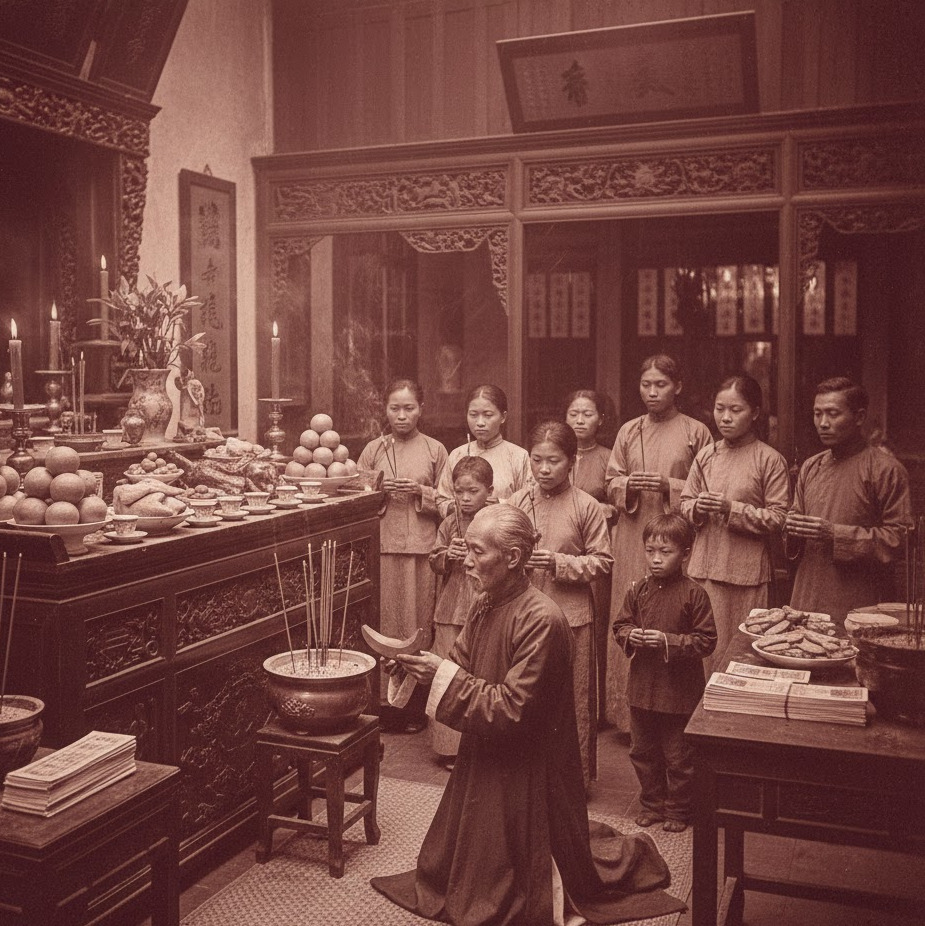
Phuket’s tin-mining era created an entirely new community. The influx of male Hokkien Chinese immigrants led to intermarriage. They married local women—primarily Siamese and Malay. The offspring of these unions formed a distinct and elegant culture. They are known locally as the Baba (for men) and Nyonya (for women), or collectively as Peranakan.
This unique Baba-Nyonya identity is the true heart of Phuket Old Town. It represents a profound cultural heritage synthesis. The Peranakan people maintained many Chinese traditions, yet they adopted local culture, language, and, most famously, cuisine. This fusion is a testament to successful integration into Thai culture.
Thai Hua Museum
To fully understand the immigrant experience, the Thai Hua Museum is a mandatory stop in Phuket Town. Housed in a beautifully preserved Sino-Portuguese building on Krabi Road, this museum was once the first Chinese-language school on the island. Its exhibition rooms clearly detail the history of the Chinese settlers. It explains their crucial contribution to Phuket’s wealth. The museum explores the Chinese family clans and their successful integration. It’s the perfect place to absorb the human story behind the old town architecture.
The spiritual life of the Baba community remains vivid. Chinese shrines dot Phuket Old Town. The Jui Tui Shrine, located on Soi Phutorn, is a major spiritual centre. It is an impressive example of Chinese temple architecture and tradition. This shrine plays a central role in the annual Phuket Vegetarian Festival—a spectacular, often intense event. This ten-day festival is a powerful showcase of the island’s Hokkien heritage. This deep dive into local culture is highly recommended for visiting tourists.
While the majority of historical sites of Phuket are concentrated in the old town, one cannot ignore the island’s primary modern spiritual landmark. Looming large on the hills is the Big Buddha statue. Though contemporary, its prominence reflects the island’s devout Thai culture and provides stunning views that contextualise the entire Phuket Island.
Heritage Hotels: Staying in History on Thalang Road
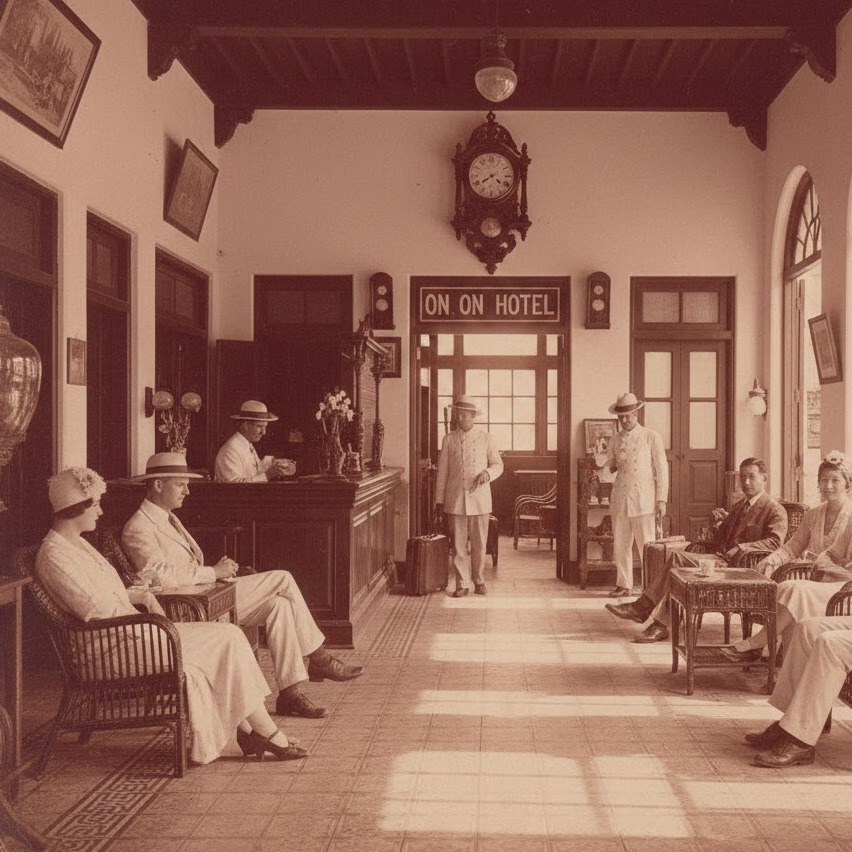
Phuket’s heritage is not merely for viewing; it is for inhabiting. The ultimate way to experience this history is by choosing a heritage hotel. This decision transforms a simple trip into a profound, immersive journey. It is a direct endorsement of the movement to preserve the old town. This revitalisation began with a collective yearning to save the unique Sino-Portuguese streetscapes from neglect. Old shophouses and mansions were meticulously restored. They found a new purpose in high-end hospitality.
You can now sleep where tin miners once haggled. You can wake in the rooms where powerful barons once planned their next venture. This is the ultimate appeal for the heritage tourist. These hotels allow you to physically dwell within the past of Phuket Old Town.
The Memory at On On Hotel
One iconic example is The Memory at On On Hotel. Opened in the 1920s, it is the island’s oldest hotel. It gained global fame after appearing in the movie The Man with the Golden Gun. After a complete, historically sensitive restoration, it now offers stylish, elegant accommodation right near Thalang Road. Staying here means you literally occupy a piece of cinematic and local history.
Casa Blanca Boutique Hotel
Another excellent choice is the Casa Blanca Boutique Hotel. Located on a beautiful corner of the historic area, its design perfectly complements the aesthetic of Phuket Town. It offers an authentic, yet luxurious, base for exploring the old Phuket town network of lanes.
For a true immersion into the life of the tin-barons, seek out Baan Ar-Jor. This 100-year-old mansion, located outside the main Phuket Town area, has been brilliantly restored. It now operates as both a museum and a boutique heritage stay. It offers a tangible experience of the elite Peranakan lifestyle. Tourists find this experience invaluable.
Choosing a heritage stay is a deliberate, high-value choice. It supports the conservation efforts of Phuket Old Town. You are a temporary resident, not just a visitor. You step directly onto the five-foot way of Thalang Road. This profound immersion is the reward for the discerning heritage tourist.
A Heritage Worth Protecting in Old Phuket Town
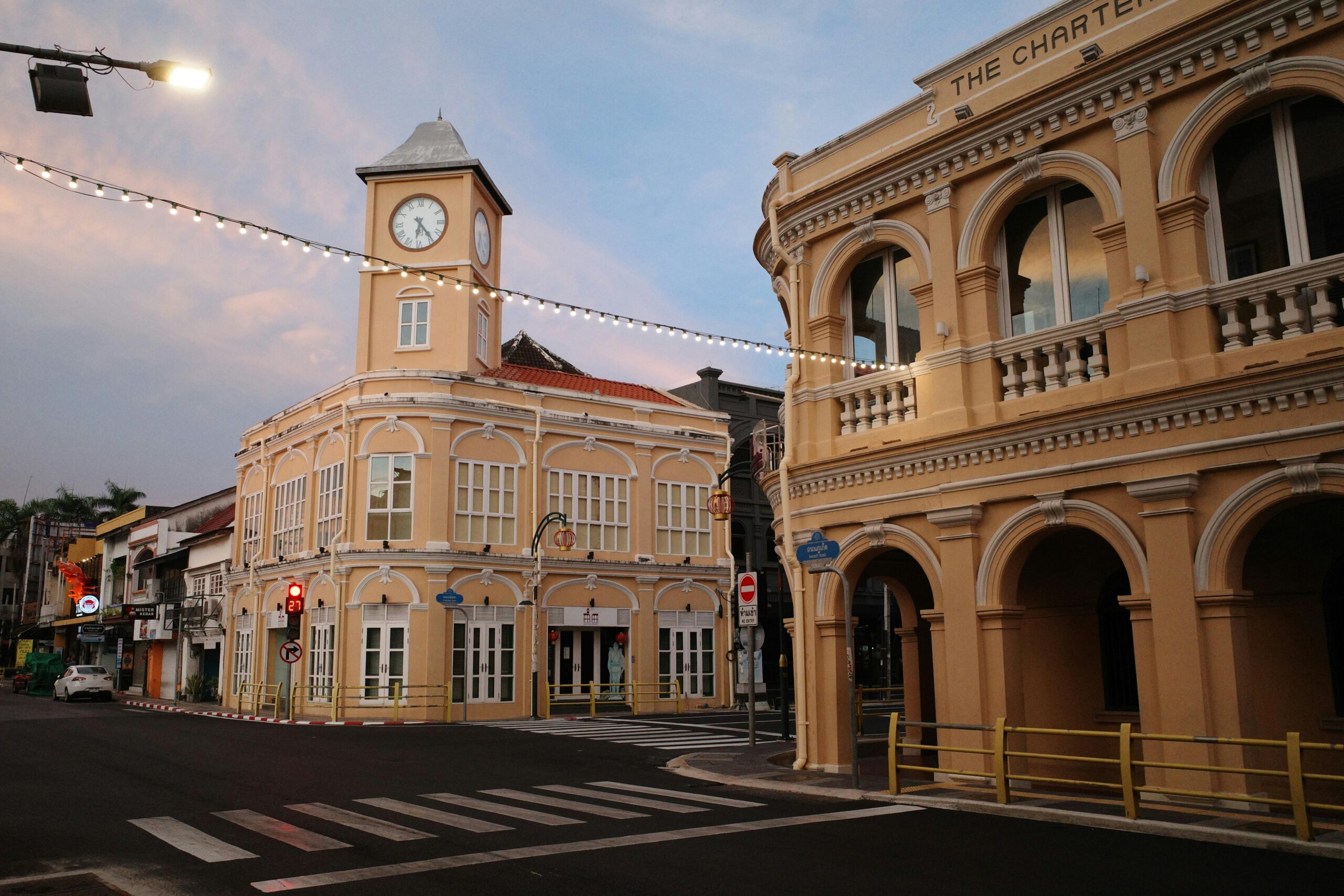
Phuket’s story is a triumphant narrative. It moved from a humble trading post to a heroic defensive stronghold, and finally, to an international tin capital. Today, it stands as a captivating heritage destination. The Sino-Portuguese architecture remains a vibrant canvas. The distinct Baba-Nyonya culture provides a unique historical identity.
The island’s history is found not just in books, but in tangible, visitable sites: the solemnity of the Heroines Monument, the industrial echoes of the Phuket Mining Museum, and the domestic splendour of Chinpracha House. Each location offers a piece of the puzzle. The culmination of this journey is found in the old town. It promises a deep, complex immersion in Southeast Asian history. Its meticulously preserved streets and museums are waiting. Walking down Thalang Road is like time travel for any tourist.
For the heritage tourist, the choice is clear: discover the true soul of the “Pearl of the Andaman.” Visit the Big Buddha for the view, but stay within the rich cultural heritage of Old Phuket Town. Book your stay in one of its treasured heritage hotels in Phuket Town. Experience the enduring legacy of the tin-barons and heroes who built this remarkable Phuket Island.
Historical Sites of Phuket FAQs
What is the main draw for a heritage tourist visiting Phuket, beyond the beaches?
The main draw is Phuket Old Town. This area showcases unique Sino-Portuguese architecture, a rich cultural heritage, and numerous well-preserved historical buildings that tell the story of the island’s tin-mining boom.
Where can I see the best examples of Sino-Portuguese architecture in Phuket?
The best examples are concentrated in Phuket Old Town. Key streets to walk are Thalang Road, Krabi Road, and Soi Romanee, where the colourful shophouses and elaborate facades are beautifully conserved.
How can I experience the history of the tin trade?
The Phuket Mining Museum (in Kathu) provides a comprehensive look at the industry that generated the wealth to build Phuket Town. For a domestic view, visit Chinpracha House, a mansion built by a wealthy tin baron.
What is the Baba-Nyonya culture, and where can tourists learn about it in Phuket?
The Baba-Nyonya (or Peranakan) culture is a unique fusion of Chinese immigrant and local Thai culture. You can learn about this vibrant local culture and its immigrant history at the Thai Hua Museum in Phuket Old Town.
Can I actually stay in one of the historical buildings in Phuket?
Absolutely. Staying in a heritage hotel like The Memory at On On or Casa Blanca allows the tourist to fully immerse themselves in the old town atmosphere, offering a deep connection to the island’s past.