
Key Insights
This strategic audit evaluates Chiang Mai’s official 2026 UNESCO World Heritage nomination, “Chiang Mai, Capital of Lanna.” It highlights the tense balance between modern urban growth and the preservation of the 700-year-old moated core, historic temples, and vulnerable craftsmanship guilds. The city’s success depends on shifting to an active, community-led living heritage model that legally protects ancestral spatial zoning.
For a full glossary of terms used, click here.
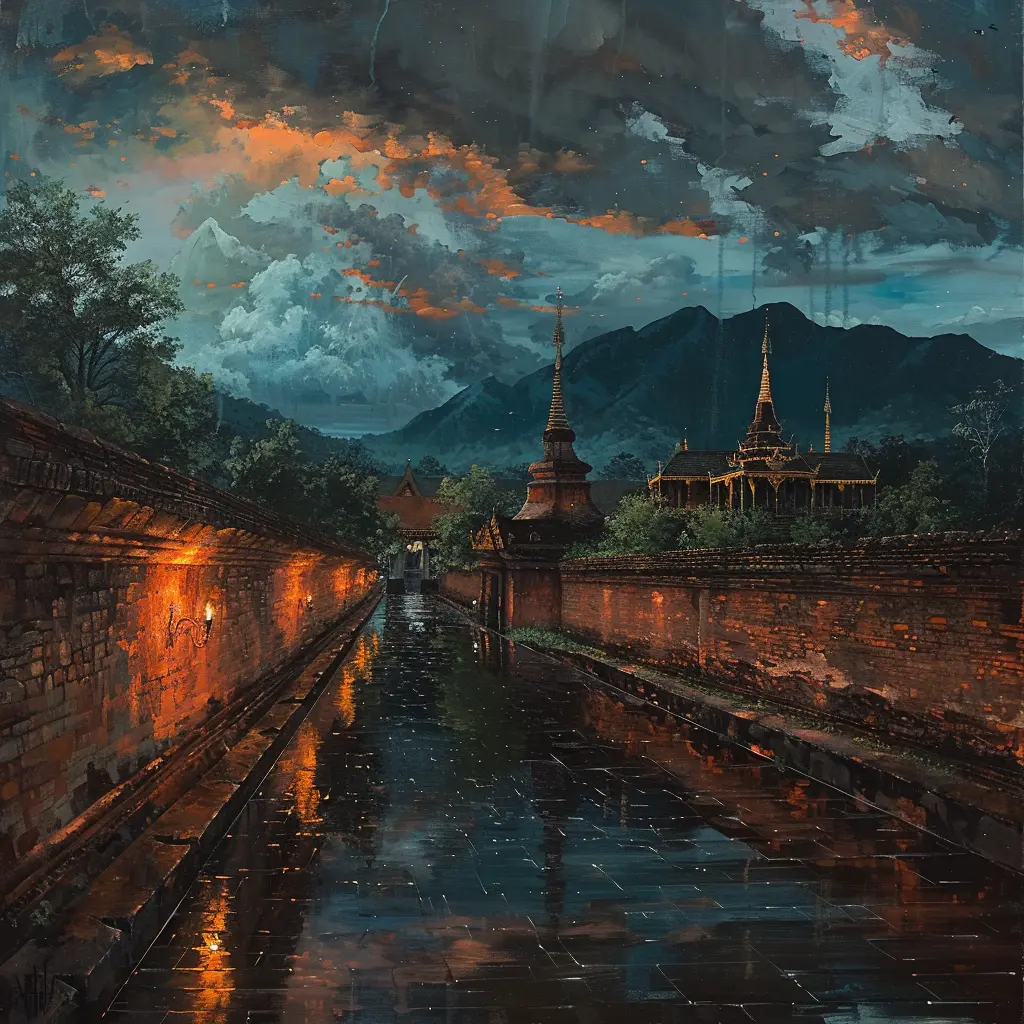
The scent of curing teakwood and damp mountain moss hangs heavy in the morning air along the Ping River. Stand at the base of the massive brick bastions at Tha Phae Gate. You are not looking at a decorative tourist backdrop. You are standing before the physical ruins of a medieval defensive machine.
For the modern traveller, Chiang Mai is frequently marketed as a tranquil escape from Bangkok. Yet, its historic layout tells a completely different story. The city’s square moat and crumbling ramparts are the physical remnants of a wiang. King Mangrai engineered this fortified capital in 1296 to withstand total war.
Born out of a volatile landscape, Chiang Mai served as a sovereign anchor. It stood between the expanding Mongol Yuan dynasty to the north and the militaristic Toungoo Empire to the west. It also balanced the wealthy trading networks of Ayutthaya to the south.
Chiang Mai’s impending 2026 UNESCO World Heritage designation is not a celebration of passive aesthetic charm. It is an architectural record of geopolitical defiance.
Temples, Teak, and the Lanna Creative Spirit
Chiang Mai is far more than just a modern traveller’s hub; it is the living heartbeat of the ancient Lanna Kingdom. To truly appreciate the region’s spiritual depth, a journey up the mountain to the sacred Wat Phra That Doi Suthep is essential, offering sweeping views of the valley below alongside stunning golden architecture. Back down in the city, history buffs can explore the distinct, seven-spired design of Wat Chet Yot, a temple that beautifully captures the architectural genius of the mid-15th century.
This deep sense of heritage isn’t frozen in the past, either. The region’s history is heavily tied to the old timber trades, which you can uncover by exploring the fascinating Northern Thailand Teak Trail. Today, that same spirit of craftsmanship fuels a modern Lanna Creative Renaissance, where local artisans blend centuries-old traditions with contemporary design. If you are lucky enough to visit during the winter, you can see this beautiful intersection of nature, culture, and artistry burst into full bloom at the spectacular Chiang Mai Flower Festival.
The Genesis of the Million Rice Fields: Ngoenyang and the Rise of Mangrai
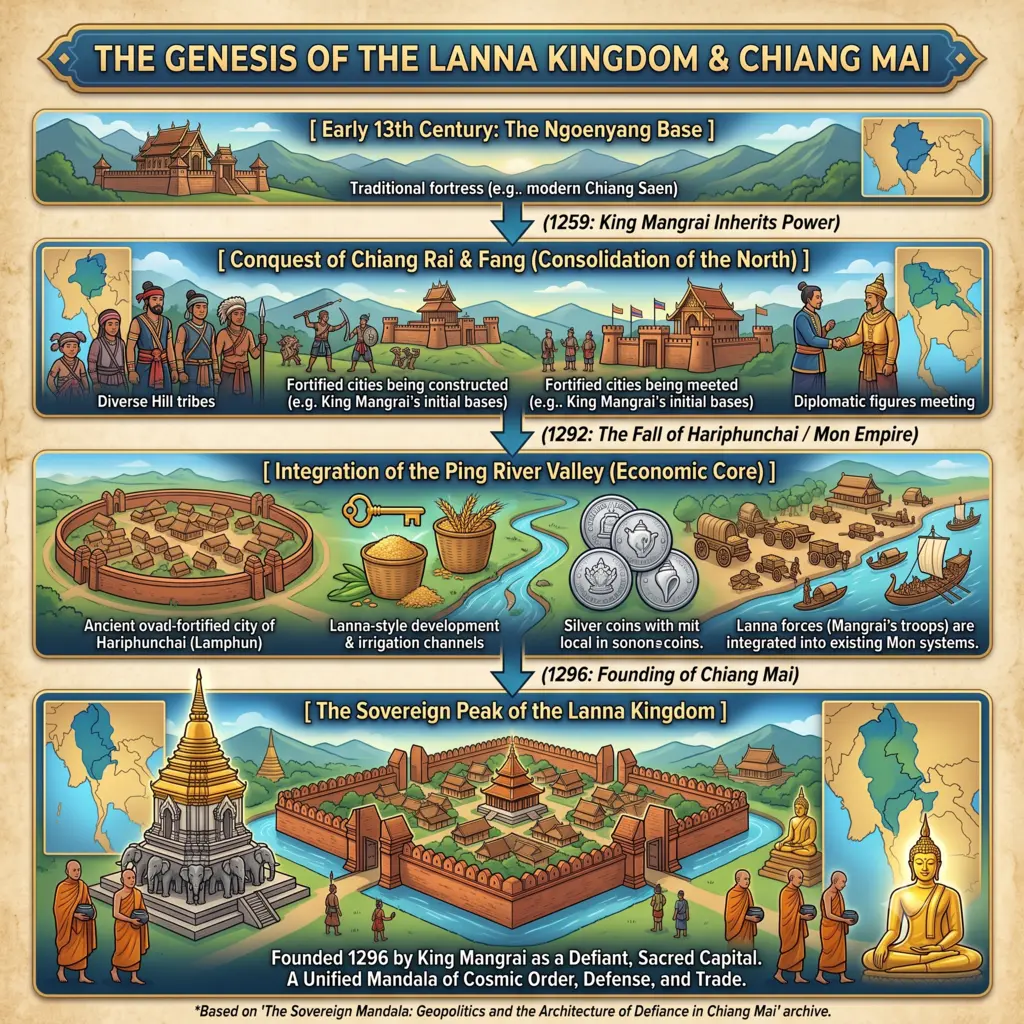
The entity that came to dominate northern Southeast Asia did not emerge in a vacuum in 1296. Its political and cultural lineage began much further north, along the volatile valleys of the Mekong River basin, emerging out of a decentralised landscape of independent mountain principalities known as Mueang.
Before Lanna existed, the dominant power in the northern highlands was the Ngoenyang Kingdom, centred around modern-day Chiang Saen. Founded around the 7th century, Ngoenyang occupied a critical strategic point, controlling trade between the southwestern provinces of China (Yunnan), the Shan States of Burma, and the lowlands of the Chao Phraya basin.
When King Mangrai inherited the throne of Ngoenyang in 1259, he recognised that the fragmented Mueang system left the northern valleys highly vulnerable to the southward expansion of the Mongol Yuan dynasty. Mangrai’s grand strategy was simple yet revolutionary: unify the independent northern principalities into a single, centralised military and economic alliance.
The Geopolitical Masterstroke: The Fall of Hariphunchai
By the late 1280s, Mangrai controlled the northern mountains, but he lacked a true economic engine. The wealthiest territory in the region was the ancient Hariphunchai Kingdom (modern-day Lamphun), a highly sophisticated Mon civilisation that had dominated the lower Ping River valley since the 8th century.
Hariphunchai was a centre of high culture, literate bureaucracy, and orthodox Theravada Buddhism.
It was protected by massive brick fortifications and held a monopoly over the rich trade routes running north from the Gulf of Martaban. Mangrai knew a direct military assault on this heavily fortified city would be costly and uncertain. Instead, he deployed a brilliant, decade-long campaign of political subversion.
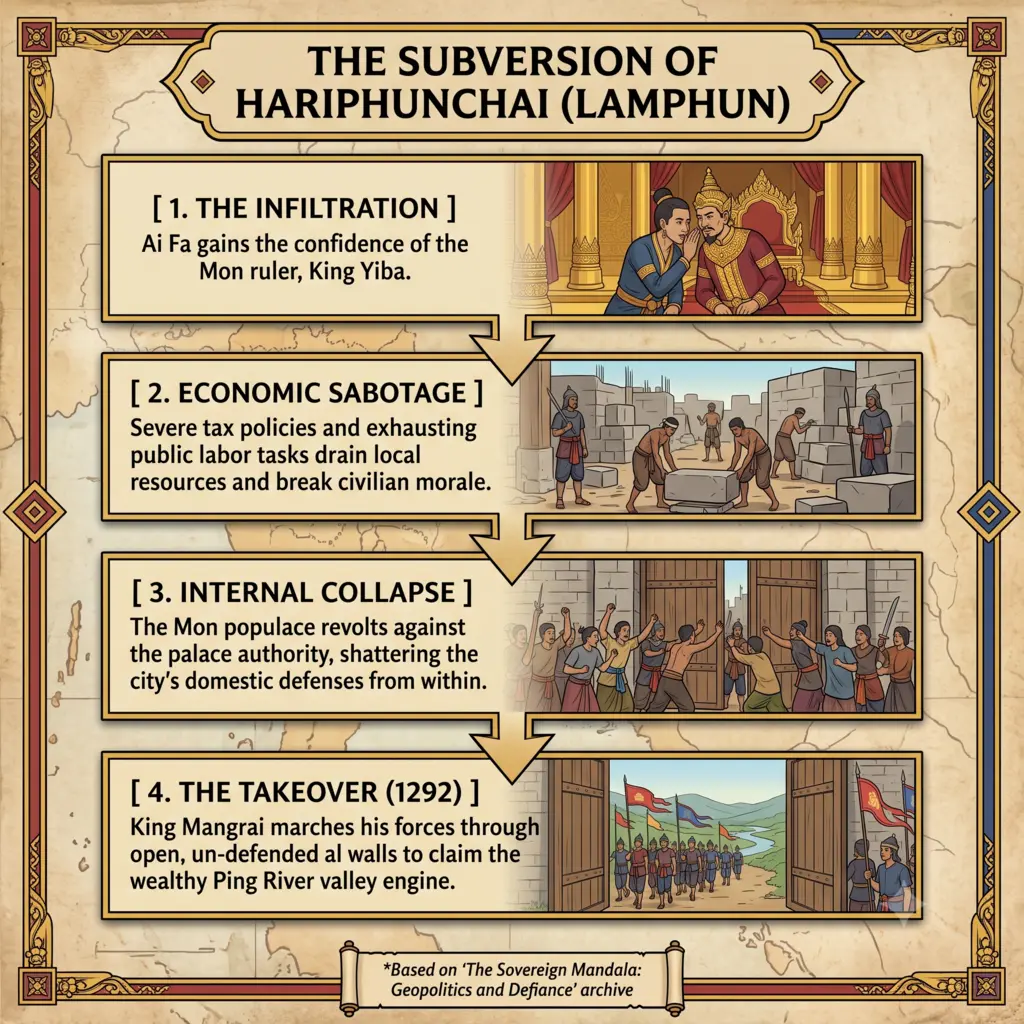
Mangrai sent a trusted agent, Ai Fa, to infiltrate the Hariphunchai court. Over several years, Ai Fa worked his way into the confidence of Hariphunchai’s ruler, King Yiba.
Once in the administration, Ai Fa deliberately implemented heavy taxation policies, forced-labour programs, and unpopular public works projects. This systematically turned the local Mon populace against their own aristocracy, severely undermining the state from within.
In 1292, with internal morale broken and the state administration in chaos, Mangrai marched his armies down the valley. Hariphunchai fell with minimal resistance.
This crucial victory gave Mangrai complete control over the wealthiest agricultural plains of the north and provided the cultural foundations—including the Mon script, architectural styles, and religious lineages—that would form the bedrock of Lanna civilisation.
The Hydro-Demographic Shift: Leaving Wiang Kum Kam
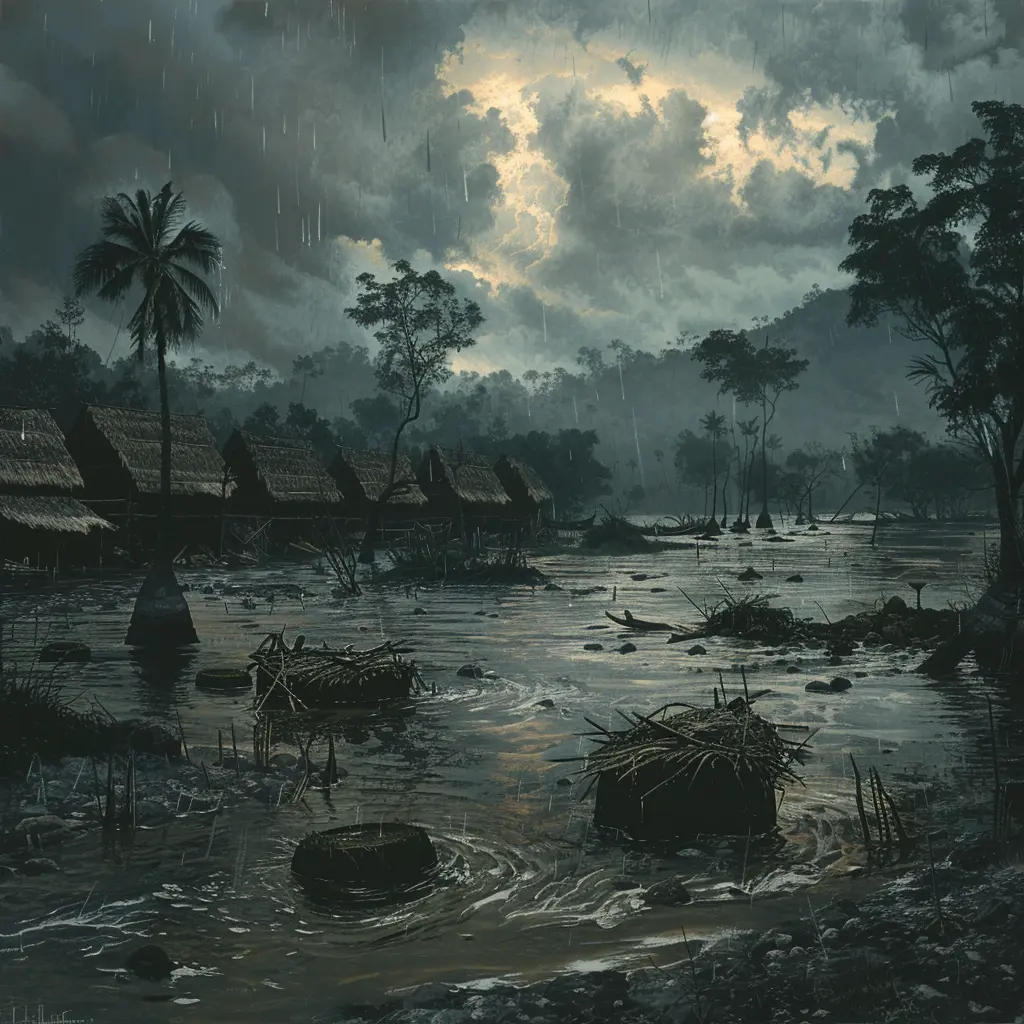
The foundation of Chiang Mai marks a transition from agricultural vulnerability to advanced territorial defence. Before establishing the city, King Mangrai attempted to secure his kingdom on the low-lying plains east of the Ping River at Wiang Kum Kam. The site was chosen to harness the rich alluvial soil for wet-rice cultivation, building an economic engine to sustain his court.
However, the seasonal monsoons exposed a critical vulnerability: the Ping River was prone to unpredictable, catastrophic shifts in its course. The floods repeatedly ruined grain stores and compromised the settlement’s defences.
Rather than relying entirely on mystical portents, Mangrai’s subsequent relocation to an elevated alluvial terrace on the west bank of the river in 1296 was a calculated move dictated by geography and hydrology:
The Architecture of the Lanna Mandala
Lanna urban design combined Hindu-Buddhist cosmology with strategic defensive engineering. The square perimeter of the city wall was modelled on a sacred mandala, representing the cosmos with the Inthakin (City Pillar) acting as the axis mundi at its centre. Every spiritual node, however, served a practical defensive purpose during a conflict
The four cardinal gates served as defensive chokepoints. Built with angled entryways, they broke up cavalry charges and monitored incoming trade caravans.
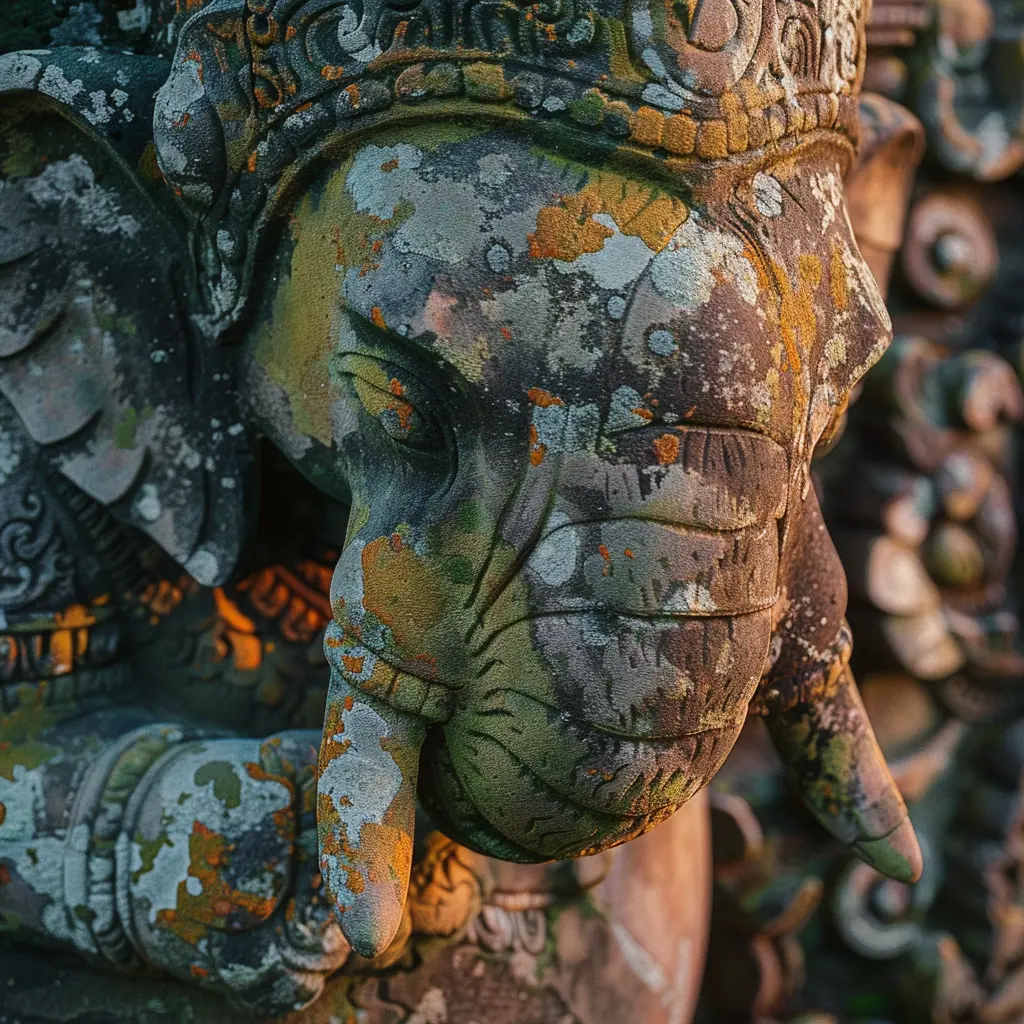
The wide moat and earthen ramparts slowed down siege engines. These defences also prevented attackers from mining under the brick walls. This strategic design is clearly visible at Wat Chiang Man, the inaugural royal temple Mangrai established within the walls.
The Dynamic Matrix: Kinship, Conflict, and the Lanna-Siamese Divergence
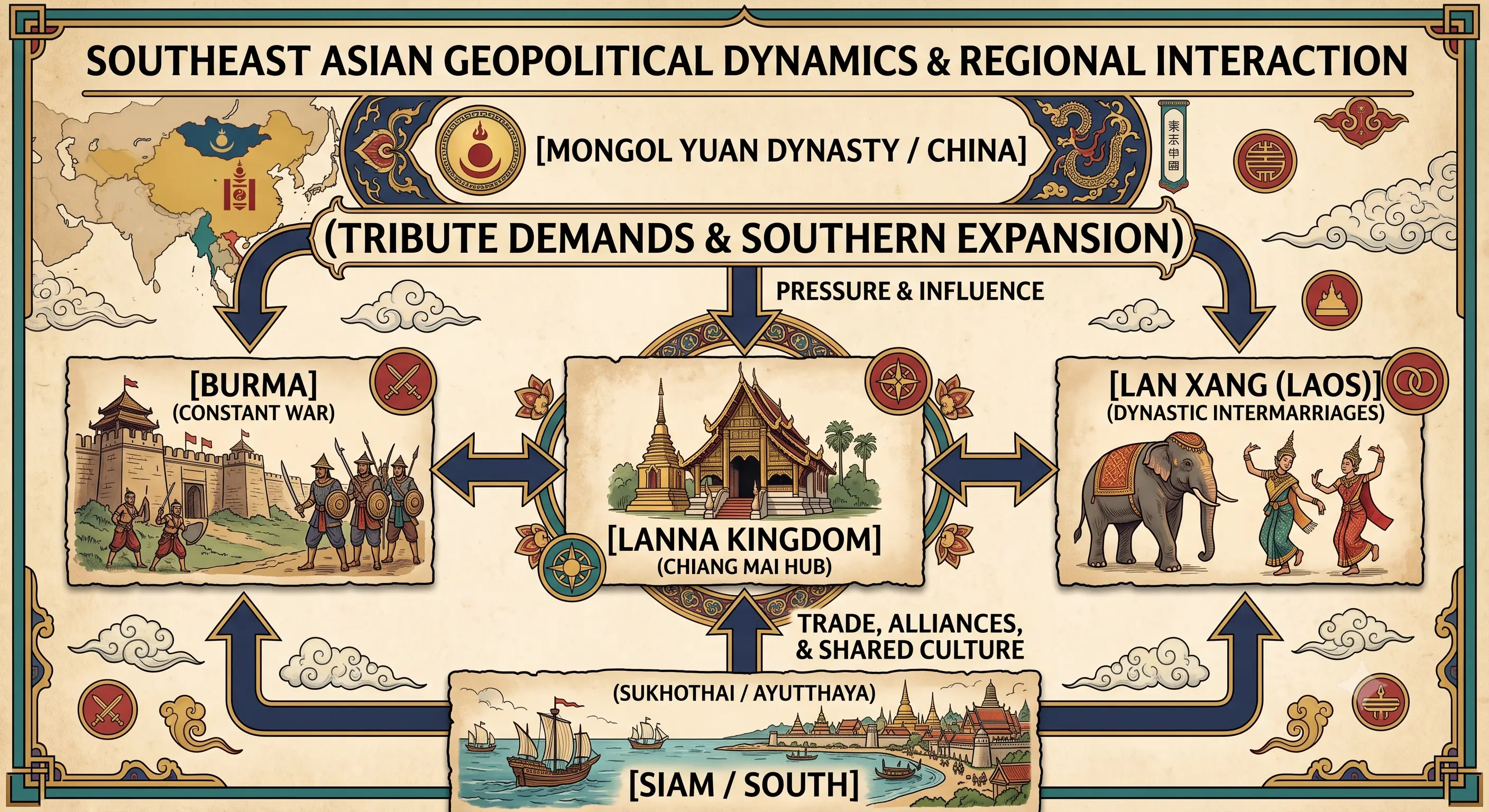
To look at Chiang Mai’s 1296 mandala layout is to see a snapshot of a kingdom defined by its neighbours. The Lanna Kingdom was not a closed valley; it was a highly connected, sovereign political space that maintained complex relationships with adjacent powers.
Lanna diplomacy relied heavily on the Mandala political model, where power radiated from a central hub rather than being defined by hard, fixed borders. Security depended on a web of shifting alliances:
The Golden Age of Tilokarat
If Mangrai was the architect who founded the kingdom, King Tilokarat (reigned 1441–1487) was the ruler who elevated Lanna to its absolute historical and cultural peak. Under his administration, Chiang Mai became the undisputed capital of a sophisticated, highly organised regional empire.
1. Military Dominance
Tilokarat was a formidable military strategist. He decisively expanded Lanna’s borders, conquering the powerful eastern principalities of Nan and Phrae. His most significant achievement was successfully repelling multiple northern invasions.
The wealthy southern empire of Ayutthaya launched these attacks under King Borommatrailokanat. By defeating them, he secured Lanna’s status as a completely sovereign northern power.
2. Spiritual Patronage
Tilokarat used religion as a key political tool to unify his diverse territories. He formally adopted the Sihinga sect of Theravada Buddhism (a strict, scholarly lineage imported from Sri Lanka).
In 1477, he hosted the Eighth World Buddhist Council at Wat Chet Yot in Chiang Mai to clarify and standardise the Pali Canon—an event that firmly established Chiang Mai as a leading centre of Buddhist scholarship across Southeast Asia.
3. Intellectual & Artistic Renaissance
During this era, the distinct Lanna identity crystallised. Scholars flourished, producing complex historical texts, literature, and legal codes written in the Tai Tham script.
The arts saw an incredible boom during this period. Craftsmen created massive, beautifully moulded bronze Buddha images. They also produced sophisticated stucco work. This artistry combined Mon, Sukhothai, and local northern styles into a unique aesthetic.
The Anatomy of the Lanna Collapse
The fall of the Lanna Kingdom highlights the classic structural weaknesses of the Mueang system when faced with larger, highly centralised empires. The golden age under Tilokarat quickly gave way to internal instability, structural decay, and shifting regional alignments.
In 1558, the energetic King Bayinnaung of Burma’s Toungoo Dynasty marched his forces into the northern valleys. Weakened by decades of political infighting and economic strain, Chiang Mai surrendered after a brief siege. The independent Lanna Kingdom collapsed, transforming into a strategic northern outpost for the Burmese Empire for the next 216 years.
From Sovereign Mandala to Thai Province: The Modern Annexation
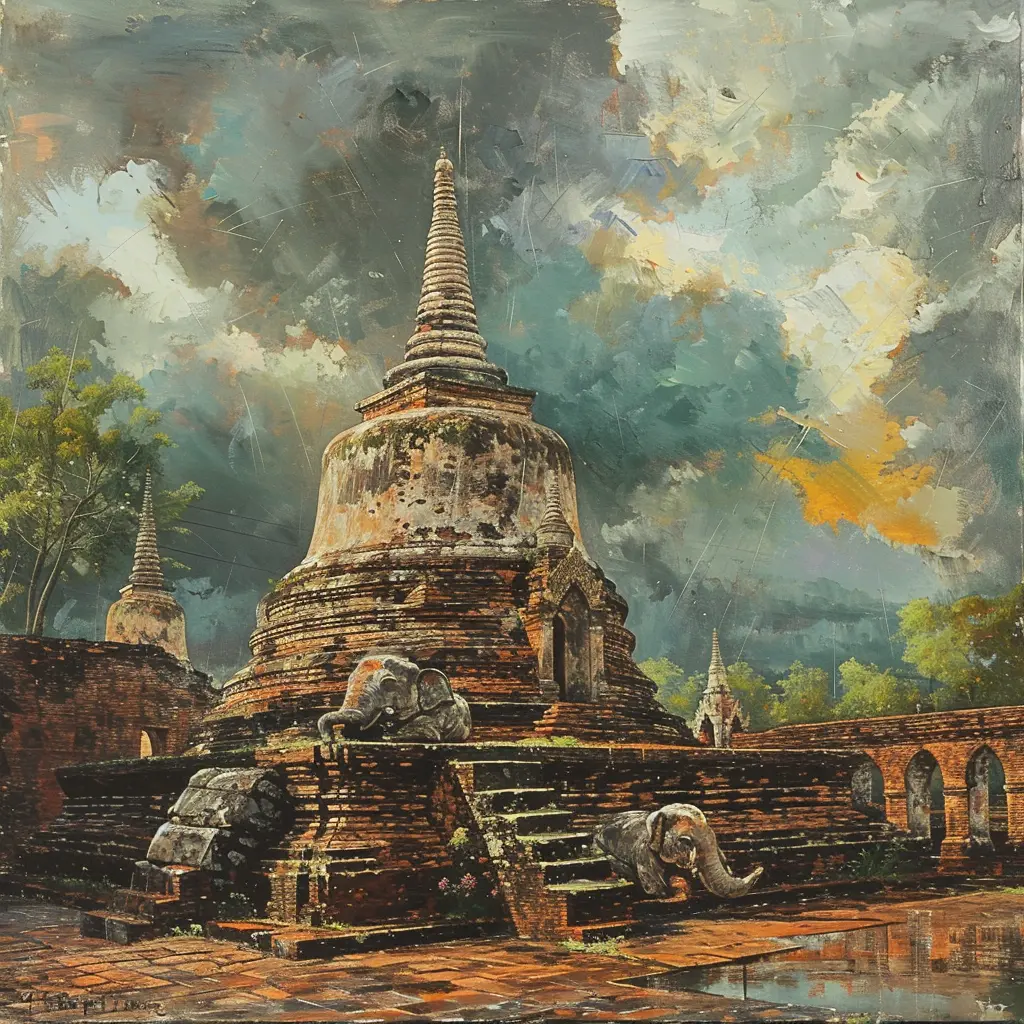
Chiang Mai’s path into modern Thailand was a slow, deliberate transition from an independent kingdom to a tributary state, and finally to a completely integrated province.
The process began in 1774 when Lanna Prince Chao Kavila joined forces with Bangkok to drive out the Burmese. While this freed the north from Burmese rule, it placed Chiang Mai under the political influence of the Siamese court. For the next century, Chiang Mai operated as a tributary state, sending ritual gold and silver trees to Bangkok while retaining its own local rulers, laws, and tax systems.
The definitive shift occurred in the late 19th century under King Chulalongkorn (Rama V). Facing British colonial expansion in neighbouring Burma and Malaya, Bangkok moved to secure its borders. In 1892, the Siamese court introduced the Monthon administrative system, replacing local northern lords with centralised bureaucrats sent directly from Bangkok.
The physical integration followed quickly. The northern railway line reached Chiang Mai in 1921, ending its geographical isolation and linking the valley directly to Bangkok’s economy. The final step occurred in 1939, when the country was renamed from Siam to Thailand, formally absorbing the historic Lanna Kingdom into a centralised nation-state.
Material Contrasts: Differentiating Lanna from Siamese Heritage
The architectural differences between northern Lanna heritage and central Siamese style highlight two very different cultural identities.
1. Wood vs. Masonry
Classical Lanna architecture is defined by its extensive use of heavy timber. Northern builders used massive teak pillars and dark hardwoods, creating low-slung structures that felt grounded in the mountain landscape. Central Siamese architecture, by contrast, relied much more on white-plastered brick masonry, whitewashed walls, and airy, vertical spaces designed to catch river breezes.
2. The Roofline
Lanna roofs feature low, heavy, sweeping layers that drop close to the ground to shield the interior from heavy mountain monsoons. The gables are often topped with the Kalae—an iconic X-shaped carved wooden ornament that extends past the roof peak, thought to represent stylised water buffalo horns or bird wings. Siamese roofs are much more vertical, featuring steep gables decorated with delicate, flame-like finials pointing toward the sky.
3. Spatial Openness
A traditional Lanna assembly hall was originally built as an open-sided wooden structure. This design allowed natural light and mountain air to circulate freely. Conversely, Siamese ordination halls were solid, enclosed brick boxes. These buildings featured small, high windows. This architecture created a clear, formal boundary between the sacred interior and the outside world.
Heritage Highlight: The Viharn Luang of Wat Phra Singh
The Rhythms of Kham Mueang: The Northern Dialect
The distinct northern identity lives on through its language, Kham Mueang. This speech system reflects the region’s historic independence. Kham Mueang is a distinct Tai language branch, not a mere accent or regional slang. It features its own classic script, Tai Tham. Monks traditionally used this Dhamma script to write sacred Buddhist texts on palm-leaf manuscripts.
For the visitor, the difference is instantly noticeable in the rhythm of daily life. Central Thai is characterised by its sharp, distinct tones and faster pace. Kham Mueang uses an elongated, melodic tone structure, with softer consonants and unique vocabulary that shifts how people interact:
The Anthropology of the Lanna Table
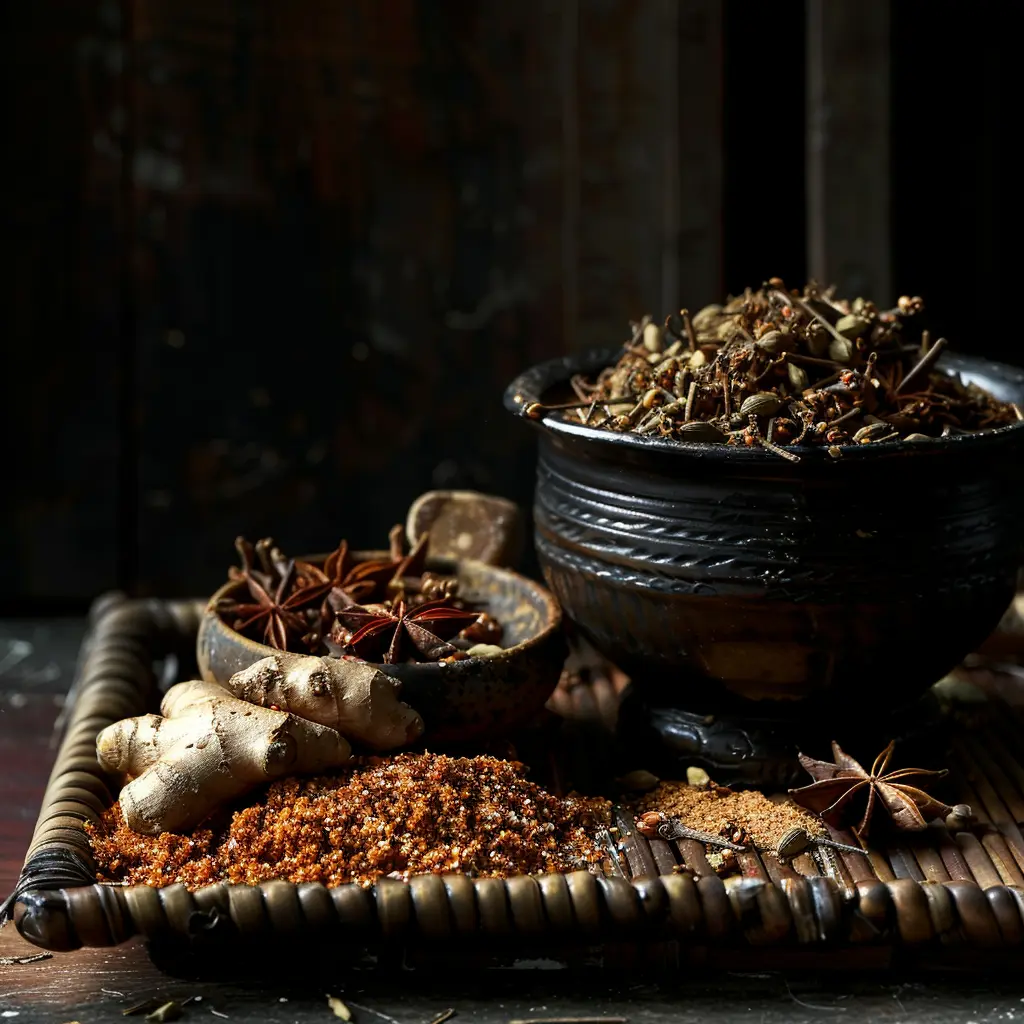
Northern Thai flavours are rooted in local geography and historic trade connections. The rugged highlands made cultivating coastal coconut palms difficult. Therefore, traditional Lanna cooking developed without the heavy coconut milk found in southern dishes. Instead, the northern kitchen focused on fermentation, forest foraging, and overland trade networks.
The classic Gaeng Hang Lay serves as a delicious historical record. This pork belly curry lacks southern coconut bases and fresh lemongrass. Instead, it relies on dried ginger, sour tamarind, and a rich spice blend. Chin Haw caravans and Burmese merchants carried these ingredients along overland trade routes.
Similarly, the traditional Khantoke dinner was a carefully organised dining ritual. The low, circular tray set clear rules for where people sat based on social status, reinforcing community ties and family hierarchies within the fortified walls of the wiang.
Practical Insights for the Discerning Traveller
To truly discover Chiang Mai, one must move past standard sightseeing tours to examine the fine details of its surviving architecture and culture.
Glossary of Terms
Lanna (ล้านนา): Literally translating to “Kingdom of a Million Rice Fields.” It refers to the historical, sovereign northern Thai empire that dominated the highlands from the 13th to the 18th centuries. It featured a distinct cultural ecosystem entirely separate from the southern Siamese kingdoms, characterised by its own laws, artistic styles, and writing systems.
Wiang (เวียง): A specific architectural and urban planning term denoting a heavily fortified town or walled city centre. In Chiang Mai’s context, the wiang refers to the square inner city grid enclosed by defensive ramparts and deep water moats.
Mueang (เมือง): A traditional, fluid system of political organisation across northern Southeast Asia. A mueang is a semi-autonomous principality or city-state nestled within a river valley, typically ruled by a local chieftain (chao) who paid tribute to a larger centralised power.
Hariphunchai (หริภุญชัย): An ancient, highly sophisticated Mon kingdom centred around modern-day Lamphun. Existing from the 8th century until its strategic subversion and annexation by King Mangrai in 1292, it served as the primary source of high culture, literate bureaucracy, and Theravada Buddhism for the emerging Lanna empire.
Mandala System: A political model prevalent in historical Southeast Asia where power was fluid and concentric rather than defined by hard, fixed geographical borders. Authority radiated outward from a central king, with subordinate mueangs drifting between alliances based on military dominance and royal intermarriage.
Kham Mueang (คำเมือง): Literally “language of the principality.” It is the distinct Northern Thai language spoken across the former territories of Lanna, utilising its own elegant script (Tai Tham) and holding a different tonal structure than Central Thai.
Viharn (วิหาร): The primary assembly hall within a Thai Buddhist temple complex (wat). Unlike the ubosot (ordination hall), the viharn is open to the public for lay sermons, prayers, and community gatherings, and in Lanna architecture, it is characterised by sweeping, low-slung tiered wooden rooflines.
Chedi Chang Lom (เจดีย์ช้างล้อม): An architectural style of Buddhist stupa featuring a square base surrounded by life-sized elephant buttresses acting as spiritual guardians. Famously preserved at Chiang Mai’s oldest temple, Wat Chiang Man, it represents a deep blend of Sri Lankan Sinhalese and Mon design influences.