
Key Insights
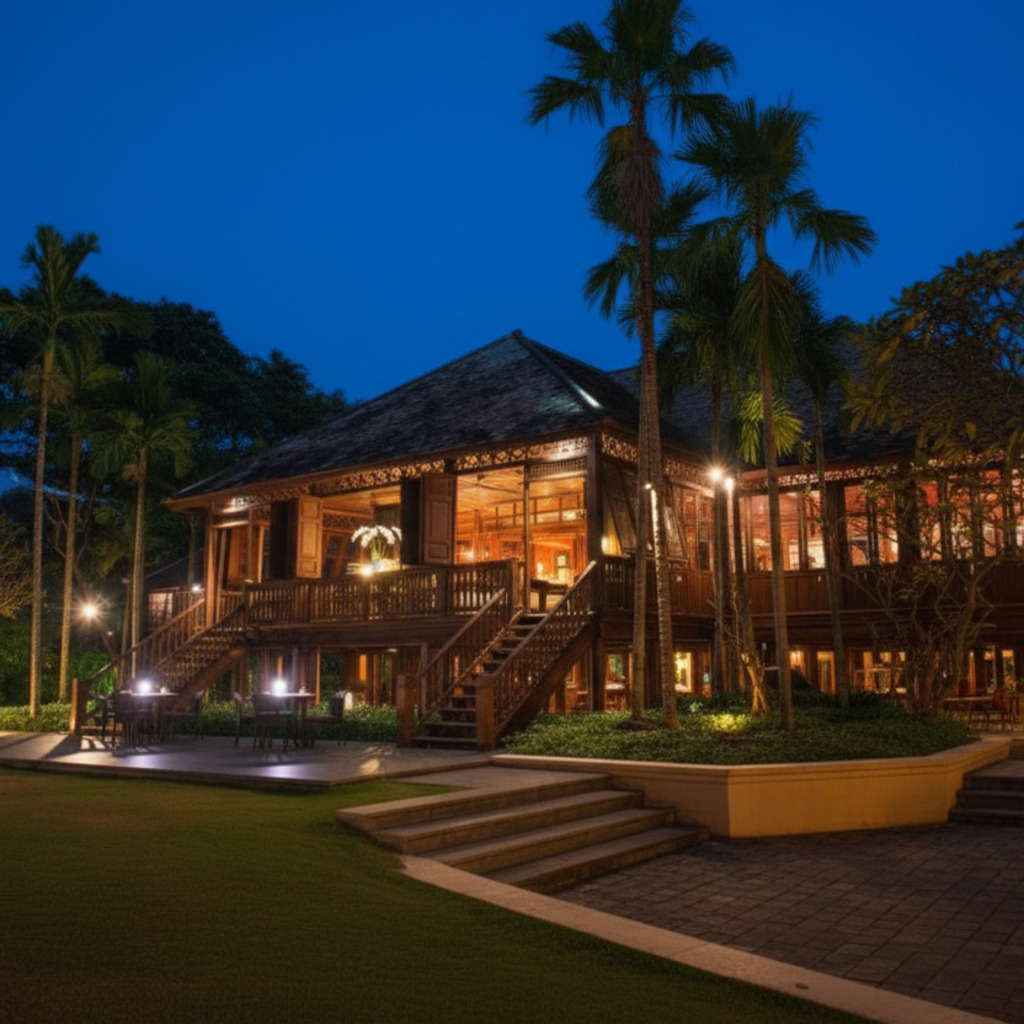
137 Pillars House is the meticulously restored 1880s headquarters of the Borneo Company Limited, serving as the historic “brain” of the Northern Thai teak trade. Architecturally, it is a masterclass in Anglo-Malay influence, defined by its 137 teak columns – a broadcast of corporate dominance.
The property’s survival is a result of “The Great Lift,” a 2004 engineering feat that raised the structure 4.8 meters to mitigate the Ping River flooding using the Nepal Technique of steel reinforcement.
137 Pillars House: A luxury boutique hotel in Chiang Mai’s Wat Gate district, built around a monolithic, 19th-century black teak homestead that originally served as the residential headquarters for the Borneo Company Limited.
The Borneo Company Limited: A powerful British trading firm incorporated in 1856 that held massive royal teak forest concessions across Northern Thailand, driving the region’s colonial-era global timber trade.
Pillar Typology: A regional architectural status index in which the sheer number of load-bearing ground pillars (sao) indicated the wealth and socio-political rank of the property owner; 137 pillars represent an extraordinary scale for a non-royal residential villa.
Wat Gate District: The historic multicultural trading enclave on the east bank of the Ping River, where foreign merchants—British, Chinese, South Asian, and American—were legally required to settle outside the Chiang Mai city walls.
Elevated Substructure: A classic tropical architectural defence mechanism where the primary timber living quarters are raised a full story above the ground on stilts to insulate the villa from seasonal river monsoons and allow cooling under-floor airflow.
Colonial Domesticity: An architectural hybrid interior design style that populated rugged Lanna teak structures with Western Victorian luxuries, featuring high-backed rattan chairs, curated botanical prints, and dedicated gin-and-tonic verandas.
I personally hand-pick every recommendation on Heritasian. To support my research into Southeast Asian heritage, some links in this review are affiliate links that may earn me a small commission at no extra cost to you.
To locate the definitive architectural epicentre of Chiang Mai’s teak trading history, one must cross the historic Iron Bridge and navigate the quiet, leafy lanes of the Wat Ket district. Rising through a canopy of mature trees stands a monumental vernacular mansion known historically as “Baan Dum” (The Black House).
While contemporary global media index this property as the fully restored masterpiece of 137 Pillars House – a benchmark for luxury heritage hospitality – the structure functioned for nearly a century as a fortified command post of the international timber industry. Originally serving as the northern headquarters for the East Asiatic Company, it was rescued from near-ruin in 2002 by the Wongphanlert family.
The resulting restoration moves far deeper than high-end hospitality; it preserves a tangible, material archive of late 19th-century corporate ambition, colonial concession diplomacy, and a family legacy that prevented the architectural remnants of the teak trade era from being reclaimed by the jungle floor.
The Corporate DNA: Headquarters of the British Borneo Company
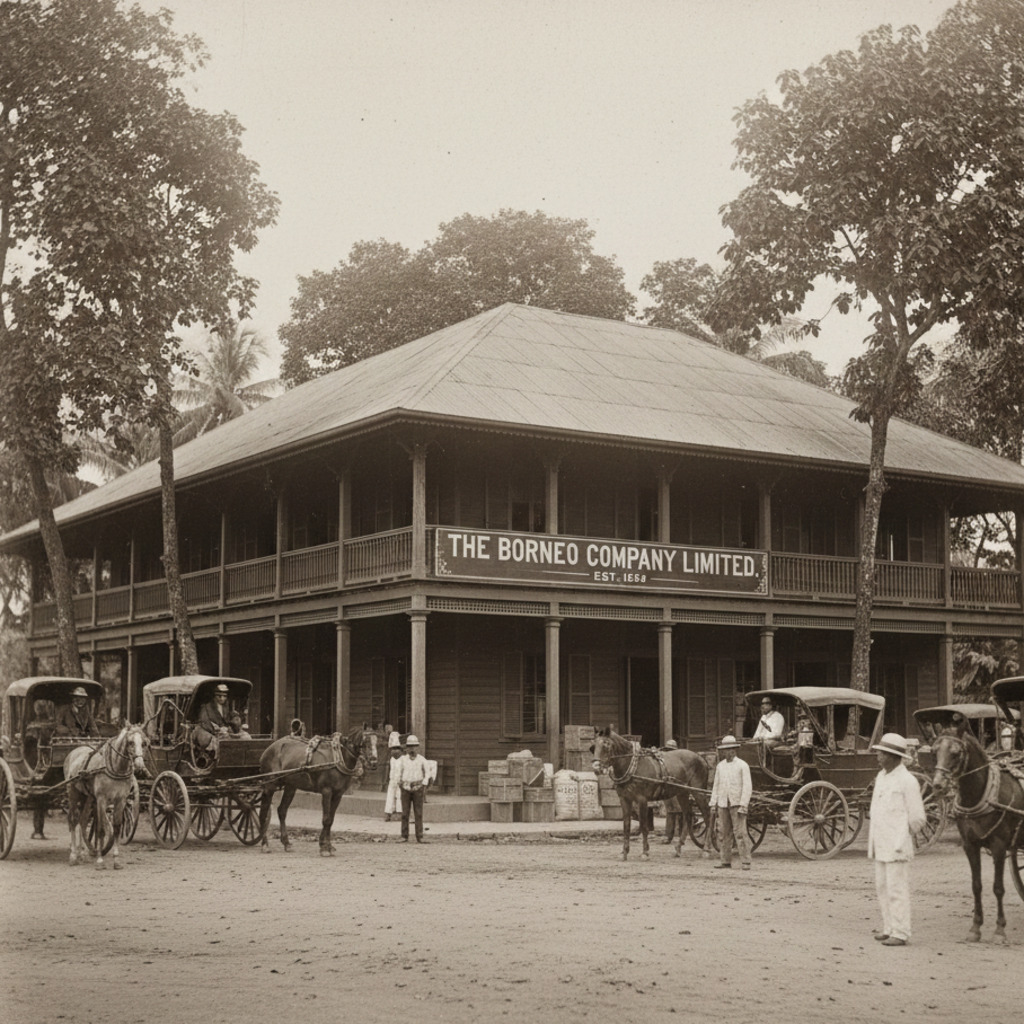
137 Pillars House was never intended to be a home in the traditional Lanna sense. It was built in the late 1880s as the northern headquarters of the Borneo Company Limited (BCL). At the time, the BCL was a global juggernaut. The firm functioned almost as a sovereign entity. It managed vast timber concessions across northern provinces like Phrae.
The man most famously associated with its early years was Louis T. Leonowens. As the son of royal tutor Anna Leonowens, Louis occupied a unique social space. He straddled the worlds of the Siamese Court and British commerce. In 1896, Louis moved his company’s operations to this specific site in the Wat Ket district.
Wat Ket was the designated “Foreigners’ Zone” on the east bank of the Ping River. The Thai government once mandated that all non-nationals reside in this cosmopolitan enclave.
From this house, Leonowens managed thousands of workers and a fleet of timber elephants. A logistical network moved millions of pounds of teak toward the sawmills of Bangkok. The house was the brain of the Teak Trail, keeping ledgers and registering “Log Brands.”
The Architectural Anorak: Why 137?
In the “Heritarian” hierarchy of heritage, 137 Pillars House earns its reputation through its foundation logic. To understand its significance, one must understand the Lanna “Social Scorecard.” Traditional Northern Thai architecture did not measure a family’s wealth by roof height. Instead, status was dictated by the number of sao—the pillars supporting the structure.
A standard village house might rest on twelve to sixteen pillars. A wealthy merchant might boast of thirty. But the British Borneo Company wanted to broadcast absolute, unassailable dominance. When the house was finally catalogued during its restoration, the count was staggering: 137 massive teak pillars.
The name itself was born from a moment of journalistic curiosity. In the mid-20th century, a reporter asked Jack Bain, the son of the last company manager, what the house was called. Jack, who grew up between these columns, simply went out and counted the foundations.
The number was so impressive that it became the property’s identity. Stylistically, the house is a masterclass in the Anglo-Malay influence, marrying Victorian order with the tropical “logic of the soil.”
The Great Lift: Engineering a Future
The survival of 137 Pillars House into the 21st century is a miracle of modern engineering. Because the original structure sat only 1.8 meters above the ground, it was a constant victim of the Ping River’s annual floods. Over a century, the dampness and silt had begun to rot the very timber that gave the house its name.
When the restoration began in 2004, the architects faced a dilemma: how to save a house whose foundation was failing? The solution was “The Great Lift.” Using eighty synchronised hydraulic jacks, engineers lifted the entire multi-ton teak manor 4.8 meters into the air.
This allowed for a “Nepal Technique” – an Austrian-developed method using slender steel poles to reinforce the original teak pillars. Steel takes the weight burden while the original wood remains visible and “active.” This demonstrates “Conservative Repair” by keeping the 19th-century timber’s soul. Modern 21st-century steel ensures the structure stands for another hundred years.
The Neighbours of Wat Ket: A Cosmopolitan Enclave
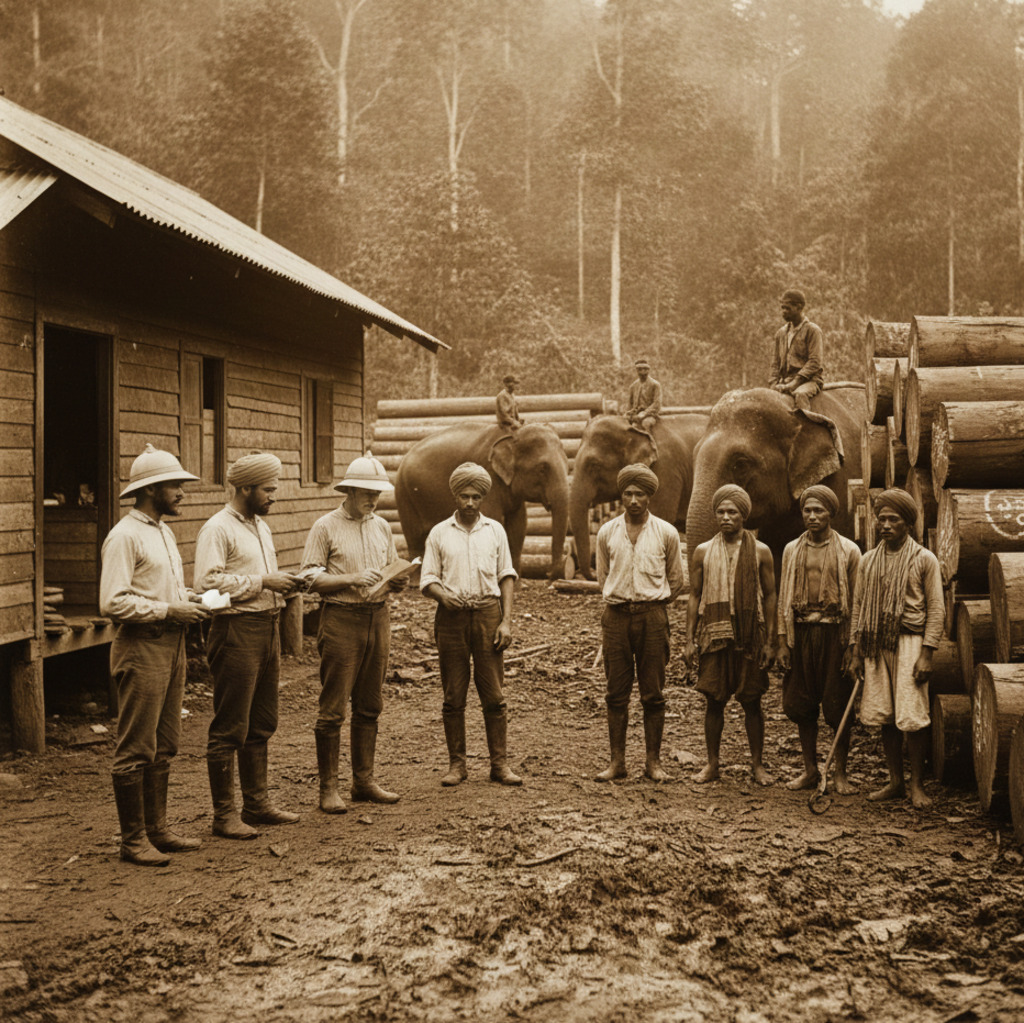
Understand the unique “buffer zone” of Wat Ket to know why the Borneo Company chose this plot. In the late 19th century, the Ping River served as a hard border. The west bank was the seat of the Thai administration. The east bank, where 137 Pillars stands, was a wild, cosmopolitan frontier.
Living alongside the British “Teak Wallahs” were Burmese traders, Chinese merchants, and Sikh guards. This created a cultural “creolization” that is still visible in the architecture of the surrounding lanes. A short walk from the hotel entrance is Wat Ket Khar Rnam, a temple that famously houses a “Museum of Everything.”
It was here that the local community – the workers who served the Borneo Company – left their own records.
For the serious “Anorak,” no tour is complete without a visit to the nearby Chiang Mai Foreign Cemetery. Here lie the real-life counterparts to our story: young men, explorers, and the Bains themselves. Reading these headstones provides a sobering counterpoint to the hotel’s velvet cushions. It reminds guests that the teak trade was a high-stakes gamble with life and limb.
The Logistics of the Ledger: The Daily Grind
While the elephants were the “engine” in the forest, the 137 pillars supported the “brain” of the operation. We often romanticise the colonial era, but the reality inside this house was one of intense, humid bureaucracy. Beneath the high ceilings, a small army of Burmese and Thai clerks worked on heavy teak desks, transcribing “Log Brands” into massive leather-bound ledgers. Every single log that floated past the house toward Bangkok had to be accounted for.
Life in the “Black House” followed a strict, almost military rhythm. The verandas weren’t just for lounging; they were where “The Wallahs” gathered at 5:00 PM to take their quinine – often dissolved in a heavy pour of Scotch whiskey to mask the bitterness. This was the birth of the “Sundowner” culture that guests now enjoy at Jack Bain’s Bar.
The Master Carver’s Touch: Lanna Symbolism
Observant guests will discover Lanna craftsmanship details hidden within the house. British managers ignored these touches, but Thai builders insisted on their inclusion. Examine the roof gables to find the Kalae. These crossed wooden “horns” are the signature style of Northern Thai architecture.
Originally meant to symbolise the horns of a water buffalo, they were believed to protect the house from evil spirits.
Look for Hamont, the intricately carved lintels above bedroom doors. Lanna belief considers the head the most sacred body part. Passing under a Hamont ritually cleanses the person. It marks the transition from public veranda to private sleeping quarters.
The Guest Experience: Living the “Teak Wallah” Lifestyle
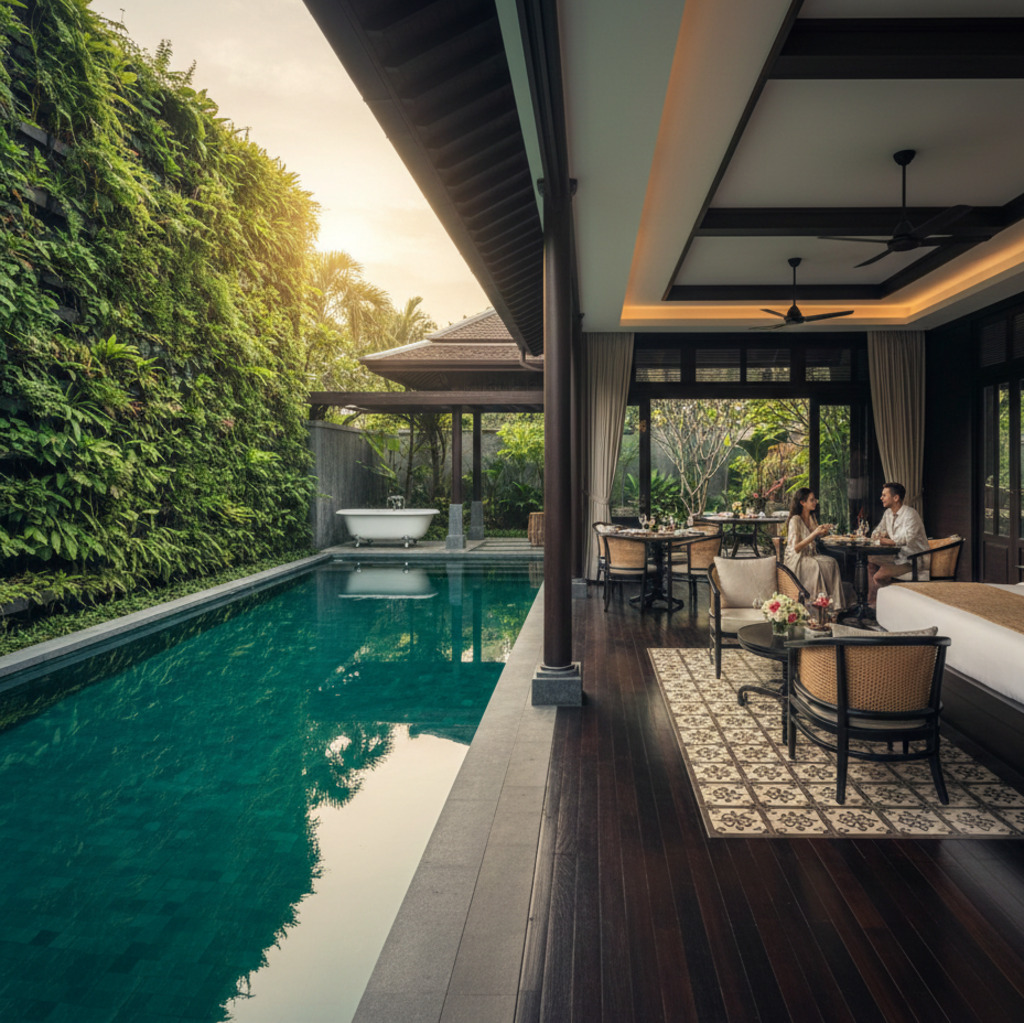
While the history is rooted in the grit of the timber trade, the modern guest experience is one of refined “Barefoot Elegance.” Staying here is about inhabiting a space where colonial – era service meets contemporary Thai grace.
The Suites: A Study in Scale: The hotel offers only 30 suites, ensuring an intimacy that mirrors the private estates of the 19th-century Teak Lords. The Rajah Brooke and Louis Leonowens suites are masterpieces of volume – think high, airy ceilings, vintage-style tiled floors, and the signature 137 Pillars “outdoor-indoor bathroom concept.
The Victorian clawfoot tubs are positioned to overlook private gardens, offering a ritual of relaxation that feels entirely removed from the bustle of modern Chiang Mai.
The Dining Ritual: Dining at 137 Pillars is an exercise in “Sense of Place.” The restaurant focuses on refined Lanna cuisine and international classics, often utilising ingredients sourced from the hills the teak once came from.
For the true heritage lover, request a table on the veranda at sunset; as the light hits the dark timber of the manor, you can almost see the ghosts of the managers gathered for their sundowners.
The 25-Metre Living Wall: Perhaps the most striking modern intervention is the emerald-green swimming pool, flanked by a 15-meter vertical garden. It serves as a cooling lung for the property, a modern architectural nod to the dense forests that once surrounded the original Baan Borneo.
Jack Bain’s Bar: The Art of the Sundowner
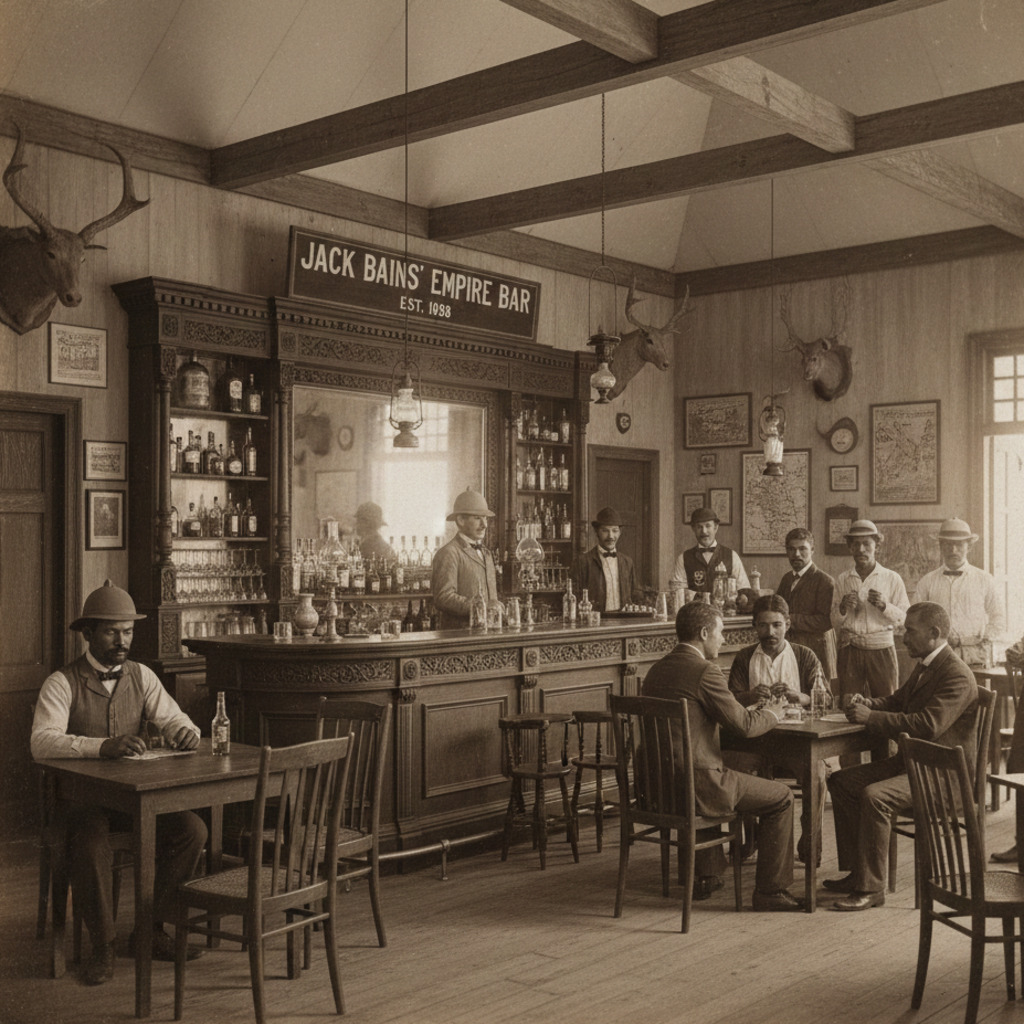
No stay is complete without a visit to Jack Bain’s Bar, located in the heart of the original teak manor. This is where the historical weight of the property meets the guest’s evening ritual. The bar is a dark, brooding sanctuary of leather, brass, and – of course – polished teak.
Sample a “Teak Wallah” cocktail while leafing through archival books left on the tables. It’s the ideal spot. In December 2023, the hotel opened a dedicated museum tucked literally between the 137 pillars. It houses the original BCL ledgers and the iron “branding mallets” used to mark the logs.
The Anorak’s Heritage Checklist
For those who visit 137 Pillars House specifically for its historical significance, keep an eye out for these four definitive “Heritage Markers”:
Conclusion: The Bridge of Northern History
137 Pillars House is more than just a hotel; it’s the bridge where the gritty Teak Trail ends and modern, global Chiang Mai begins. It’s a physical record of a time when the world was shrinking, when Scottish managers, Thai royalty, and timber elephants worked in a shared, albeit complex, landscape.
When you walk through the gardens toward the 15-meter living green wall by the pool, take a moment to look back at the Black House. You aren’t just looking at a restored relic; you are looking at the corporate soul of the North – a structure supported by 137 pillars of history that refused to sink into the mud.
Experience the Living History
Ready to cross the bridge from the modern world into the golden age of the Teak Trail? Secure your suite today and discover why some stories are best told in teak and silk at Trip.com