
Key Insights
Moving past the curated veneer of commercial tourism, this guide maps historic Bangkok as a living, amphibious archive. Explore how the city’s built environment, multi-ethnic lineages, and unadjusted culinary terroir function as a contested space of migration, capital, and ecological negotiation – offering the discerning traveller a raw, unfiltered perspective on the living capital.
For a full glossary of terms used, click here.
To step into the historical core of Bangkok is to enter a landscape defined not by static preservation, but by a continuous, humid friction.
For decades, the global travel industry has attempted to reduce this metropolis to a gilded backdrop – a placid museum of “Siam Chic” teakwood floors, sanitised royal curries adjusted for foreign palates, and manicured boutique stays. This curated flattening erases the raw mechanics and living soul of the capital.
Beyond the Boutique Facade: Rattanakosin’s Urban Topography
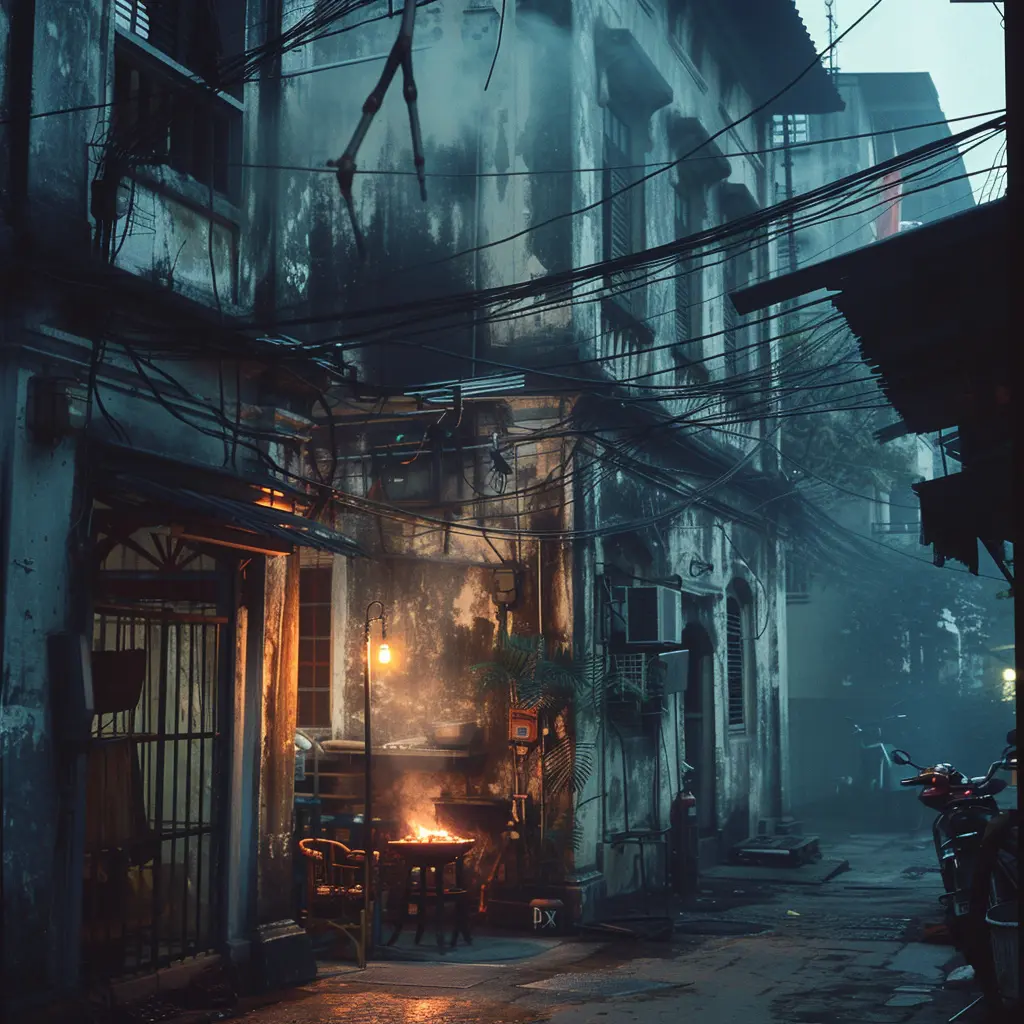
The real Bangkok resists this erasure. It is an amphibious city built on soft alluvial clay, where European mercantile ambitions, Teochew industrial foundries, and indigenous water-borne survival strategies have spent over two centuries overlapping, collapsing, and mutating into one another.
To understand the heritage of Bangkok today is to look past the pristine lime-wash of restored facades. It requires discerning travellers to experience how history is actively lived.
This happens not just through brick and mortar. Instead, history breathes through the resilience of multi-generational craft communities. It thrives within an unadjusted culinary terroir. Finally, sacred systems anchor the city’s daily survival.
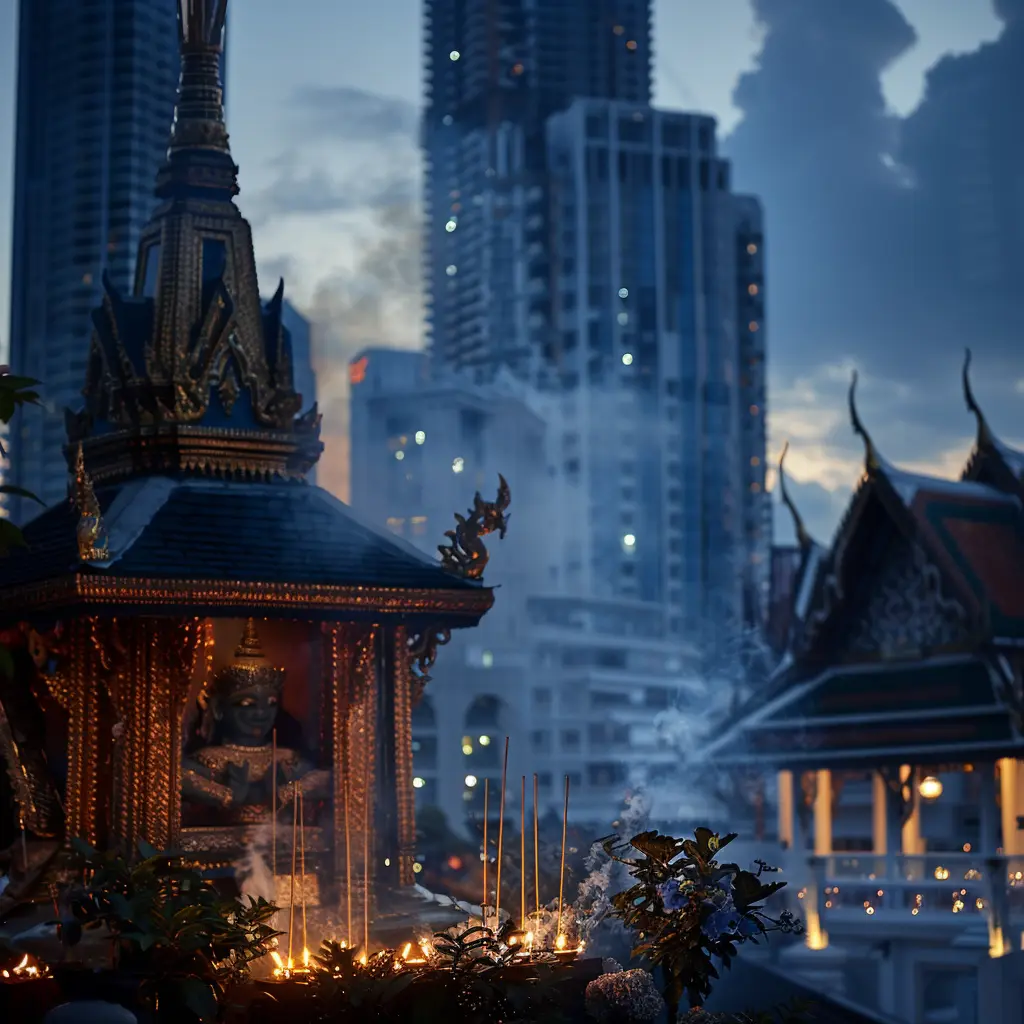
While the sacred axis of Rattanakosin Island was designed to project divine order, a different kind of spatial sovereignty was being engineered just downriver in the Bang Rak district. It is here, within the designated European quarter, that the city’s amphibious urbanism directly collided with Western maritime expansion.
Rather than a passive site of leisure, the creation of The Mandarin Oriental, Bangkok, functioned as a critical geopolitical destination node.
By weaponising neoclassical architecture as a defensive shield, the Siamese Crown masterfully used the hotel’s very bricks and mortar to project civilizational parity, turning a riverfront outpost into the literal living room where the kingdom’s independence was negotiated.
The Genesis of the Sacred Axis: The Grand Palace and the Multi-Ethnic Blueprint
This spatial segregation accidentally created the dual engine of Bangkok’s history. An aristocratic, sacred axis centred around the palace cosmogram. Meanwhile, migrant communities drove a hyper-kinetic, entrepreneurial riverine fringe.
Inside the palace walls, Siamese artisans worked alongside Mon builders. Khmer brickmasons and Chinese plasterers joined them to manifest a physical representation of the Buddhist cosmos.
Moving the capital from Thonburi to the eastern bank of Rattanakosin Island offered a key military advantage. Siam’s rulers utilised the river’s sweeping S-curve as a massive defensive moat against western invasion.
Yet, the construction of this absolute centre immediately triggered an urban domino effect that defined Bangkok’s multi-ethnic social landscape. To clear the ground for the Grand Palace, a vibrant community of Hokkien and Teochew Chinese traders who had settled on the riverbanks had to be relocated.
They were moved downriver to a strip of marshland outside the city walls—a district that evolved into Yaowarat (Chinatown) and Sampheng.
Inside the palace walls, Siamese artisans worked alongside Mon builders. Khmer brickmasons and Chinese plasterers joined them to manifest a physical representation of the Buddhist cosmos.
The Grand Palace was never an isolated sanctuary; it was a structure built by, and dependent upon, global trade networks and multi-ethnic labour from its very first stone.
Heritage Highlight: The Architecture of the Spirit – The Amulet Infrastructure
The Materialisation of Risk and Protection
While Western art historians gaze upward at Wat Phra Kaew’s glazed tiles, Bangkok’s real spiritual architecture rests on its people.
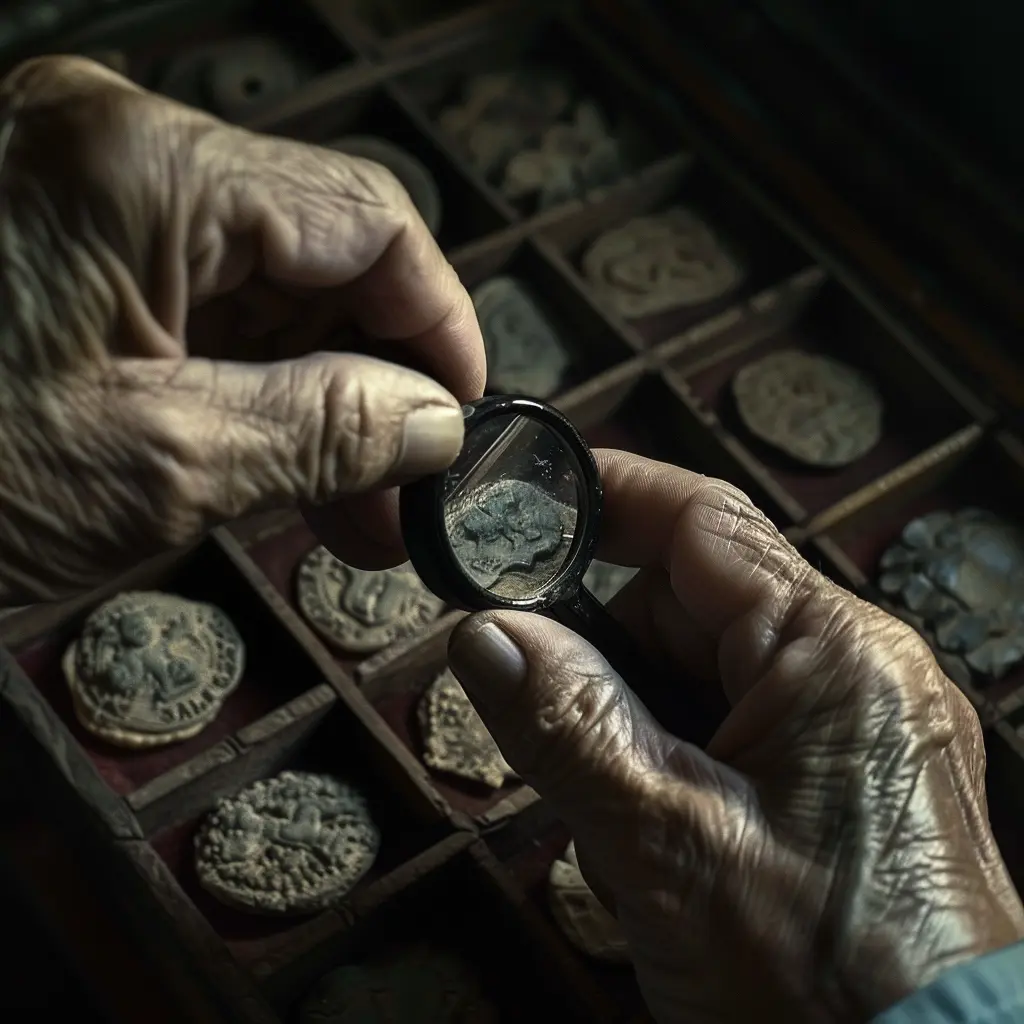
Tucked behind the Grand Palace’s sacred precinct lies the historic Tha Phrachan Amulet Market. In this maze of narrow alleys, millions of small, clay-pressed artifacts change hands daily.
These amulets (phra khrueang) are highly technical sacred objects. These artifacts are pressed from temple clay, sacred incense ash, and pulverised ancient palm-leaf scriptures. Rare botanical pollens are also added. Monastic incantations then consecrate the mixture. This spiritual process locks specific protective properties into their physical form.
For the people of Bangkok, these objects are not superstitious novelties. Instead, they operate as sophisticated mechanisms for navigating the volatile risks of urban life.
A motorcycle taxi driver navigating Sukhumvit’s chaotic grid wears a heavy, bronze-cased amulet of Luang Phu Thuat. This artifact offers physical protection against the asphalt. Concurrently, a corporate executive behind a glossy glass tower carries a rare Somdej Toh amulet. This piece secures financial fortune and shields investments from market turbulence.
The amulet trade represents a massive parallel economy where spiritual currency directly interfaces with hyper-modern capitalism. It is a living heritage that turns the sacred power of the palace and temple district into a transportable, everyday armour for the streets.
The Human Lineage: Living Craft Communities and Neighbourhood Sovereignty
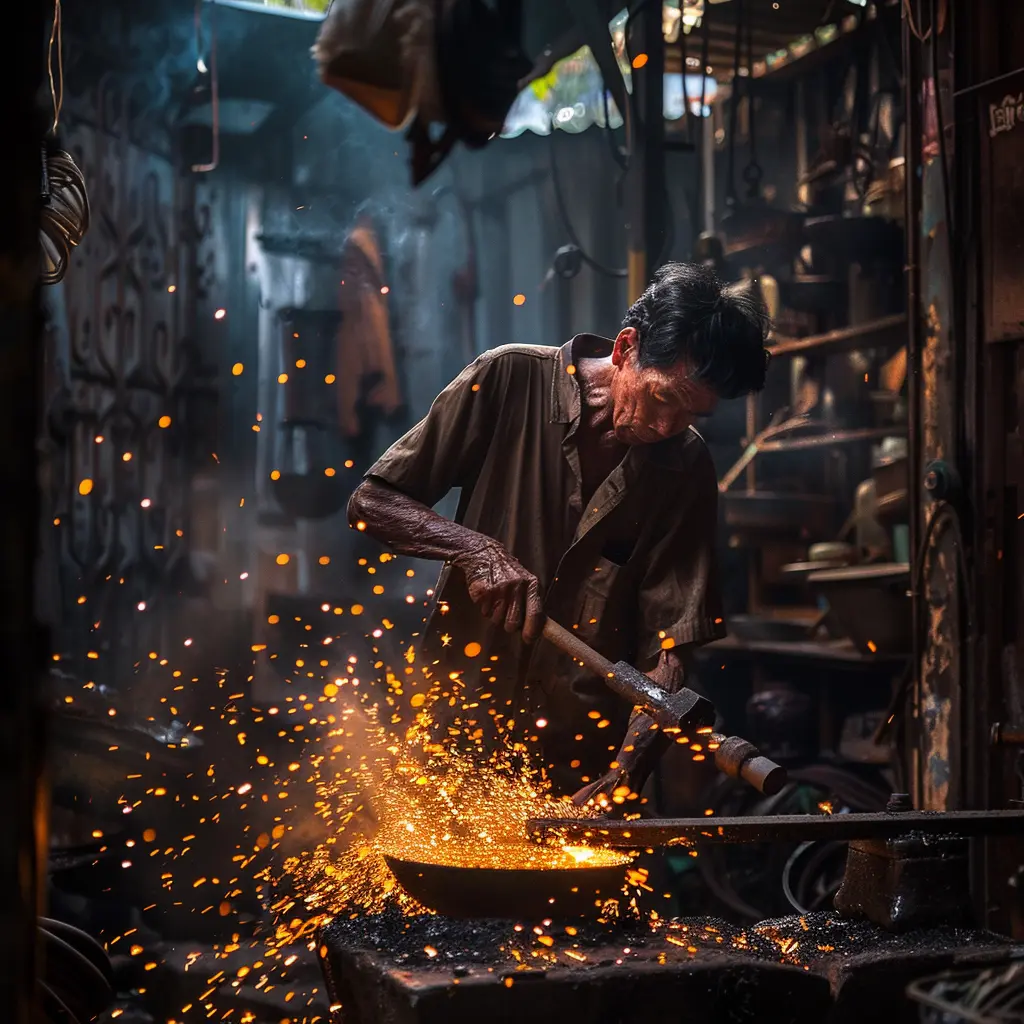
The architectural skeleton of Old Bangkok means nothing without the human muscle memory that maintains it. Away from the tourist trails of Rattanakosin, hidden enclaves of artisans continue to wage a quiet war of attrition against modern corporate real estate displacement.
The Hand-Hammered Faith of Baan Bat
In the neighbourhood of Baan Bat, the air rings with a metallic, syncopated rhythm. This striking sound has remained unchanged since the late 18th century.
Here, the last surviving families of artisans hand-forge steel alms bowls. Buddhist monks carry these traditional vessels during their morning rounds.
Mass-produced, machine-pressed iron bowls from industrial factories have flooded the market. In contrast, Baan Bat’s craftsmen preserve a complex technique. This method requires eight distinct sheets of steel. Artisans hand-cut and hammer them together to form a seamless vessel.
This eight-seam construction holds deep symbolic value, representing the Noble Eightfold Path of Buddhist practice. The process is gruelling, hot, and spatially intensive, requiring deep domestic yards and communal firing pits that cannot exist in high-density condominium complexes.
The Syncretic Confections of Kudeejeen
Cross the river to the historic Kudeejeen quarter on the Thonburi side. Here, the sensory landscape shifts from hot iron to caramelised sugar.
Portuguese mercenaries, Persian traders, and Hokkien immigrants settled this area after Ayutthaya’s fall. Today, this riverside neighbourhood remains a living testament to multicultural synthesis.
The neighbourhood’s defining artifact is Khanom Farang Kudejeen – a light, crispy sponge cake baked in clay ovens. The recipe is an un-sanitised historical hybrid: it utilises Western egg-whipping techniques introduced by Portuguese settlers, topped with dried Chinese sweet melons and raisins, and sweetened with local palm sugar.
Tasting this cake inside a 150-year-old wooden home near Santa Cruz Church reveals a profound truth. Bangkok’s culinary heritage is not found in pristine five-star dining rooms. Instead, it thrives within the deep, syncretic history of neighbourhood survival.
Gastronomic Underbelly: Fermentation, Offal, and the Unadjusted Plate
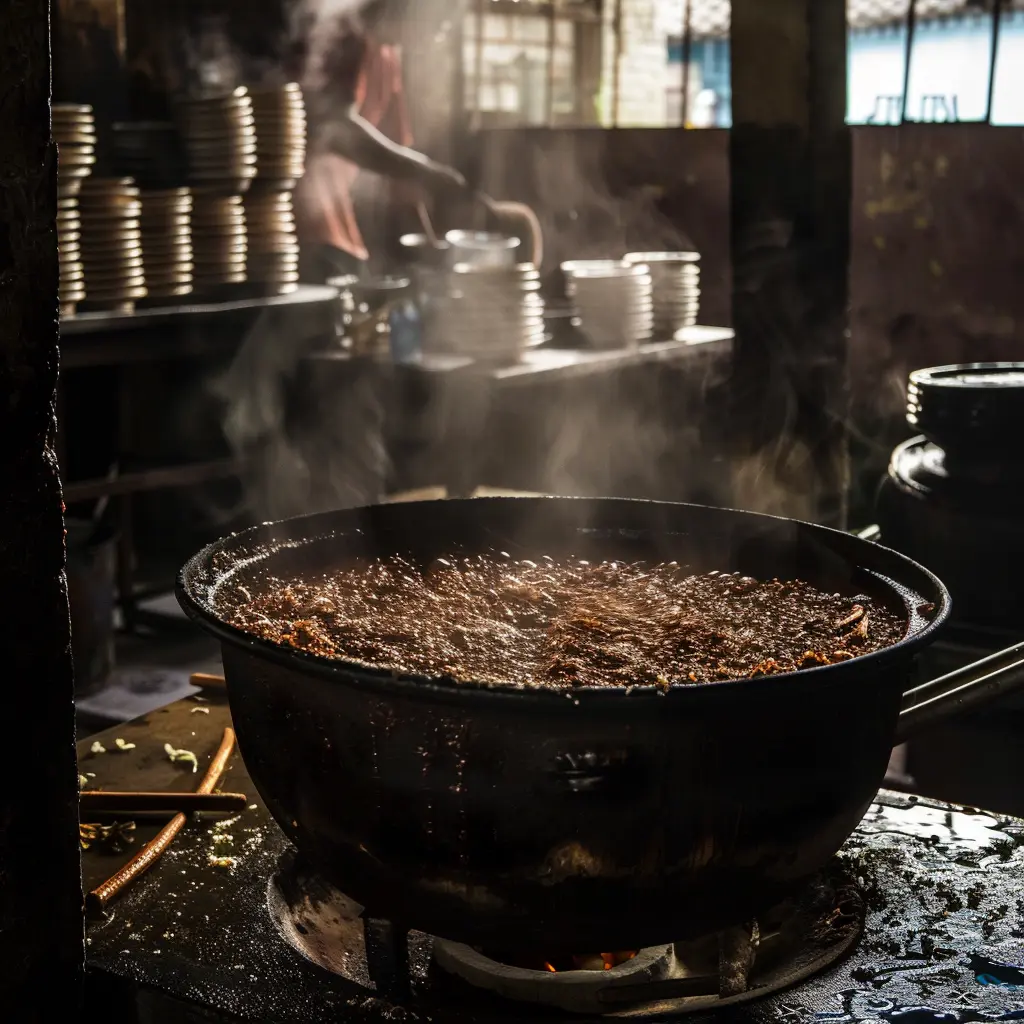
The travel industry’s obsession with “Royal Thai Cuisine” creates an elite narrative. This heavily sanitised perspective strips Thai food of its complex regionality and class origins.
To taste Bangkok’s true culinary history, historians must explore raw, intense landscapes. This requires leaning into deep fermentation, heavy spice, and nose-to-tail preservation.
Preservation Tech
Ingredient Sourcing
In the historic market quarters like Nang Loeng or Phra Nakhon, the food tells a story of intense adaptation. Take Kuaitiao Ruea (Boat Noodles), originally served from small canoes along the city’s busy canals. The dark, unctuous broth is deeply seasoned with cinnamon, star anise, and a vital addition of fresh pig’s blood (nam tok) to enrich the soup under the humid equatorial heat.
Similarly, Chinatown’s neighbourhood shophouses still serve Teochew-style braised goose and offal stews. This dish, called Kway Chap, traces its lineage directly to early dock workers’ labour camps.
These dishes reject modern trends toward bland sweetness. Instead, they embrace a pungent, bitter, and gelatinous profile. This flavor honors the resourcefulness of migrant communities who turned discarded ingredients into high culinary art.
Temporal Collision: Syncretism, Capitalism, and Countercultures
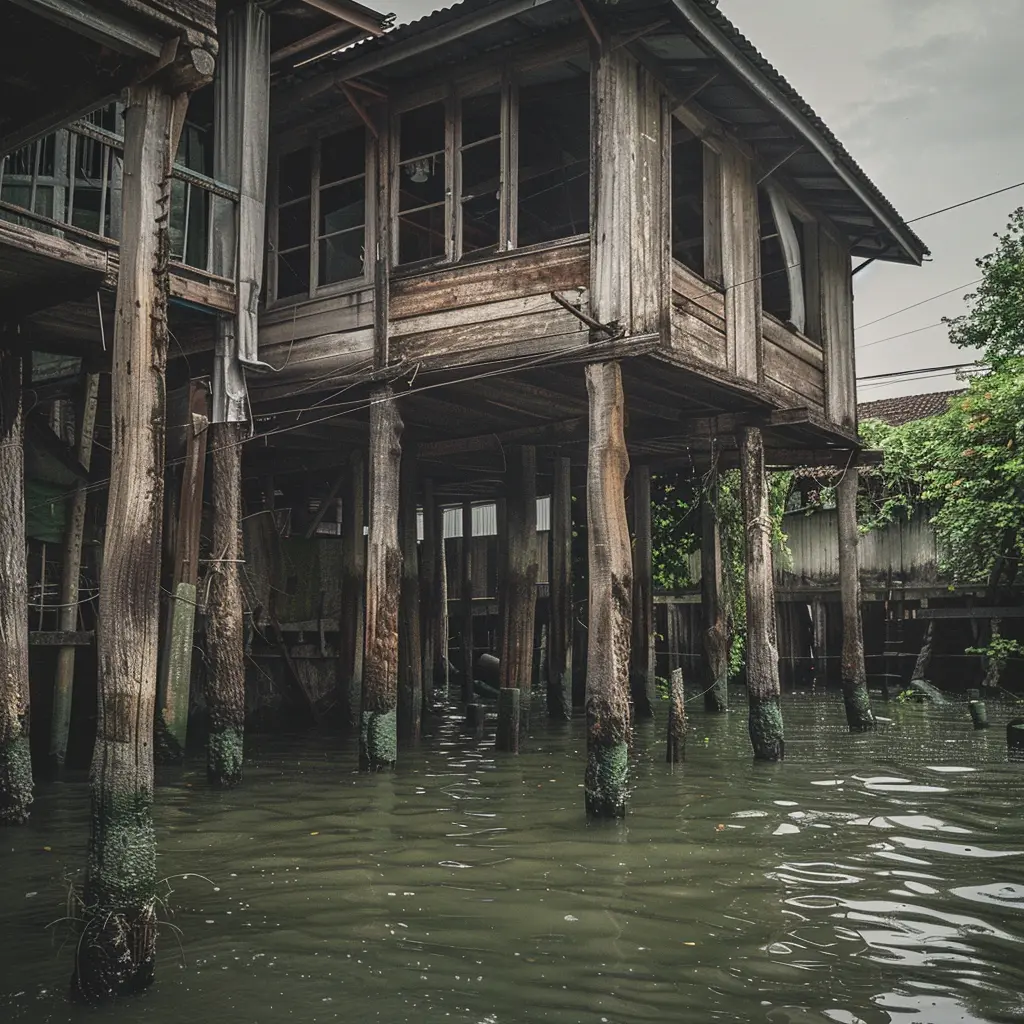
Bangkok is defined by its ability to stack different eras, belief systems, and social movements on top of each other within the same square meter. It is not a city of clean historical transitions; it is an ongoing collision zone.
The Animist-Capitalist Interface
This convergence is glaringly visible at the Ratchaprasong intersection, where high-end luxury shopping malls surround highly active shrines like the Erawan Shrine. Here, corporate executives in bespoke tailoring light incense alongside motorcycle taxi drivers clad in high-visibility vests, both petitioning Phra Phrom for protection and financial success. The transaction of spiritual capital is woven directly into the infrastructure of global commerce.
This syncretism extends to the physical bodies traversing the city; a modern commuter stepping off the sterile, climate-controlled BTS Skytrain wears a complex array of ancient, clay-pressed amulets beneath their shirt, a tangible armour against both spiritual misfortune and the visceral dangers of urban traffic.
Subcultural Lineages & Radical Spatial History
Beyond the spiritual, Bangkok’s heritage contains a rich lineage of countercultures and radical spatial histories. The crumbling, mid-century shophouses of Chinatown and Talat Noi are currently undergoing a creative counter-occupation.
Rather than being flattened by corporate developers, these spaces are being utilised by independent Thai artists. Printmakers and noise-music collectives use the raw, unrestored patina of the buildings as a canvas. These gritty surfaces host contemporary political and social commentary.
Similarly, the neighbourhood of Bang Rak has long functioned as a sanctuary of inclusivity. It evolved from its early days as a multi-faith consular district. Today, it serves as a foundational hub for the city’s trailblazing queer spaces and underground creative expression.
The Verdict
Bangkok is a city that cannot be understood through a polished lens. Its heritage does not reside in pristine, static monuments but in the friction between its layers—the historical depth of its migrant labour networks, the sensory overload of its unadjusted culinary terroir, and the hydrological realities of a metropolis fighting its own geography.
To engage with the capital on a deeper level is to embrace this complexity, recognising that the true soul of Bangkok is found not in the absence of chaos, but in the sophisticated ways it has always negotiated it.
If you’re compelled by the intricate histories of Southeast Asian urban development and adaptive architecture, explore our deep dive into the Straits Eclectic Mansions of Penang, or examine our archival analysis of the Lanna Vernacular Architecture of Chiang Mai to understand how water and wood shaped this region.
Glossary of Terms
Structural & Architectural Engineering
Amphibious Urbanism: An early urban planning philosophy where Bangkok’s built environment adapted to a riverine landscape via floating dwellings, canal networks, and stilt houses rather than resisting seasonal monsoons and tidal shifts.
Five-Foot Way: An arcaded, covered pedestrian walkway integrated into the ground floor of historic shophouses, mandated to provide shelter from sun and rain while serving as a buffer zone between public streets and private commerce.
Lime-Wash Patina: A traditional, breathable finish of slaked lime and natural pigments on historic brick facades that allows moisture to transpire in high humidity, preventing structural rot while gracefully recording the passage of time.
Tian Jing: A narrow, open-air internal courtyard (sky-well) in traditional shophouses that functions as a thermodynamic cooling chimney to draw in air while acting as a vital vertical drainage valve during tropical downpours.
Socio-Religious & Political Frameworks
Cosmogram: The architectural mapping of sacred Buddhist and Hindu metaphysical geography into urban design, aligning the Grand Palace and royal temples as a terrestrial mirror of Mount Meru to anchor divine order.
Extraterritoriality: A 19th-century colonial legal status exempting foreign nationals from Siamese law, which carved out sovereign diplomatic and commercial enclaves that permanently altered the urban topography of the Bang Rak district.
Spatial Sovereignty: The capacity of a multi-generational neighbourhood to retain ownership, cultural agency, and economic self-determination over its territory against aggressive real estate gentrification and tourist displacement.
Syncretism: The fluid, non-contradictory entanglement of distinct spiritual belief systems and economic eras, visible where ancient animist shrines operate directly alongside hyper-modern corporate megamalls.
Human Lineage & Culinary Terroir
Bat Phra: The sacred steel alms bowl hand-forged by local artisans using an intricate eight-seam welding technique that represents the Noble Eightfold Path, standing in direct defiance of cheap, machine-pressed imports.
Deep Fermentation: The microbiological process of using salt, wild yeasts, and time to preserve ingredients in an equatorial climate, prioritising a pungent, un-sanitised “funk” born out of historical necessity.
Khanom Farang Kudejeen: A historic sponge cake from the Kudeejeen enclave that preserves an edible archive, combining 18th-century Portuguese baking techniques with Chinese toppings and local Siamese palm sugar.
Nam Tok: A culinary technique originating from canal-side boat vendors, using raw pig or cow blood mixed with aromatic spices to enrich noodle broths with deep flavour and iron to sustain river labourers.