
Key Insights
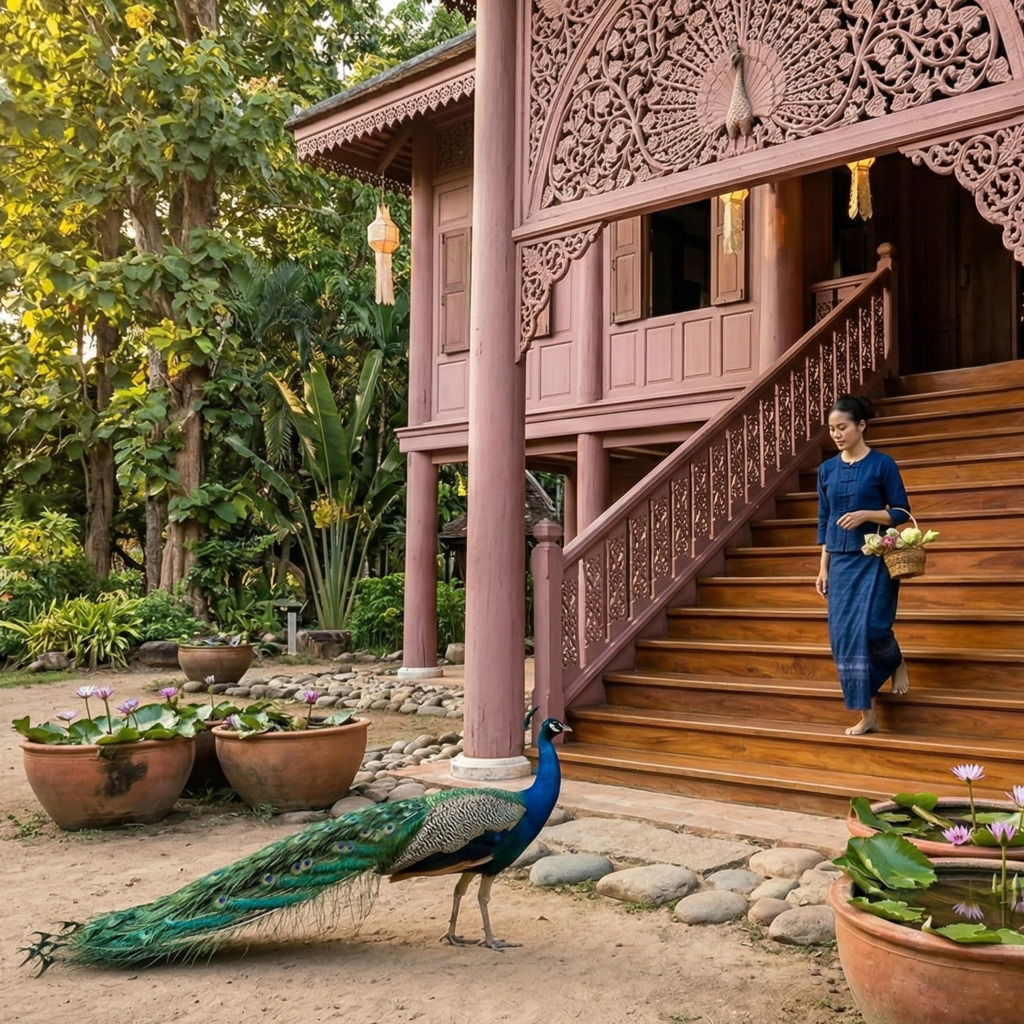
Phrae is Northern Thailand’s overlooked “Teak Capital,” a serene Lanna city defined by 19th-century timber wealth. Famous for its pink “Gingerbread” mansions, intricate fretwork, and indigo-dye traditions, it offers a slow-paced journey through colonial-era history. From royal palaces to pillar-filled museums, Phrae preserves an authentic, aristocratic soul untouched by mass tourism.
Explore the complete Lanna Teak Trail topic.
Ruan Saranai (Salanai): The regional architectural archetype that married Victorian gingerbread layouts with local Lanna timber carpentry, typically featuring a half-wood, half-concrete structure with fully opening folding front doors on the ground floor.
Filigree Fretwork: The defining feature of the style; thin, intricately perforated or sawn teakwood panels used along eaves, gables, and air passages above doors to provide vital cross-ventilation while casting patterned shadows inside the structure.
Chao Luang / Khum: Terms denoting the local Lanna royalty and their official residential compounds (such as Khum Vongburi or Khum Chao Luang in Phrae), which served as the primary incubators for this high-status, Western-influenced teak architecture.
Lathed Finials: The sharp-ended, vertically spun wooden elements attached to the tips of gables and roof apexes, replacing traditional Lanna Galae (crossed horns) with a Victorian silhouette adapted for local timber templates.
The Teak Rush: When the West Met the Wild North
To understand why Phrae looks the way it does, one must look back to the late 19th century. This was the era of the “Teak Rush.” European powers – specifically the British East Borneo Company and the Bombay Burmah Trading Corporation – had exhausted the forests of Myanmar and turned their sights toward the dense, “Golden Teak” (Tectona grandis) forests of Northern Thailand.
Phrae became a cosmopolitan hub of the jungle. British timber barons, Burmese foresters, and Thai royalty mingled in a landscape defined by the river-borne transport of logs. This wealth didn’t just stay in the banks; it manifested in wood. The “Teak Palaces” and Vernacular Mansions were the status symbols of the era – monolithic structures built to showcase the owner’s access to the most valuable timber on the planet. Unlike the stone mansions of the West, these were living, breathing monuments that creaked with the history of the forest.
The Fretwork Fantasy: Decoding “Gingerbread” Style
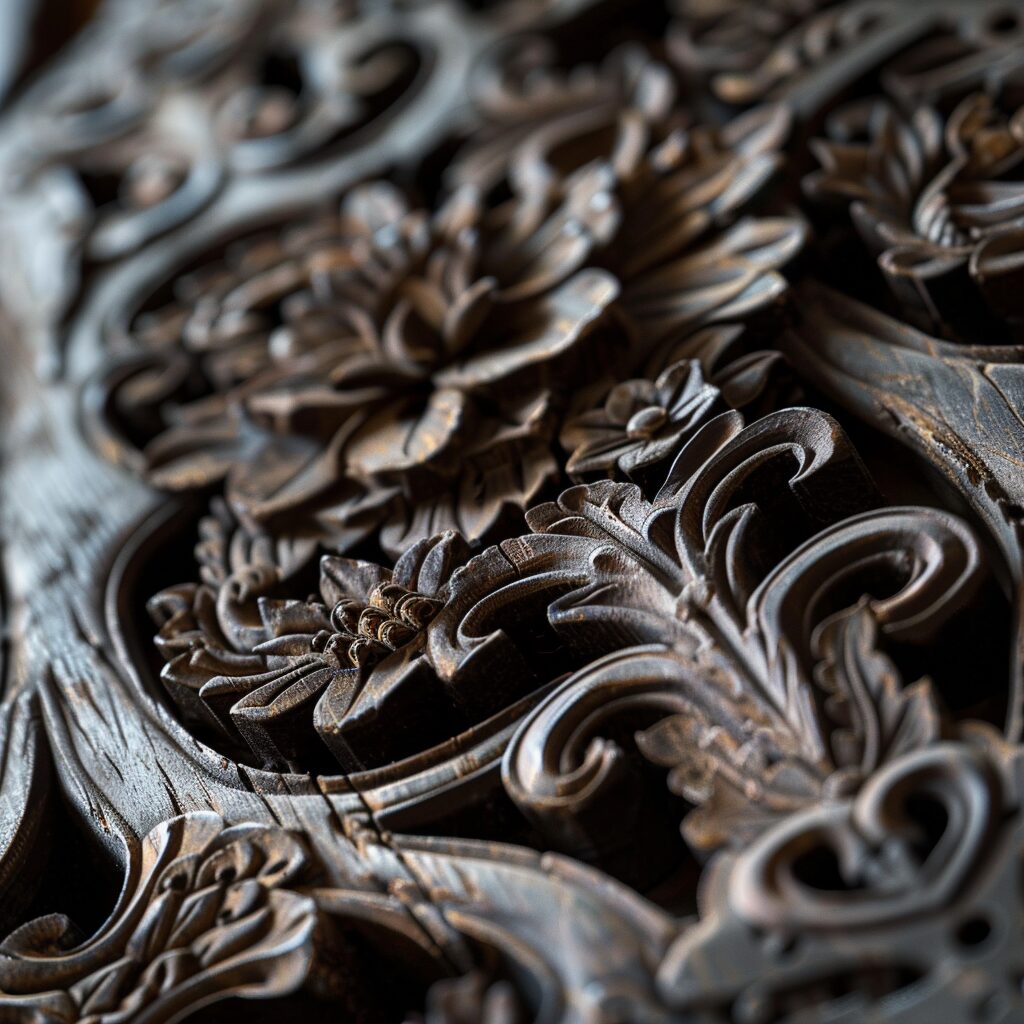
As you walk through Phrae’s old town, you’re greeted by an architectural style that feels both familiar and alien. This is the Gingerbread style (Reuan Khanom Pang Khing).
Popularised during the reign of King Rama V, this style was a deliberate effort to modernise Thai aesthetics. The King, a great admirer of European progress, encouraged a hybrid look. However, the Lanna people are nothing if not practical. They took the “Gingerbread” trimmings of Victorian villas – the lace-like eaves and gabled roofs – and adapted them to the tropical monsoon climate.
The Anatomy of a Teak Palace
Vongburi House: A Rose-Colored Time Capsule
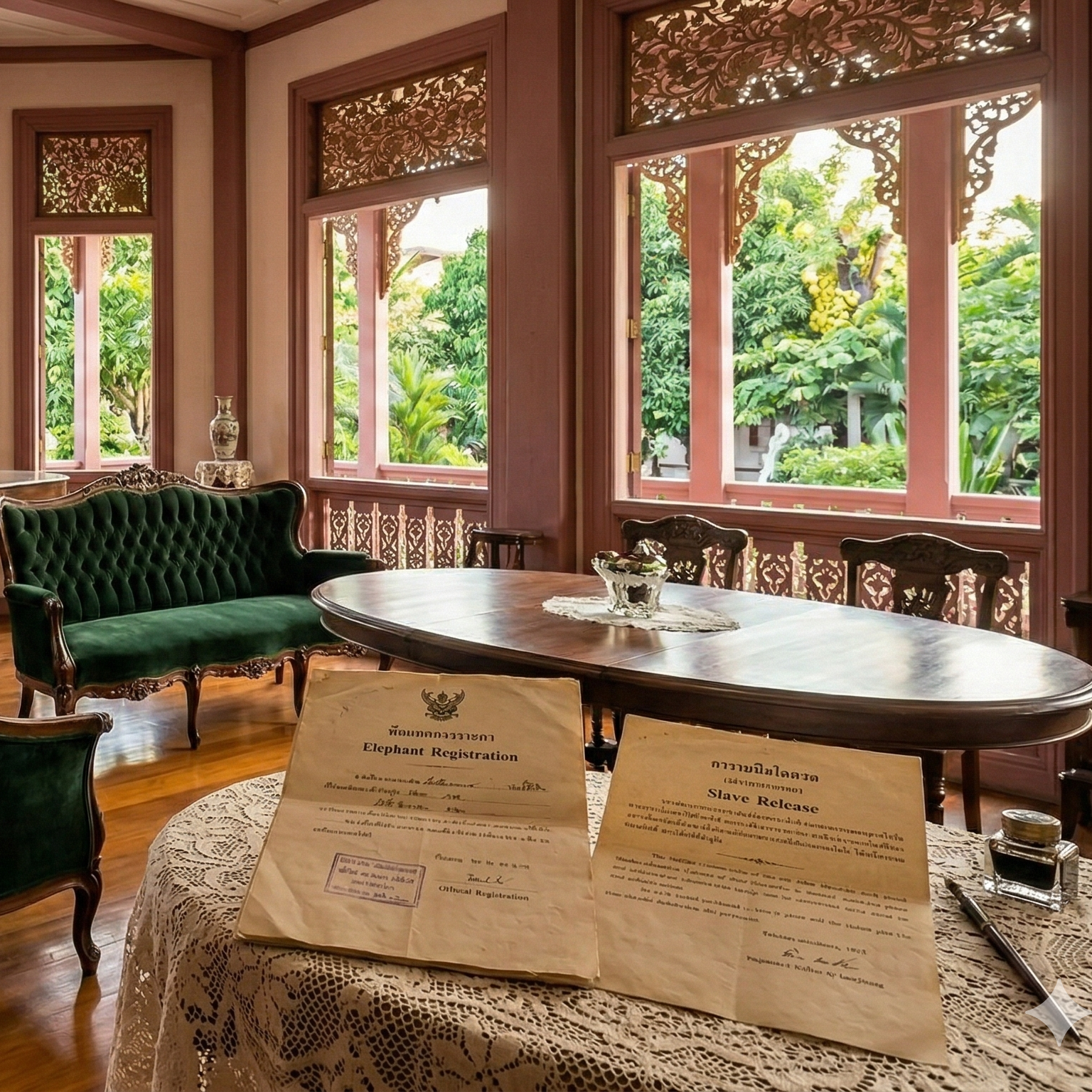
If there is a “crown jewel” of Phrae, it is the Vongburi House. Built in 1897, this sprawling, two-story mansion is painted a soft, dusty rose that seems to change hue as the sun moves across the teak forests.
A Gift of Love and Legacy
The house was commissioned by Chao Phrom and Mae Chao Sunantha Vongburi, descendants of the last Prince of Phrae. It wasn’t just a home; it was a wedding gift and a statement of the family’s enduring relevance in a changing Siam.
Today, the house remains in the family’s hands, and walking through its doors feels like intruding on a private, elegant past. The air inside is noticeably cooler, scented with old wood and jasmine.
Khum Chao Luang: The Governor’s Duality
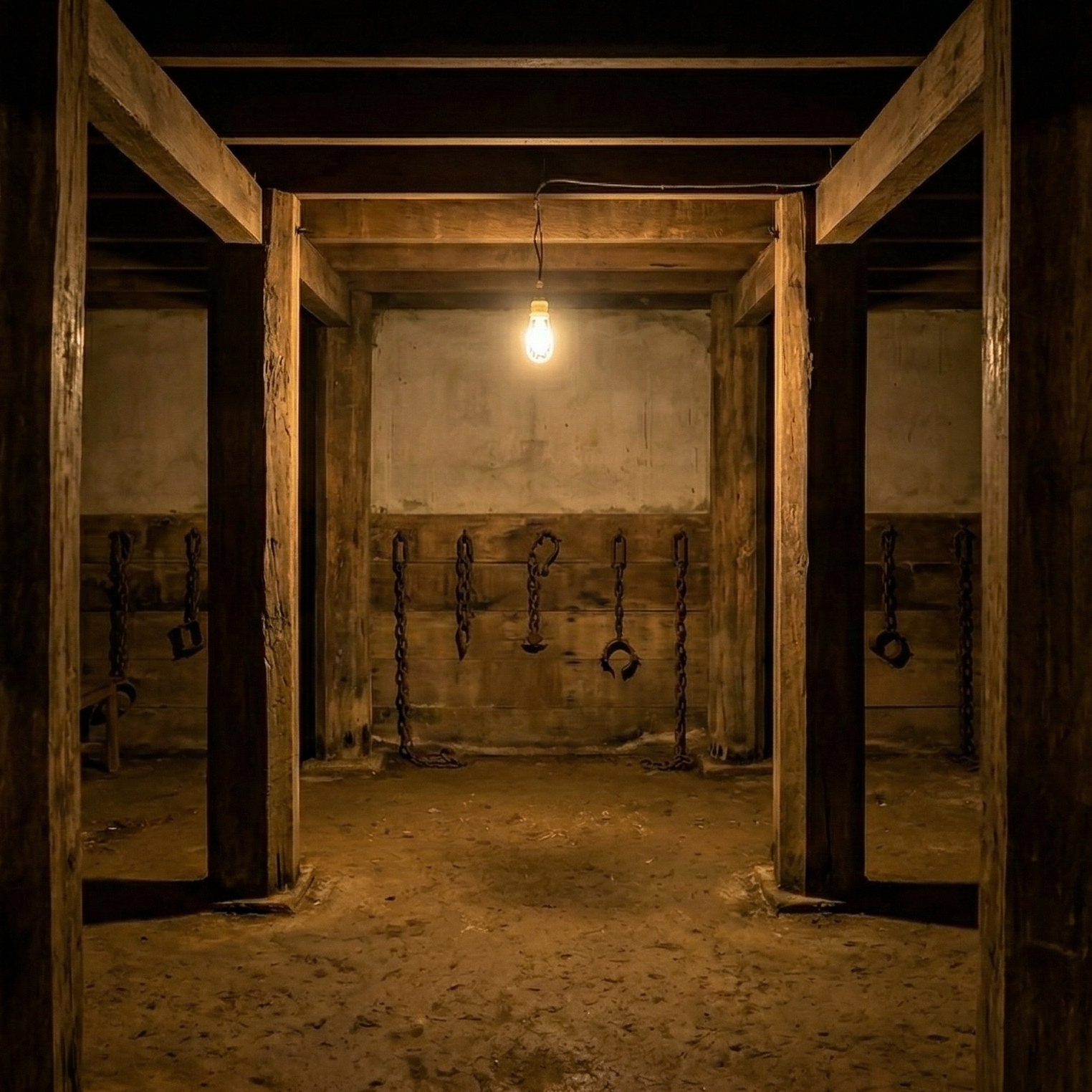
A short walk away lies Khum Chao Luang, the former residence of the “Lord of Phrae.” While Vongburi is romantic and whimsical, Khum Chao Luang is imposing. It is a structure of “Power and Punishment.”
The Architecture of 72 Windows
The house is famous for having 72 windows and doors, each topped with a “sunburst” fretwork pattern. It won the Architectural Conservation Award from Princess Maha Chakri Sirindhorn, but its beauty hides a darker history.
The Hidden Gems: Pillars and Spirits
To truly understand Phrae’s teak obsession, one must venture beyond the two main palaces.
Ban Sao Roi Ton (House of 100 Pillars)
This is perhaps the most visceral display of Phrae’s wealth. This private museum is supported by 130 massive teak logs, each over a century old. Walking beneath the house, through the forest of pillars, you feel the literal weight of the timber industry. It is an architectural forest, showcasing the raw scale of the trees that once blanketed this valley before the logging bans of the late 20th century.
Wat Chom Sawan: The Spiritual Teak
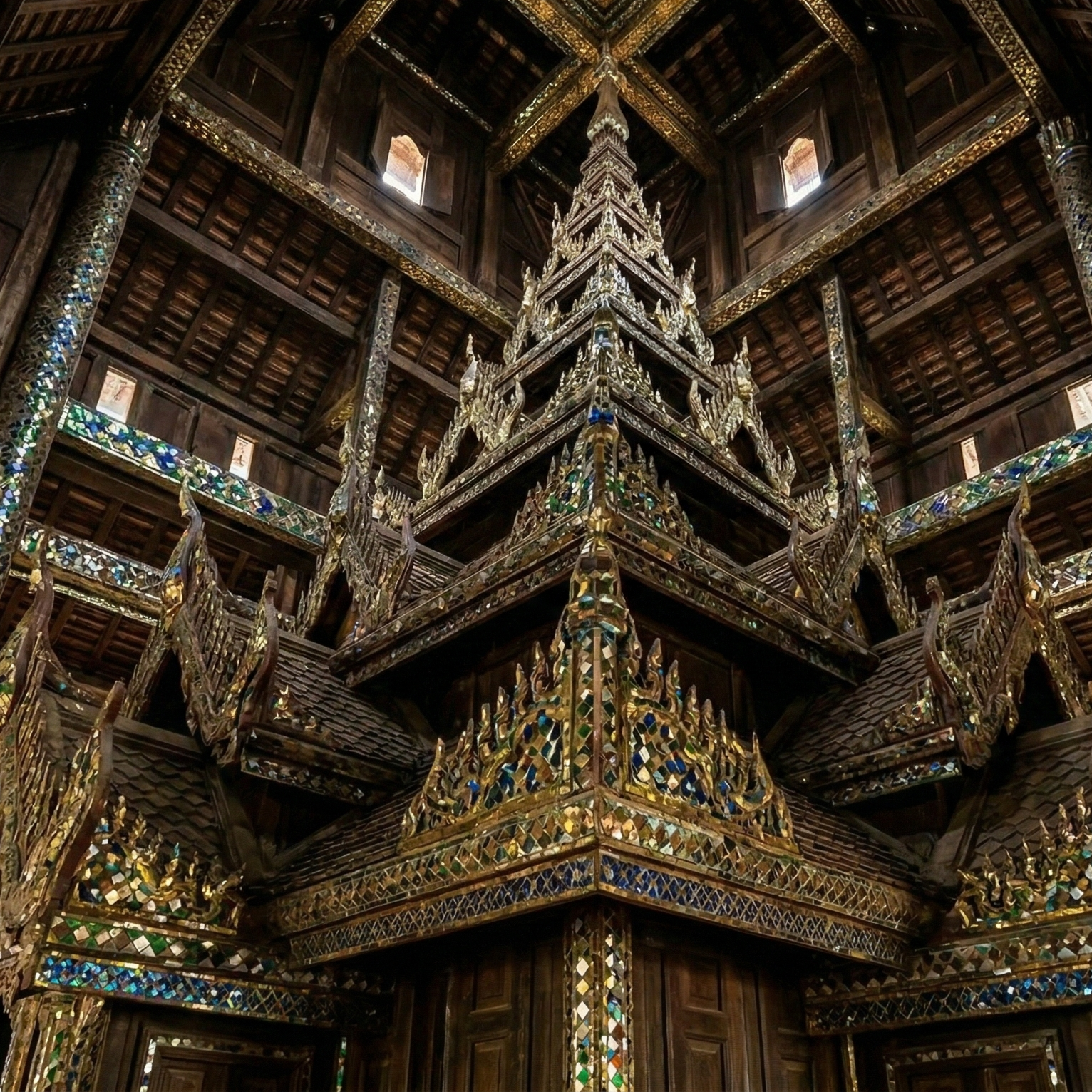
The Northern Thailand teak trade brought more than just British bankers; it brought Tai Yai (Shan) artisans from Myanmar. Wat Chom Sawan is their masterpiece. A Burmese-style temple built entirely of teak, it features multi-tiered roofs that look like a dark wooden mountain. The interior is a riot of glass mosaic work and gold leaf, a spiritual sanctuary built by the very hands that felled the great trees of the north.
The Indigo Soul: Phrae’s Living Heritage
Architecture is the skeleton of Phrae, but Indigo is its skin. You cannot talk about the heritage of this city without mentioning Mo Hom. This traditional indigo-dyed cotton is the unofficial uniform of the region.
Blue Mo Hom shirts provide a stunning visual contrast to Vongburi House’s pink or Wat Chom Sawan’s dark brown. In Ban Thung Hong village, the air smells of fermented indigo – a sharp, earthy scent. Here, the descendants of the teak workers still dye fabric using ancient fermentation vats. It’s a “slow fashion” movement that has existed for centuries, perfectly mirroring the “slow travel” vibe of the city.
Practical Guide: Planning Your Slow Escape
Phrae is not a city for the “check-box” traveller. It is a city for the wanderer.
Conclusion: A Tribute to the Golden Era
Phrae remains a “hidden gem” because it has refused to compromise its soul for the sake of mass tourism. It’s a town that values its splinters, its spirits, and its stories.
Standing on the Vongburi House balcony, you aren’t just looking at a building. You see global empire remnants, vanished forest craftsmanship, and the Lanna people’s enduring grace. In delicate fretwork and heavy pillars, Phrae tells of a time when the world moved slowly. During this era, beauty was carved directly out of the very earth.