
Key Insights
George Town’s UNESCO status is a dynamic technical achievement defined by syncretic architecture and maritime vernacular. This archive examines the architectural provenance and vernacular intelligence of the Straits, providing a functional benchmark for understanding regional conservation.
Explore the complete Evolution of a Shophouse topic.
For a full glossary of terms used, click here.
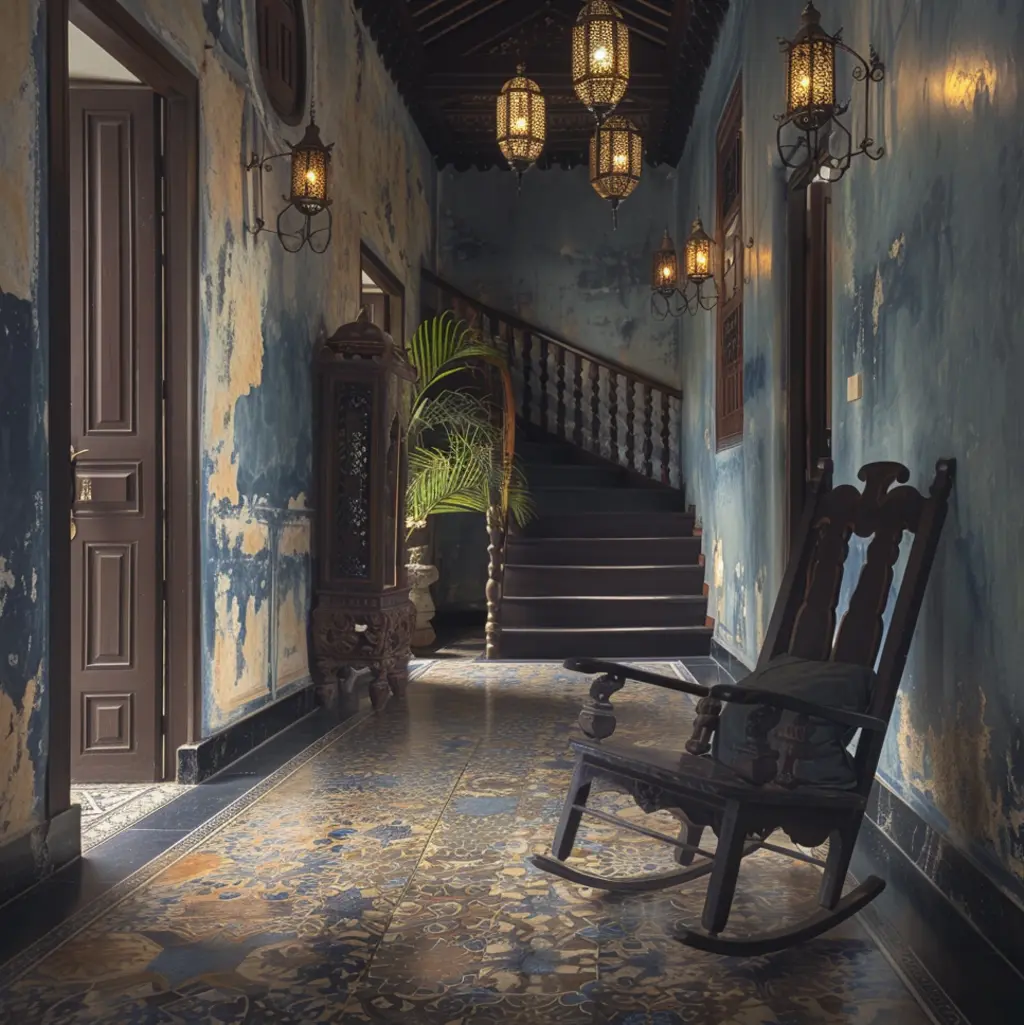
George Town’s defining characteristic is found within the porous, living reality of its historical masonry. As Andaman sea-mist settles, the distinct lime-wash patina on a shophouse façade begins to deepen. This aging surface represents a functional, technical record of maritime endurance. In the blue hour, these architectural vestiges reveal their Outstanding Universal Value.
For heritage travellers, cool encaustic tiles and damp moss serve as markers of Intellectual Luxury. This city is a technical synthesis of 18th-century trade routes and 21st-century preservation. While Chiang Mai relies on mountain timber, Penang’s story is permanently etched in brick and salt air.
The Architectural Blueprint: Straits Eclectic
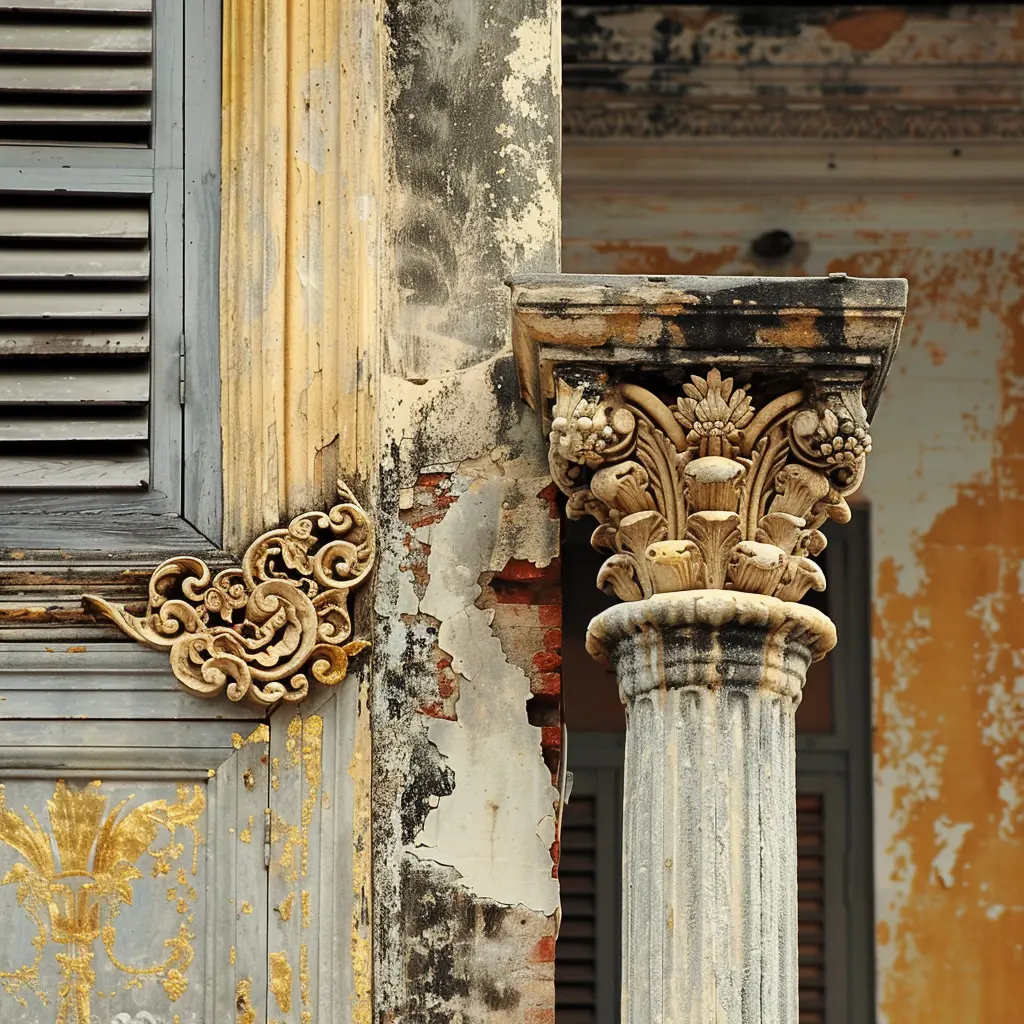
To move beyond the “Banalistan” travel brochure, one must analyse the George Town shophouse through its mechanics of synthesis. The Straits Eclectic style is a technical masterpiece of architectural adaptation, merging traditional Hokkien spatial planning with European Neoclassical aesthetics.
The primary innovation of this style is the internal air well. While street-facing façades display Corinthian capitals and Italianate windows, interiors prioritise Chinese domestic order, natural ventilation, and light. This syncretic approach allowed the mercantile elite to project global identities while maintaining practical tropical comforts.
The Provenance of Materials
Material provenance defines the luxury of these structures. Builders hewed structural beams from the Burmese and Northern Thailand Teak Trail to resist the Straits’ humidity. Occupants imported ornate floor tiles from Stoke-on-Trent to signal their high-net-worth status. Crucially, local lime plaster was a technical necessity. Unlike modern cement, it allowed masonry to “breathe,” preventing trapped damp. This avoids the moisture issues that currently plague less rigorous restorations.
The Heritage Highlight: The Five-Foot Way
The Kaki Lima, or “five-foot way,” is perhaps the most significant urban planning vestige of the Straits. Mandated by 19th-century building regulations, these shaded walkways created a unique social and commercial corridor.
The Mechanics of the Monsoon: Vernacular Intelligence
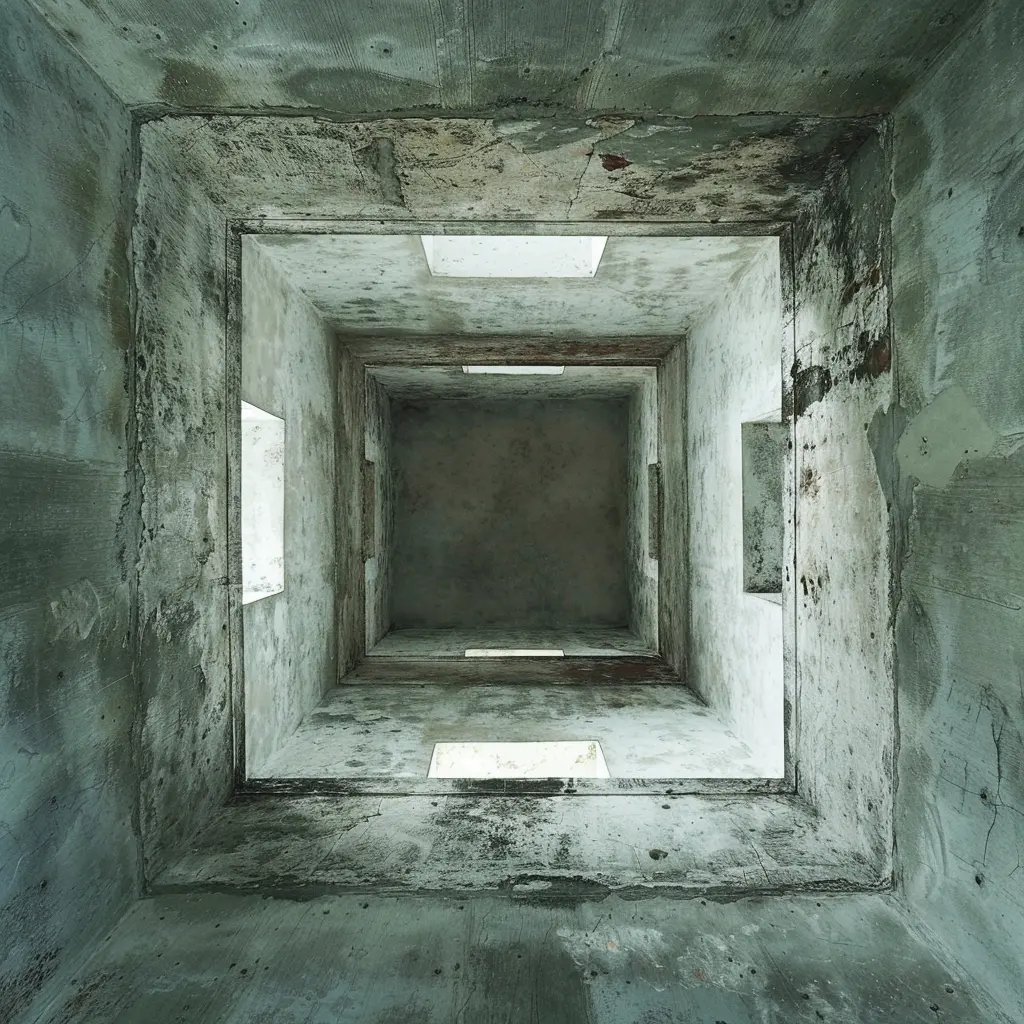
George Town’s engagement metrics often falter because the “Intellectual Luxury” of its engineering is invisible to the untrained eye. While travellers focus on aesthetic façades, discerning visitors understand the vernacular intelligence managing 90% humidity in brick structures.
The internal air well is the lung of the Straits Eclectic shophouse. Using the stack effect, central voids pull warm air upward, drawing cooler air through porous lime-plaster walls. Grand mansions used granite or encaustic tiles for low thermal mass, ensuring interiors remained sanctuaries from maritime heat. Heritage exists within the maritime vernacular of people in UNESCO buffer zones, transcending mere stone and mortar.
The Spoken Archive: Living Heritage
Heritage is not limited to stone and mortar; it exists within the maritime vernacular of the people who occupy the UNESCO buffer zones.
The Maritime Vernacular: The Clan Jetties

The Clan Jetties are a study in timber-pile sovereignty. As a maritime node for the 19th-century clan-based dockwork system, these structures represent a unique form of “living heritage”. Maintaining authenticity is a technical challenge, requiring traditional maritime craftsmanship to repair timber against salt air. For visitors, these jetties prove that UNESCO integrity requires preserving the people as much as the poles.
The Gilded Hegemony: Leong San Tong Khoo Kongsi
If the jetties represent the vernacular, the Khoo Kongsi represents the pinnacle of Southern Chinese craft. This site archives lineage politics, where stone carvings and ornate roof ridges physically manifest clan power. The architecture is a hyper-traditional Hokkien achievement existing within George Town’s rigid colonial grid—a perfect geopolitical synthesis.
The Syncretic Detail: A Synthesis of Global Provenance
Wealth from the late 19th-century harbour trade transformed this mercantile node into a refined heritage destination. A syncretic language emerged, blending Scottish ironwork with local woodcarvings and European Neoclassical pilasters.
The UNESCO Integrity Check: Authenticity vs. Modernity
Maintaining a “soul” within a high-volume destination is the primary challenge for heritage management. For Heritasian, the priority is archival accuracy over travel clichés. The integrity of George Town depends on resisting the “Banalistan” urge to turn every shophouse into a generic café.
Industry professionals look to George Town as a benchmark because it maintains a living community within its protected zones. This requires a “Slow Journalism” approach to documentation. We avoid the command to visit “must-see” sites; instead, we describe technical significance so the Discerning Heritage Traveller understands why the patina matters.
The Heritasian Summary: A Verdict on Provenance
George Town’s value is found in its status as a maritime node that redefined the urban landscape of Southeast Asia. Its 2008 UNESCO listing was a recognition of a syncretic mosaic that survived centuries of trade shifts and “benign neglect”. By focusing on the historical context and the sensory details of the Straits Eclectic and maritime styles, we ensure the “Golden Age of Travel” remains an accessible reality.
This technical framework reflects a strategy we see in heritage sites across the region. It balances vernacular intelligence with a global, syncretic identity. Whether exploring timber-pile sovereignty or gilded halls, you are navigating a living record of Southeast Asian endurance.
Glossary of Terms
Architectural Typologies & Styles
Straits Eclectic: A syncretic architectural style that emerged in the late 19th century during the Suez Era. It structurally synthesises traditional Southern Chinese (Hokkien) domestic spatial planning with Western design aesthetics, such as European Neoclassical façades, Corinthian or Ionic pilasters, Scottish ironwork, and British encaustic tiles.
Maritime Vernacular: A style of architecture and community layout defined by its functional adaptation to coastal and seafaring conditions. In Penang, this is epitomised by coastal settlements built on wooden piers rather than solid ground.
Kongsi (Clan House): A grand, hyper-traditional Chinese lineage building (such as Leong San Tong Khoo Kongsi) that functions as an archive for lineage politics and clan power, typically featuring intricate stone carvings, heavily ornamented roof ridges, and ancestral altars.
Structural Components & Urban Planning
Air Well: An internal open-air central void built into the core of a shophouse. It serves as the primary cooling apparatus, drawing warm air upward and out of the building to induce natural ventilation.
Kaki Lima (Five-Foot Way): A continuous, covered pedestrian walkway mandated by 19th-century colonial building regulations. Forcing a standardised structural setback, it shields pedestrians from tropical weather, facilitates social commerce, and creates the rhythmic, repetitive geometry defining George Town’s historic streets.
Timber-Pile Sovereignty: A term describing the vernacular engineering and political independence of dockwork settlements (like the Clan Jetties) constructed over tidal zones, sustained by a continuous cycle of traditional maritime timber repair.
Material Provenance & Mechanics
Encaustic Tiles: Ornate ceramic floor tiles, heavily imported from Stoke-on-Trent, England, during the 19th century. Prized by the Straits mercantile elite to project global high-net-worth status, they also provided low thermal mass to keep shophouse floors cool.
Lime Plaster / Lime-Wash: A highly porous, breathable masonry coating made from local lime, often pigmented with indigo (blue) or ochre (yellow-brown). Unlike modern cement, its high breathability prevents moisture from becoming trapped within brick structures subjected to extreme maritime humidity.
Burmese Teak: A dense, oil-rich hardwood heavily utilised for structural beams and framing within Penang’s heritage buildings due to its superior natural resistance to rotting, warping, and tropical humidity.
Stack Effect: A thermodynamic phenomenon utilised in vernacular architecture where temperature differences generate air buoyancy. Warm air inside the shophouse naturally rises and escapes through the top of the internal air well, creating low pressure that sucks cooler air into the living spaces from porous walls and the streetfront.
Historical, Geopolitical & Heritage Frameworks
Suez Era: The period following the 1869 opening of the Suez Canal. This geopolitical pivot accelerated the transition from sail to steamships, transforming Penang into a primary global maritime trading hub and injecting the immense wealth that funded the city’s grandest mansions.
Outstanding Universal Value (OUV): The core UNESCO criteria used to evaluate a site’s global cultural significance. In George Town, this is defined by its syncretic mosaic of global trade networks, multi-ethnic architecture, and preserved living traditions.
UNESCO Buffer Zone: A protected ring surrounding a core UNESCO World Heritage area designed to absorb modern urban pressures and shield the integrity of living communities and historical properties from destructive development.
Banalistan: A critical term used by heritage professionals to describe the negative effects of hyper-tourism and over-commercialisation, specifically when authentic living communities and historical shophouses are systematically replaced by generic, uniform tourist cafés.