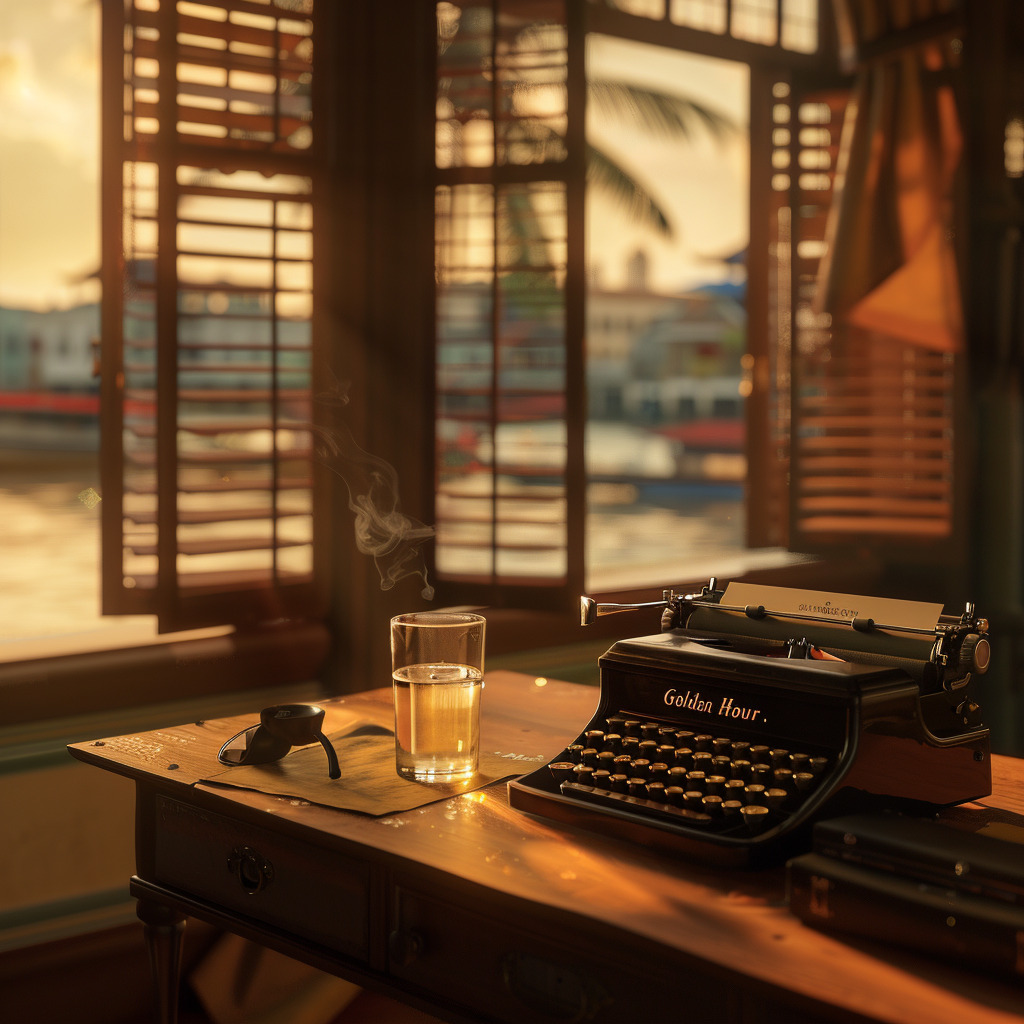

Overhead punkah fans in the Mandarin Oriental’s Authors’ Lounge whir rhythmically, mimicking a steady Remington typewriter’s hypnotic clack. Novelists transcribed the “Golden Age of Travel” into legend amidst aged teak and sharp medicinal gin and tonics. Celebrated 20th-century novelists viewed Colonial Hotels in Southeast Asia as creative colonies rather than mere lodgings. These silver-service sanctuaries provided the necessary vantage point for documenting the colonial order’s slow dissolution.
The Threshold of the Unreal: The Hotel as an Airlock
Southeast Asia’s Luxury Heritage Hotels emerged during the Suez Canal era as the region’s primary social and intellectual hubs. The Armenian Sarkies Brothers often founded these establishments to provide a rigorous framework of British or French formality. This European structure sat in stark contrast to the perceived “formlessness” of the surrounding tropics.
For the resident author, the hotel lobby functioned as a neutral laboratory. These liminal spaces acted as airlocks between rigid Western expectations and the humid, unpredictable reality of the East. The Grand Dame offered intellectual distance for observing rubber planters, disillusioned diplomats, and wandering seafarers without total immersion. Rituals of high tea and evening dress codes protected observers while they recorded the frontier’s rot and romance.
The Sociology of the Verandah
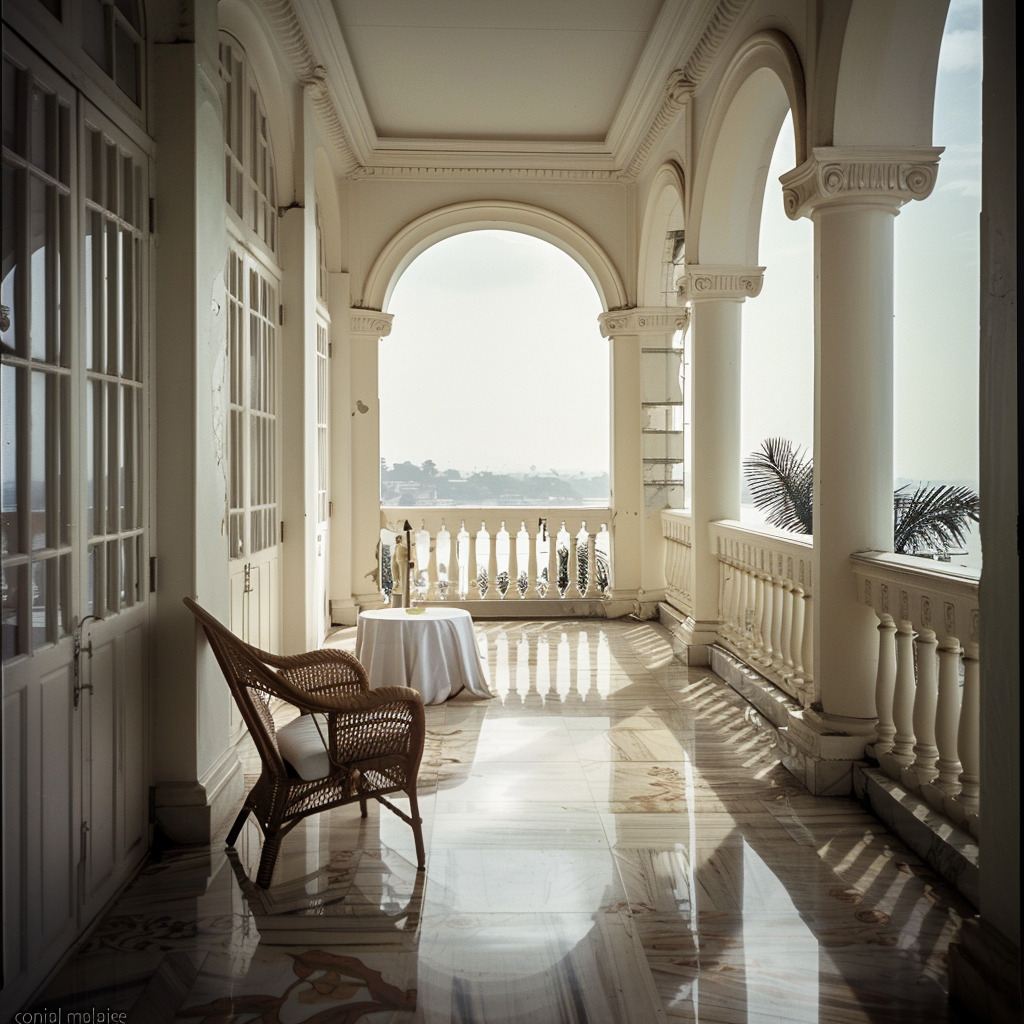
The architectural heart of the literary Grand Dame is the verandah. These transitional verandahs acted as stages for the “Straits Settlement Stare”—a specific, vacant gaze into the horizon. Wide corridors and shaded balconies at Penang’s Eastern & Oriental allowed writers like Rudyard Kipling to observe George Town. The authors observed the chaotic waterfront from a position of starched, silver-service security.
The joinery of these spaces – teak balustrades, louvred shutters, and Italian marble floors – was designed to facilitate the “long-view.” From this vantage point, the observer could remain invisible while the “human comedy” played out in the courtyard below. It was on these verandahs that the “gin-pavit” (gin and bitters) was consumed, serving as the social lubricant for the whispered scandals that would eventually find their way into the short stories of the era. The verandah was the birthplace of the narrative; it allowed the writer to witness the heat of the street without surrendering to its lethargy.
Maugham and the Malarial Muse
W. Somerset Maugham’s relationship with The Mandarin Oriental in Bangkok is defined by a brush with mortality that became a cornerstone of his Southeast Asian narrative. In 1923, Maugham arrived at the riverfront property gripped by a severe malarial fever. Legend suggests the hotel manager, fearing the impact a dead celebrity might have on the hotel’s reputation, initially suggested he be moved elsewhere to avoid the “bad for business” optics of a deceased guest in the original wing.
Maugham survived, and his recovery in the hotel’s breezy corridors birthed The Gentleman in the Parlour. His “usual table” became a site of professional discipline; he used the hotel’s unhurried atmosphere to refine a prose style that captured the “colonial malaise” – that specific melancholy born of isolation, heat, and the fading relevance of Empire.
Heritage Highlight: The Mandarin Oriental preserves the original 1876 wing’s lime-wash patina as a hyper-specific technical detail. This traditional finish allows masonry to breathe in humid riverfront air, unlike modern acrylic paints. The soft, matte texture absorbs harsh tropical light rather than reflecting it. This creates a muted atmosphere for deep concentration, a sensory detail Maugham likely absorbed while drifting.
Conrad’s Abyss and the Sailor’s Bar
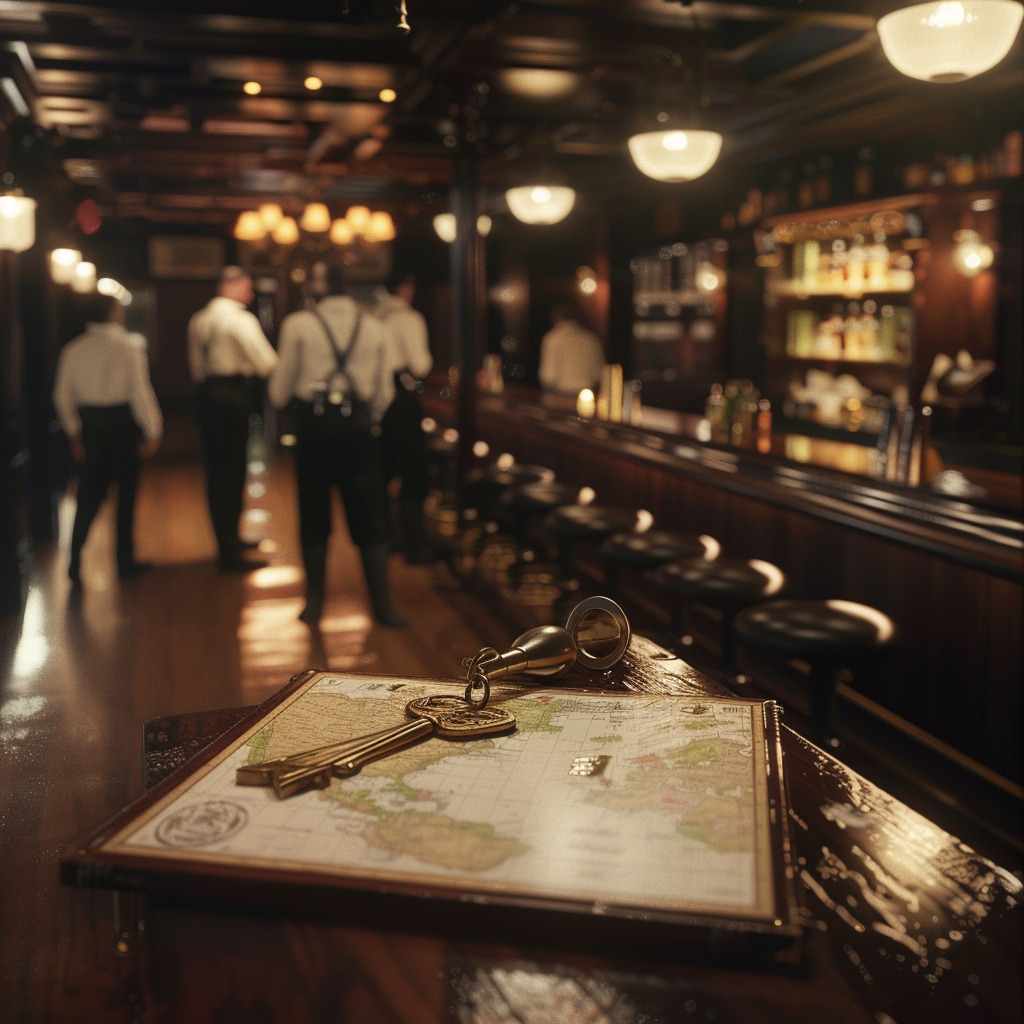
While Maugham occupied the lounge, Joseph Conrad used the Grand Dames as the final vestige of civilisation before traversing the maritime trade routes of the South China Sea. For Conrad, hotels like The Raffles represented a fragile barricade against the “Heart of Darkness.” The heavy brass keys, the starched uniforms of the staff, and the rigid schedule of the dining room were tangible proof of an organised world.
Conrad’s literature often reflects the tension found in the “Long Bar” – the clash between the rough, salt-stained reality of the seafarer and the polished expectations of the colonial elite. The Grand Dame wasn’t just a bed for Conrad; it was a psychological anchor. The contrast between silver hotel service and the formless sea provided friction for Conrad’s existentialist prose. To Conrad, the hotel was the last port where a man’s name still meant something. The ocean’s anonymity eventually swallowed every name.
The Metropole and the Espionage of the Lobby
In Hanoi, the Sofitel Legend Metropole offers a different literary ghost: the transition from glamour to grit. While Noël Coward reportedly drafted Private Lives in a feverish four-day stint at the hotel during the height of its 1930s elegance, it was Graham Greene who redefined the Metropole’s literary legacy for the mid-century.
Greene’s presence in the 1950s signalled the end of the “Golden Age” and the beginning of the era of espionage. The hotel became a pressure cooker of political intrigue. Sensory details shifted from gin-drenched wit to sharp French Gauloises cigarettes and damp Northern Vietnamese winters. The hotel’s physical enclosure and underground bunker provided the setting for The Quiet American. This creative colony hosted spies and war correspondents drinking vermouth while watching the world change.
The Anatomy of a Literary Suite
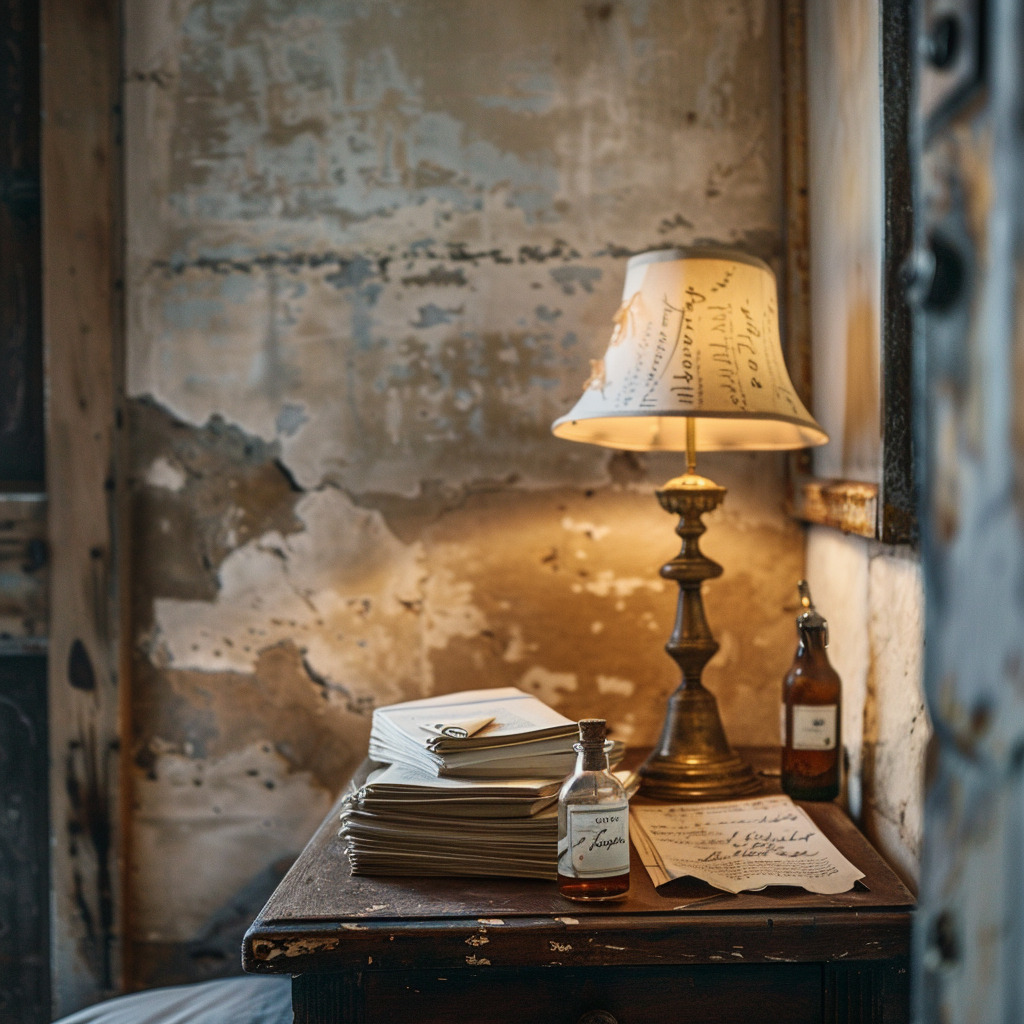
To understand the “creative colony,” one must look at the material culture of the suites themselves. A “Maugham Suite” or a “Greene Suite” is not merely a marketing exercise; it is an archive of specific architectural constraints that aided the writing process during the pre-air-conditioning era.
The Creative Malaise: Why the Grand Dames?
Beyond the luxury, why did these specific properties produce such a staggering volume of 20th-century literature? The answer lies in the friction between the Tropical Luxury and the Colonial Malaise. The hotels provided the comfort required to think, but the surrounding reality – the heat, the political instability, the isolation – provided the conflict required to write.
This “Creative Colony” was a syncretic blend of European tradition and Southeast Asian environment. The authors were not writing about a vacation; they were writing about a world in transition. The Grand Dame was the perfect vantage point for this transition because she was, herself, a monument to a world that was slowly being reclaimed by the jungle and the tide.
The Heritasian Verdict: Living Archives
Today, these properties exist as survivors of a bygone era, maintained through meticulous heritage conservation. For the discerning traveller, visiting the Authors’ Lounge or the Coward Suite is an act of literary archaeology.
History and fiction blend syncretically through the relationship between Grand Dame hotels and the writers who immortalised them. These buildings act as physical vessels for stories that shaped the global perception of the East. To sit at Maugham’s table is to participate in a century-old legacy of observation that refuses to fade.
Archival Reading List for the Lobby:
Literary History of Luxury Hotels FAQS
Why were writers like Maugham and Coward so drawn to these specific hotels?
In the early 20th century, these hotels functioned as “Creative Colonies.” They provided a necessary airlock between the unfamiliar, humid environment of the East and the rigid social expectations of the West. The Grand Dames offered a reliable infrastructure of silver service, libraries, and bars where writers could observe the “human comedy” of colonial life from a position of starched, observational security.
Is the “Authors’ Lounge” at the Mandarin Oriental Bangkok the actual room where Maugham stayed?
The Authors’ Lounge is located in the original 1876 wing, which is the heart of the historic property. While the suites named after Maugham, Coward, and Conrad are located in the River Wing, the Lounge itself is the site of the original hotel lobby and tea rooms. It is the space that most closely retains the “lime-wash patina” and architectural layout that Maugham would have experienced during his 1923 recovery from malaria.
What is “Colonial Malaise,” and how did it influence Southeast Asian literature?
Colonial Malaise refers to a specific psychological state of isolation, boredom, and moral decay experienced by Europeans living in the tropics. Writers used the Grand Dame as a biopsy site to examine this condition. The contrast between the hyper-ordered luxury of the hotel and the perceived “formlessness” of the surrounding jungle created the narrative tension found in works like Maugham’s The Casuarina Tree or Conrad’s Lord Jim.
Can I still stay in the specific rooms where these masterpieces were written?
Yes, many Grand Dames maintain “Literary Suites.” For example, the Sofitel Legend Metropole Hanoi features the Graham Greene Suite, and The Raffles Singapore offers several Personality Suites. However, staying in these rooms is less about the modern amenities and more about “literary archaeology” – occupying the same coordinates where authors like Noël Coward reportedly drafted entire plays in a single feverish stint.
How did the architecture of these hotels specifically aid the writing process?
Before mechanical air conditioning, the “Sarkies-style” architecture – characterised by high ceilings, thick masonry, and wide verandahs – facilitated natural convection. This created the “cool head” required for intensive prose. The heavy mahogany desks found in these rooms were also functional choices, providing a stable, vibration-free surface for the heavy manual typewriters used by 20th-century authors.