
Key Insights
The history of Penang is a study in maritime endurance and geopolitical synthesis. By tracing the island’s evolution from a 1786 mercantile node to a global industrial hub in the Suez Era, we uncover the invisible trade forces that built the “Intellectual Luxury” of the Straits today.
Explore the complete Geopolitical Chessboard topic.
Hydrographic Strategy: The selection of an outpost based purely on its deep-water naval advantages. Captain Francis Light of the British East India Company targeted Penang Island in 1786 because its deep, natural harbour channel sheltered warships from the bay monsoon while offering a strategic repair station to counter French naval movements.
The Fourth Presidency: The elevated administrative status granted to Penang by the East India Company in 1805. This placed the island on an equal political footing with Calcutta, Madras, and Bombay, triggering a massive influx of colonial bureaucrats, institutional architecture, and high-level judicial infrastructure.
Free-Port Franchise: The foundational economic policy established by the British that eliminated all import and export customs duties. By operating as a duty-free haven, Penang rapidly dismantled the mercantilist monopoly networks of the Dutch, drawing regional traders away from traditional ports.
Ethnic Enclave Zoning: The spatial planning system implemented under early colonial administration that divided George Town into distinct, self-governing cultural quarters. This layout consolidated communities along lines of trade and ancestry – such as Chulia Street for South Asian Muslims, Armenian Street, and Chinatown – structuring the city’s multi-ethnic urban topography.
Seaward Grid Infrastructure: The layout of the urban core, where primary administrative halls, mercantile godowns, and banking houses were built on a rigid grid immediately flush with the northern sea wall (Fort Cornwallis and Esplanade), prioritising proximity to arriving ships.
The 1910 Sun Yat-sen Strategy: The historic shift where George Town functioned as the covert Southeast Asian headquarters for the Chinese Revolutionary Alliance (Tongmenghui). The city’s independent, hyper-connected printing presses and wealthy Straits Chinese merchant networks provided the vital financial and logistical backing required to orchestrate the 1911 Xinhai Revolution.
The 1786 Synthesis
The history of Penang didn’t begin with a geographical discovery, but with a calculated geopolitical maneuver. In August 1786, Captain Francis Light landed on the island of Pulau Pinang as a strategic agent for the British East India Company (EIC).
This administrative pivot combined British mercantile ambition with the territorial diplomacy of Sultan Abdullah Mukarram Shah of the Kedah Sultanate.
At the time, the EIC required a strategic naval station and deep-water port to counter Dutch maritime dominance in the Maluku Islands (Spice Islands) and to shelter their fleet during the changing monsoon seasons. Conversely, the Kedah Sultanate sought a military ally to defend against Siamese and Burmese expansion.
The resulting establishment of George Town was a high-stakes gamble that transformed a mangrove-fringed island. Ultimately, it became a primary maritime node along the vital Straits of Malacca.
To understand today’s cultural landscape and heritage preservation, one must recognise that raw mercantile drive. This commercial ambition cleared the initial coastal forests and laid the foundation for modern Penang.
The East India Company Era: The Birth of a Free Port
The genius of the early settlement lay in its status as a “Free Port.” While other regional ports were bogged down by heavy duties, Penang offered an economic vacuum for global capital.
Local authorities implemented this deliberate policy to attract a highly stratified mercantile society. Consequently, diverse traders arrived from across both the Indian Ocean and the South China Sea.
The Grid of Order
The original street grid of George Town – Light, Beach, Chulia, and Pitt – represented more than just urban planning. Instead, it was a physical manifestation of maritime order.
Captain Light designed this grid to facilitate rapid commerce between the jetties and the grand merchant houses. Within these streets, the city’s archival accuracy was first established. Here, British administrators imposed a European administrative layer over a vibrant, tropical landscape.
The Syncretic Migration
The Free Port’s lure drew a diverse array of global actors from across the world. Armenians, Chulia traders, and early Straits Chinese arrived with specific provenance of trade expertise. This was the birth of the island’s syncretic mosaic of cultures. Each group occupied mercantile niches, eventually funding the grand shophouses and clan temples we categorise as heritage.
The 1869 Pivot: The Suez Canal and Global Steam
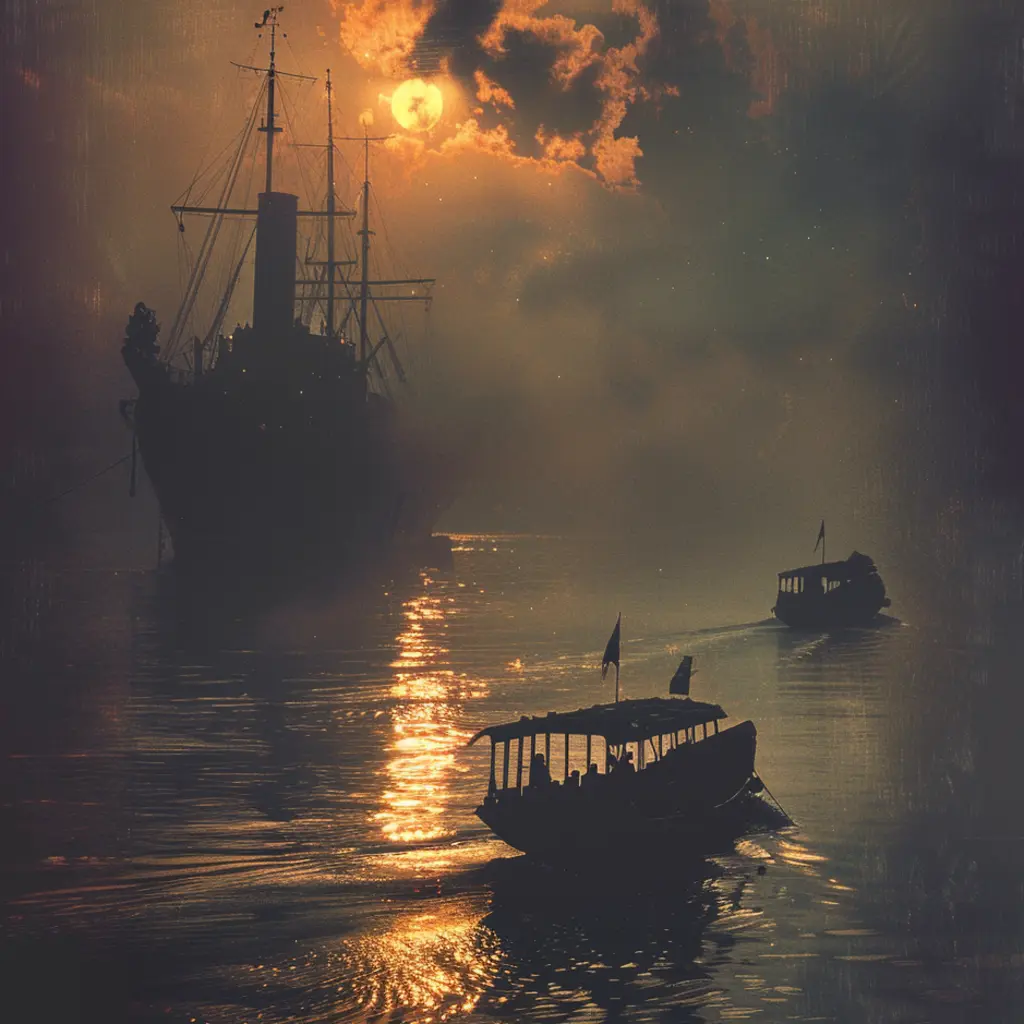
The single most transformative event in the history of the island was the opening of the Suez Canal in 1869. This was the moment Penang transitioned from a regional outpost to a primary global hub. Before the canal, the journey from London to the Straits was a gruelling multi-month voyage around the Cape of Good Hope. Afterwards, it became a journey of mere weeks.
The shift from sail to steam meant that Penang was now part of a continuous, rapid global circuit. This sparked the “Golden Age of Travel,” bringing a new wave of industrial titans, colonial administrators, and high-net-worth travellers to George Town. The influx of capital was unprecedented.
It was this specific era of prosperity that provided the massive financial reserves needed to transition from simple timber dwellings to the hyper-ornate Straits Eclectic mansions that now define the UNESCO zone.
History Highlight: The Rubber and Tin Hegemony
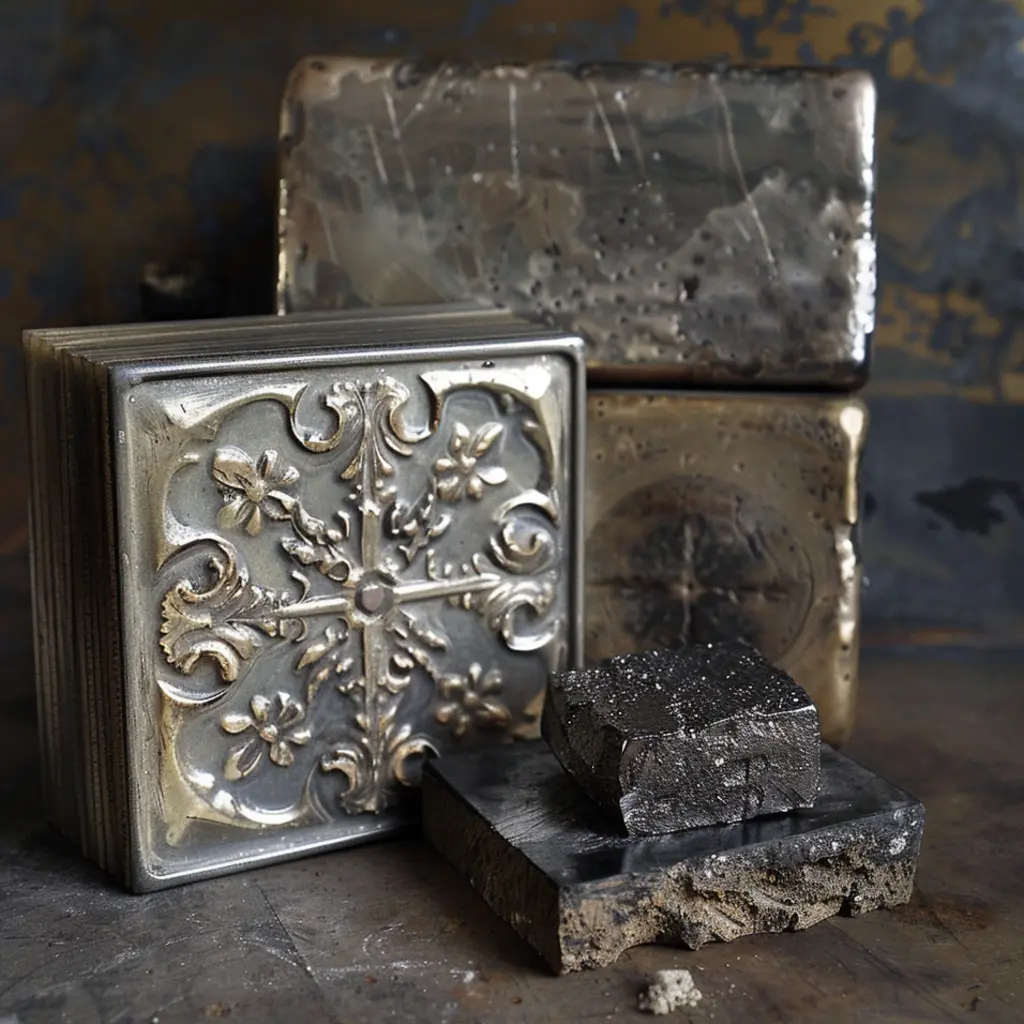
During the late 19th and early 20th centuries, Penang functioned as the financial lungs for the Malay Peninsula’s resource boom.
The Geopolitics of Labour and Diaspora
The wealth of the Suez Era required a massive mobilisation of labour, which further complicated Penang’s historical synthesis. The arrival of thousands of indentured labourers from Southern China and India created a stratified society that lived in the shadow of the mercantile elite.
This diaspora brought with it the “soul and folklore” of their homelands, which were then adapted to the maritime environment of the Straits. This is why we see the rise of the Clan Jetties and the sprawling clan houses such as the Leong San Tong Khoo Kong Si during this period.
These weren’t just religious or social centres; they were mutual-aid societies designed to provide security in a rapidly shifting geopolitical landscape. The history of Penang heritage is, at its heart, a history of survival and cultural preservation in the face of industrial pressure.
Benign Neglect: The Preservation of the Patina
The survival of George Town’s architectural patina is a historical accident born of what scholars call “benign neglect.” After colonial rule and losing Free Port status mid-century, Penang entered a period of economic stagnation. While Singapore and Kuala Lumpur modernised with glass towers, Penang’s heritage vestiges remained largely untouched.
This lack of “progress” inadvertently protected the city’s integrity. The shophouses weren’t restored; they were simply used. When the world valued conservation in the late 20th century, Penang stood as a complete archive of maritime urbanism. This final pivot from a port of commerce to culture culminated in the 2008 UNESCO listing.
The 2008 UNESCO World Heritage listing was the culmination of two centuries of historical endurance. It reframed the island’s “benign neglect” as a global asset. Today, the challenge is maintaining the authenticity of the site against the pressures of high-volume tourism – a transition we call the “UNESCO Renaissance.”
For the discerning heritage traveller, understanding this history is essential. This prevents the city from feeling like a museum and shows it as a living, breathing maritime node. Penang’s “Intellectual Luxury” lives in knowing every carved louvre survived a 250-year-old geopolitical struggle.
Every lime-washed wall reflects a complex history of global trade and regional survival. These elements prove that the island’s heritage is an active part of its modern identity.
The Heritasian Summary: The Verdict on Maritime Power
The history of Penang is a story of maritime endurance and geopolitical pragmatism. The island’s “soul and folklore” are not myths; they are the byproducts of trade wars, industrial booms, and cultural synthesis.
To truly understand the “Intellectual Luxury” of the island, one must look past façades to the trade routes. While northern kingdoms like Chiang Mai developed in isolation, Penang’s identity was forged in the heat of global exposure. One culture refined its vernacular in the mountains while the other was shaped by intense international exchange.
These contrasting histories define how we perceive the sophisticated heritage of each region today. This historical arc ensures that Penang’s heritage remains the definitive regional model for preserving syncretic maritime life.