

Key Insights
Managing property within the Chiang Mai UNESCO Core Zone (383 rai) requires a strategic shift from standard real estate management to heritage stewardship. Owners must navigate strict Lanna-style height restrictions, specific lime-wash material mandates, and the 2026 “Capital of Lanna” conservation guidelines.
This briefing outlines the technical requirements for adaptive reuse and the long-term appreciation potential of “Buffer Zone” investments.
UNESCO Core Zone: The strictly delineated legal boundaries within Chiang Mai’s historic centre—encompassing the moated old city—are subject to maximum statutory protection against architectural alteration, modern skyline development, and structural demolition.
Adaptive Reuse: The architectural and commercial strategy of retrofitting historic, non-operational structures (such as Lanna shophouses or teak compounds) into high-end boutique hospitality or cultural spaces while leaving the original structural envelope intact.
Façade Retention: A preservation mandate requiring property owners to conserve, repair, and maintain the original exterior architectural envelope—including historic plasterwork, rooflines, and timber windows—regardless of internal structural modernisation.
Zoning Incongruity: The operational friction occurring when rigid, decades-old municipal building codes and fire safety regulations clash with the physical constraints of delicate, non-standard timber and brick heritage structures.
Micro-Climate Engineering: The deployment of passive, vernacular cooling strategies—such as open-air courtyards, raised foundations, and breathable walls—to regulate internal temperatures without relying heavily on invasive HVAC installations that compromise structural integrity.
Stewardship Premium: The heightened capital expenditure and specialised artisan labour costs required to maintain a heritage property, offset economically by the asset’s exclusive long-term valuation and alignment with “Intellectual Luxury” tourism.
Disclaimer
Informational Purposes Only: The content of this guide, including discussions on tax incentives, Board of Investment (BOI) privileges, and property valuations, is provided for general informational and educational purposes only. It does not constitute legal, financial, or investment advice.
No Guarantee of Results: While the 2026 UNESCO Management Plan and Thai tax laws are cited accurately as of the date of publication, government policies and eligibility criteria for incentives (such as the 90% tax reduction or BOI holidays) are subject to change and individual approval.
Due Diligence Required: Readers are strongly advised to perform their own due diligence and consult with qualified legal, tax, and real estate professionals licensed in Thailand before making any financial commitments or property acquisitions. Heritasian and its authors are not responsible for any financial losses or legal complications arising from the use of this information.
The administrative journey of the official nomination dossier, “Chiang Mai, the Capital of Lanna,” has entered its critical operational phase at the World Heritage Centre in Paris. With ICOMOS inspectors scheduled to begin rigorous on-site evaluations of the city’s structural assets – ranging from the 13th-century masonry of the Tha Phae Gate to the historic timber architecture of Wat Phra Singh – the municipality faces an intense period of international scrutiny.
For the owners of Chiang Mai’s private heritage residences and high-value plots along the historic moat, this evaluation period represents a profound regulatory and financial shift. As the World Heritage Committee approaches its definitive evaluation cycle, the impending transition from a localised tourism hub to a formally designated UNESCO World Heritage Site is reshaping the regional real estate landscape into a complex, high-stakes game of asset management and preservation compliance.
The Ghost in the Machine: Beyond the “Museum” Myth
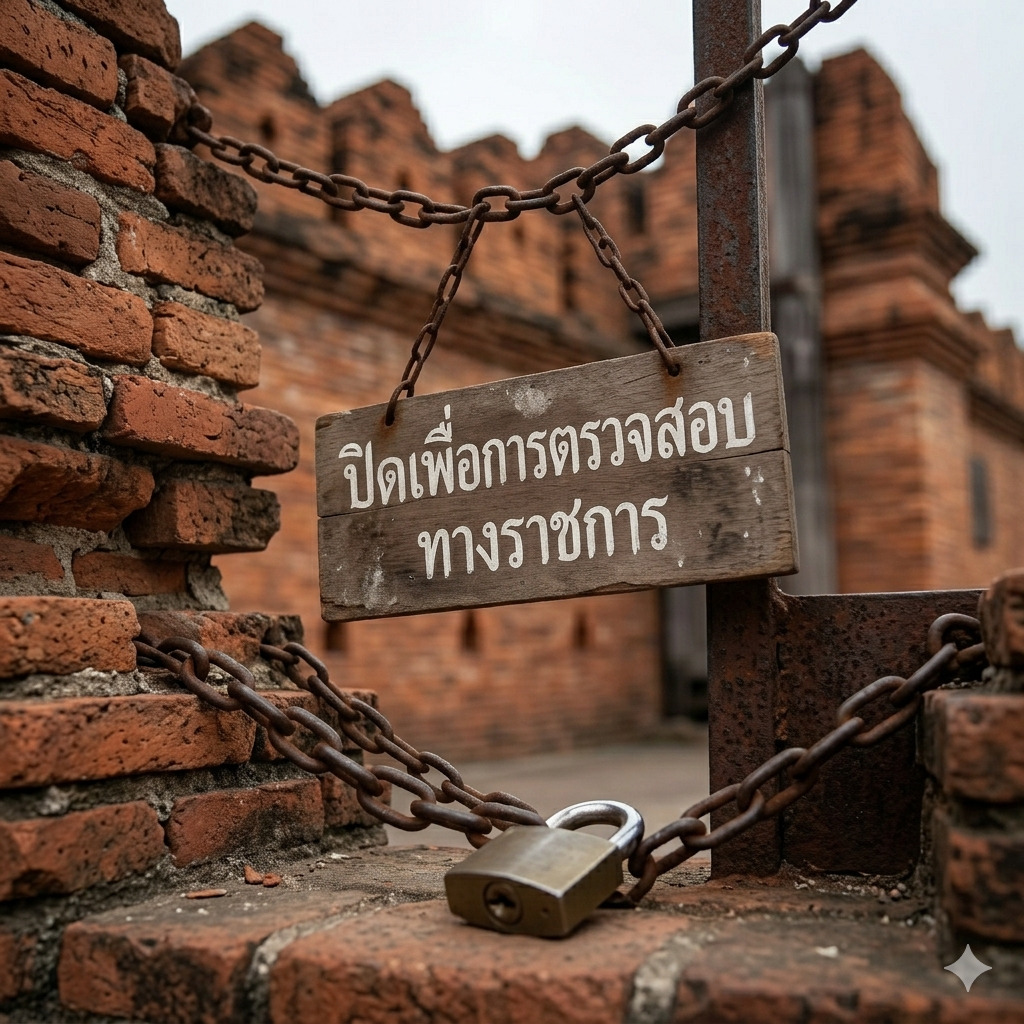
The biggest fear whispering through the Nimman coffee shops and the riverside galleries is “museumification.” Landlords worry that UNESCO status will turn the Old City into a hollow shell – a place where you can’t hammer a nail or fix a leaky pipe without a permit signed in triplicate by a bureaucrat in France.
The Reality: UNESCO doesn’t pass laws; they set expectations. Chiang Mai is being nominated as a Cultural Landscape. This is a vital distinction. Unlike the “dead” ruins of Sukhothai, a Cultural Landscape is meant to be lived in. However, that “living” comes with a spiritual and architectural manual.
The Royal Anecdote: Legend says King Mangrai founded Chiang Mai in 1296 only after scouting for “auspicious omens.” He chose this exact plain because he witnessed two white barking deer and a family of five white mice chasing away a pack of predators. To Mangrai, the land itself had a “soul” (Kwan).
The Modern Property Lesson: In 2026, the UNESCO bid seeks to protect that “soul.” If you own property in the 383-rai Core Zone, you’re no longer just a landlord; you’re a custodian of a “Victorious City” (Chaiyanakorn). Your renovations must now respect the “human figure” city plan, where specific gates represent the head, stomach, and feet of the city. Modernity is allowed, but it cannot sever the city’s spiritual “umbilical cord.”
The “UNESCO Premium”: Property Values vs. the “Height Trap”
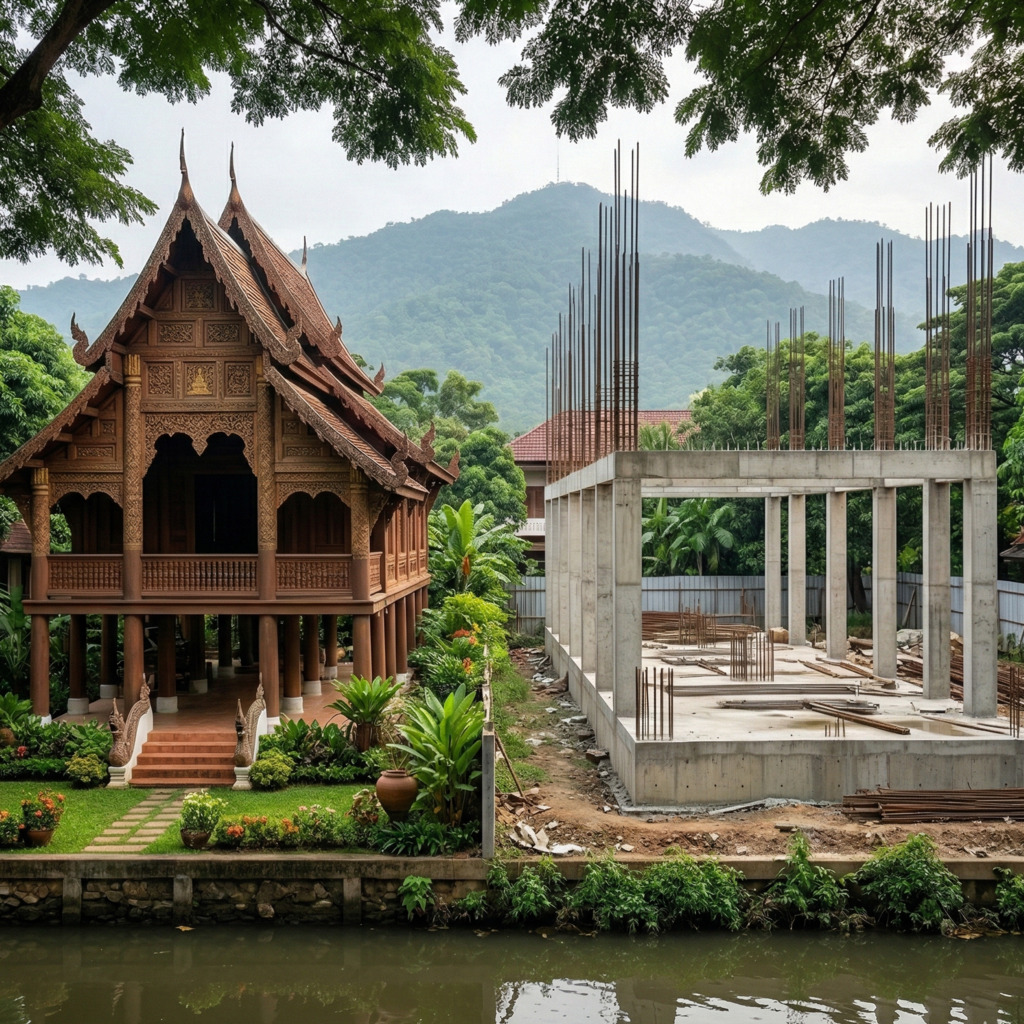
Historically, UNESCO status is a rocket booster for real estate. In George Town, Penang, land values in the core zone rose by over 300% within the first decade of inscription. In Chiang Mai, we’re already seeing “UNESCO speculation” driving up land prices within the Moat by 15–20% in anticipation of the November announcement.
The Scarcity Play
If you own a heritage asset – a 100-year-old shophouse or a teak “Khum” (villa) – you’re sitting on a finite resource. Once the UNESCO seal is applied, the supply of “certified” heritage assets is locked. You own a piece of a 730-year-old brand that a developer in Bangkok cannot replicate.
The “Height Trap” for Developers
But here’s the sting for the speculators: if you own an empty plot in the Buffer Zone, your “Air Rights” are under immediate threat. To protect the “skyline integrity” and the sacred view of Doi Suthep, the 2026 Management Plan has slashed height limits. New buildings in certain corridors are being capped at 12 meters (3 stories).
If you bought that land with the intention of planning an 8-story luxury condo, your ROI just evaporated. In the new economy of Chiang Mai, a clear view of the mountain is worth more to the city than a hundred high-rise balconies.
The Financial Carrot: Turning Teak into Gold
Restoring a century-old teak mansion is, frankly, a money pit – unless you know which Thai government doors to knock on. The 2026 incentive package is the most aggressive in Southeast Asian history, designed to prevent the “decay of neglect.”
1. The BOI “Golden Ticket”
The Board of Investment (BOI) has designated heritage conservation as a “Category A” priority.
2. Slashing the Property Tax
Thailand’s Land and Building Tax (B.E. 2562) was designed to punish “lazy” land.
The “Heritage Tax”: The Hidden Cost of Authenticity
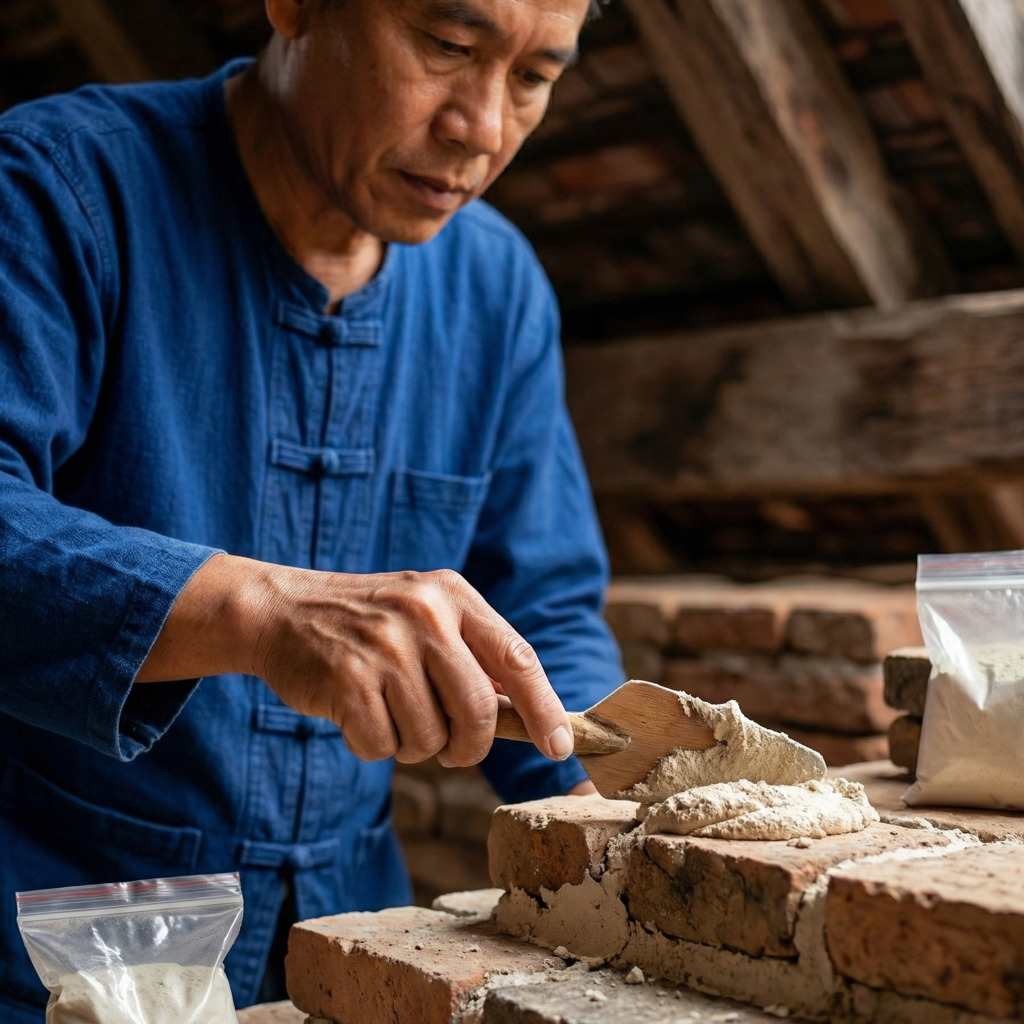
There is no such thing as a free lunch in the Lanna Kingdom. The “Heritage Tax” isn’t a bill from the government; it’s paid in the price of lime, sand, and the fading skills of master craftsmen.
The Scientific Fact: You cannot use modern Portland cement on ancient Lanna bricks. Modern cement is “hard” and waterproof; ancient bricks are “soft” and porous. When the sun hits a cement-patched wall, the moisture trapped inside the bricks cannot escape. The steam literally explodes the brick from the inside out.
The Practical Cost: UNESCO inspectors mandate the use of traditional lime-sand mortar. It’s expensive, it requires specialised artisans known as Sla, and it takes weeks to cure, compared to hours for concrete. If you try to skip this and use “Quick-Set” to save money, the Fine Arts Department can issue a permanent “Stop Work” order that remains as a “red flag” on your property title for decades.
The Teak-Wallahs and the Ghost of the Borneo Company
To understand why property values here are so resilient, we must look at the “Teak-Wallahs” of the late 1800s. British firms like the Borneo Company built the massive teak compounds – like the one that is now 137 Pillars House – not just for luxury, but to showcase the power of the timber trade.
The Anecdote: Legend has it that the number of pillars in a house was a direct reflection of the owner’s wealth and status. 137 pillars was an astronomical feat in the 1880s.
Today, property owners are finding that these “Teak-Wallah” legacies are the golden geese of 2026. A property with a story – especially one involving the colonial-era timber boom or royal Lanna drama – can command a 40% higher nightly rate than a modern hotel with five times the amenities. In Chiang Mai, you aren’t selling a room; you’re selling a time machine.
The Great Risk: De-listing and the “Liverpool Warning”
The ultimate threat to your investment isn’t the tax man; it’s the loss of the “Quality Seal.”
For a property owner, delisting is a catastrophe. It signals to the international market that the city’s “brand” has been diluted. The “UNESCO Premium” would vanish overnight, leaving investors with high-maintenance buildings and zero tax breaks.
The Heritasian Take: From Landlord to Steward
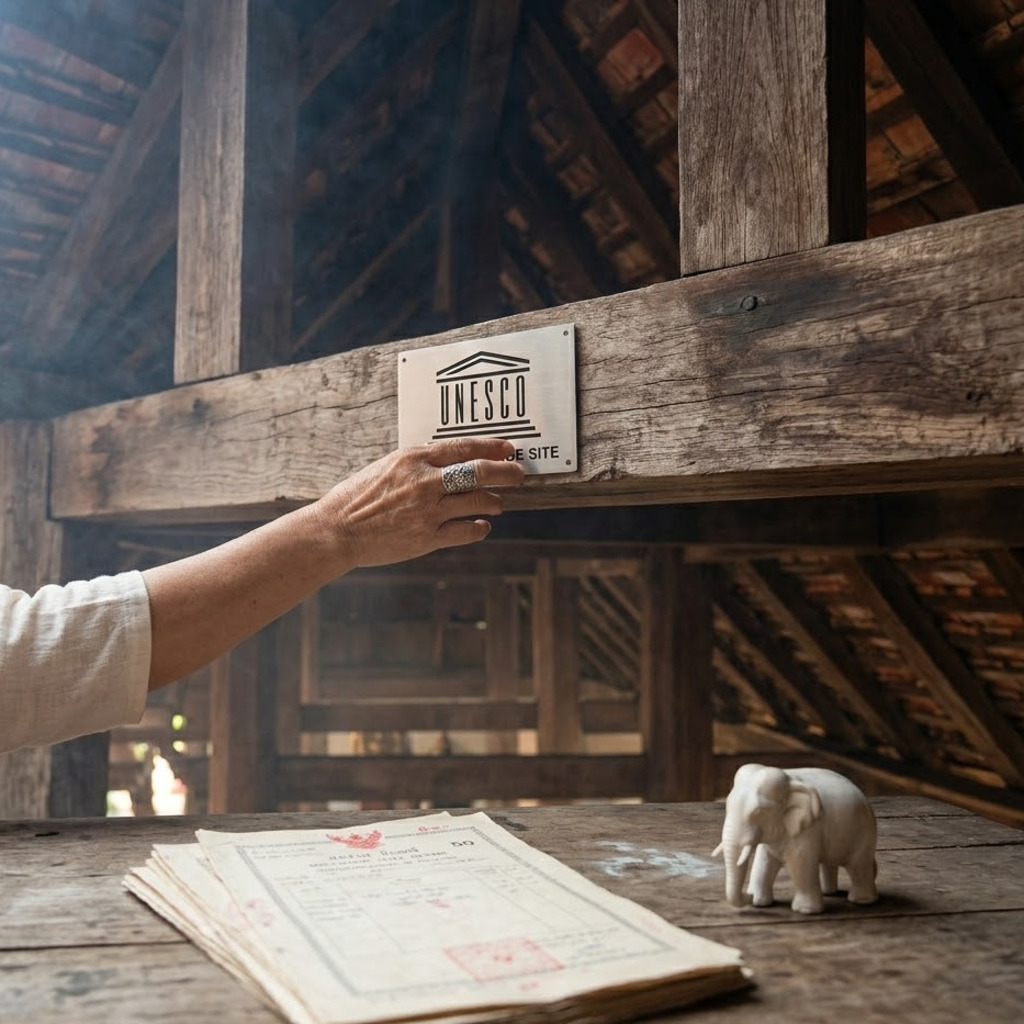
As we wait for the June inspection, the message for Chiang Mai’s property elite is clear: Heritage is now a regulated financial asset. The days of “buying and holding” a crumbling shophouse are over. To survive the 2026 transition, you must move from being a landlord to a steward.
The 2026 Stewardship Strategy:
The UNESCO bid is Chiang Mai’s “Coming of Age” ceremony. For those who play their cards right, it is a once-in-a-century opportunity to turn historical debt into a future-proof legacy.