
Key Insights
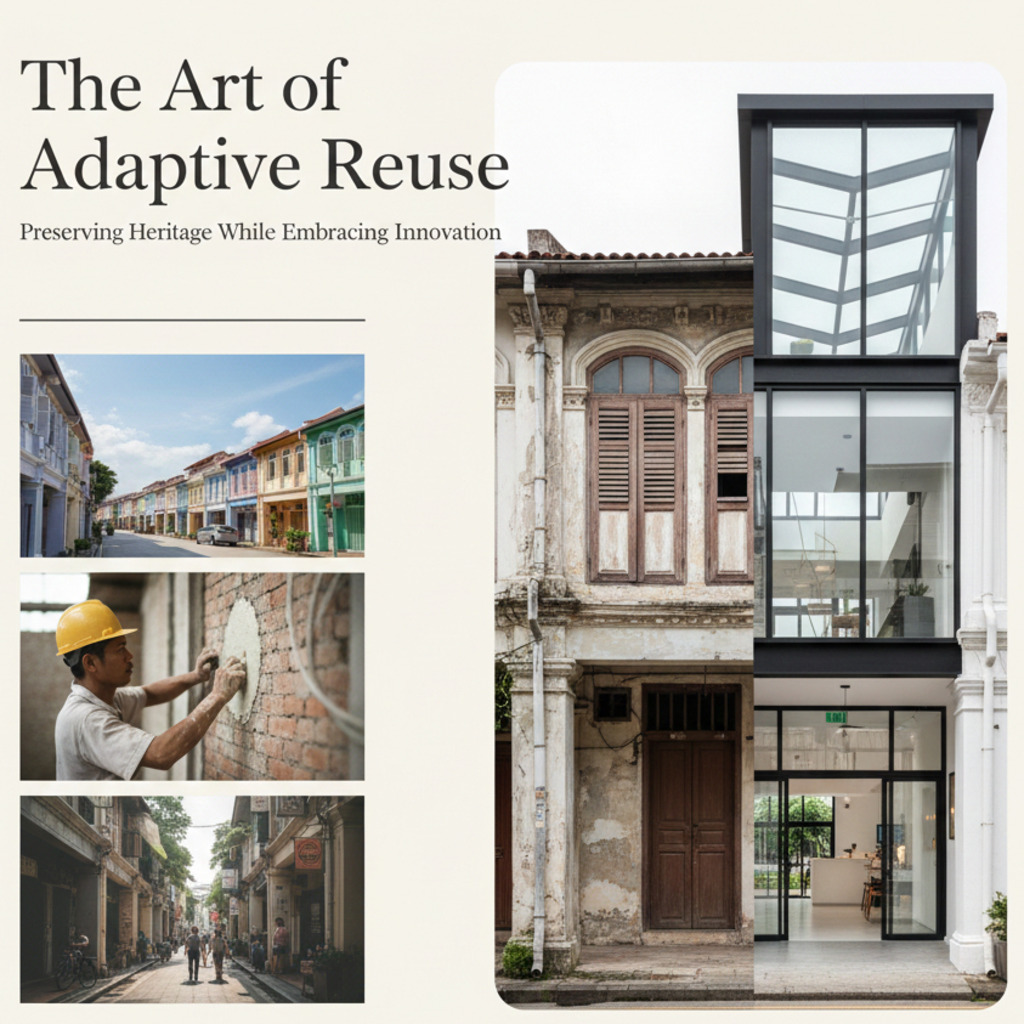
Adaptive reuse is the “healing” of historic structures, where derelict stables, warehouses, and mansions are repurposed for modern luxury without erasing their original soul. By preserving “architectural scars” and utilising traditional materials like lime-wash and timber joinery, these hotels avoid the sterile feel of modern builds.
This approach ensures that heritage remains a living, participatory experience rather than a stagnant museum display.
Explore the complete Connoisseur’s Heritage Stay topic.
Adaptive Reuse: The design methodology of retrofitting a historic, non-operational building into a functional, revenue-generating property (such as converting a warehouse or mansion into a boutique hotel) while leaving the original structural envelope and architectural bones intact.
Facadeism: A contentious preservation approach where only the exterior street-facing wall of a historic building is conserved, while the entire interior structure is completely demolished and replaced with modern concrete. Authentic adaptive reuse strictly rejects facadism in favour of total structural conservation.
Reversible Intervention: A core conservation principle dictating that any modern addition—such as an elevator shaft, bathroom pod, or structural brace—must be designed and installed in a way that allows it to be removed in the future without causing permanent damage to the original historic fabric.
Patina Preservation: The deliberate choice to clean, stabilise, and retain the authentic signs of physical aging, weathered surfaces, and historic wear on timber, stone, or brick walls, rather than scrubbing them down or painting them over to look brand new.
Material Splicing: A highly skilled timber conservation technique where rotting sections of ancient, load-bearing pillars or beams are carefully cut away and replaced by matching pieces of aged hardwood, secured using traditional joinery rather than invasive steel bolts or concrete jackets.
Architectural Authenticity Premium: The long-term economic and branding value gained by a heritage property through meticulous, historically accurate restoration. This authenticity serves as the primary asset that attracts high-spending travellers looking for “Intellectual Luxury” over mass-market hospitality.
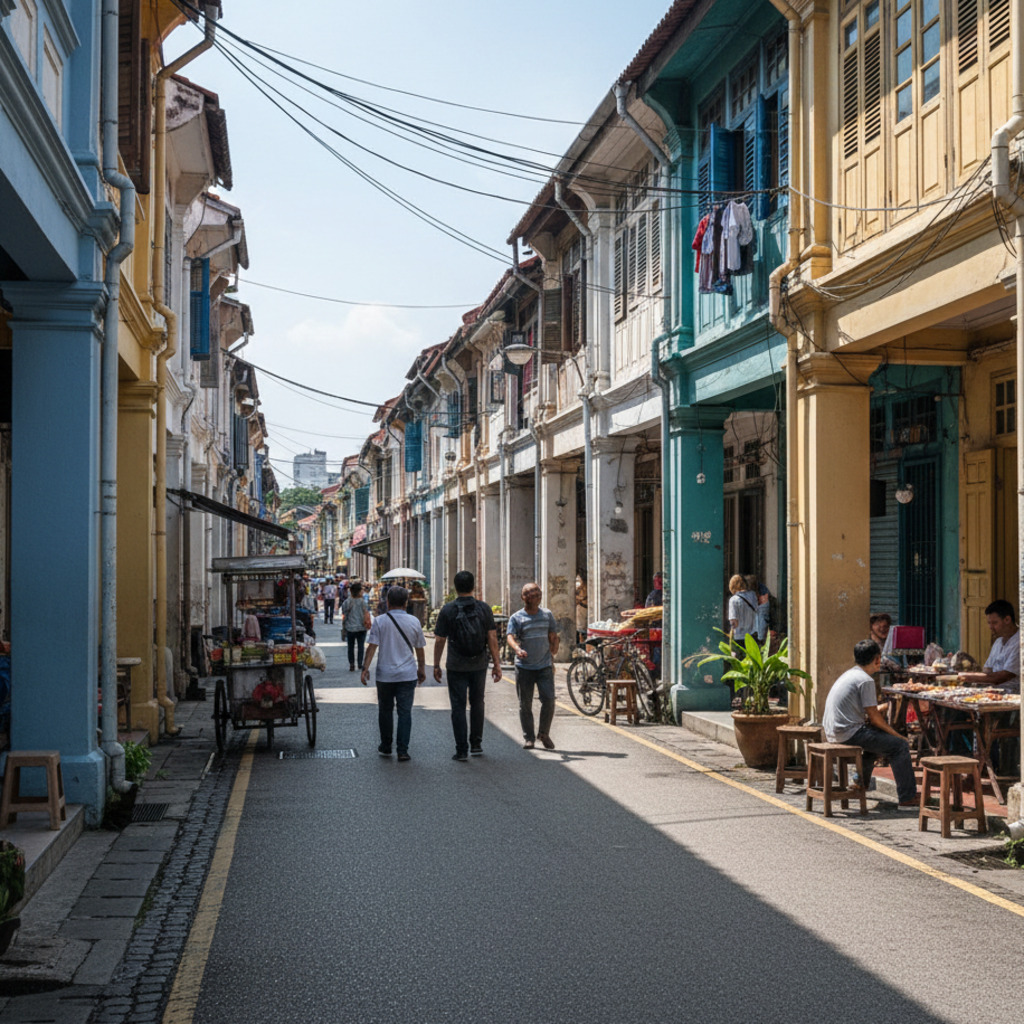
Southeast Asia possesses a deeply distinctive architectural treasure: the historic shophouse. These buildings operate as far more than mere physical structures; they are the tangible artifacts of a complex colonial trade past that continue to function as the vibrant soul of the modern Asian city.
Lining the continuous streetscapes of George Town, Singapore, and Hoi An, they serve as living time capsules. In many of the region’s historic urban centres, these fascinating structures represent a vast portion of the active housing stock and form the backbone of the local architectural heritage.
The foundational philosophy of adaptive reuse is straightforward yet profound: it is a conscious commitment to extending a historic building’s functional life. It requires refusing the easy, destructive option of urban demolition, choosing instead to embrace structural transformation with deep cultural respect.
This process embodies the truest spirit of architectural sustainability. Adaptive reuse actively conserves the embodied energy – the initial carbon and physical labour locked within the original timber, brick, and lime mortar – while breathing new, economically viable life into aging structures, preventing valuable urban corridors from decaying into blight.
Embracing this building philosophy is vital for the region, delivering unique cultural and commercial value by proving that a city’s past can successfully fund its future.
The Environmental and Economic Case for Adaptive Reuse
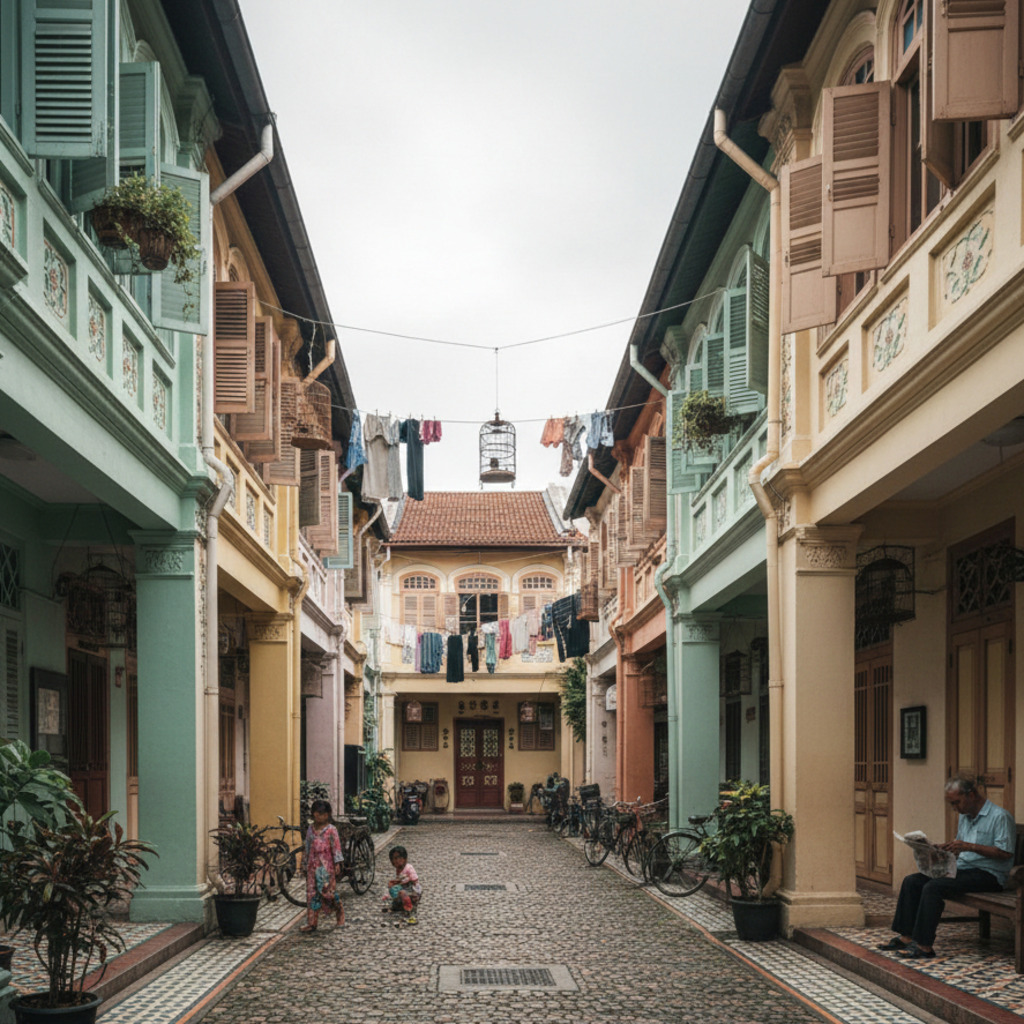
The decision to embark on an adaptive reuse project such as that at Muntri Mews in Penang is increasingly driven by environmental necessity and savvy economics. The construction industry accounts for a significant portion of global emissions. Therefore, minimising environmental impact is paramount.
Lowering the Carbon Footprint
The most compelling argument for adaptive reuse is the drastic reduction in carbon footprint. Studies consistently show that the majority of a building’s carbon footprint is incurred during its construction, not its operation. By utilising existing infrastructure, intensive manufacturing and transportation are avoided. Saving the structure is a massive sustainable practice.
This form of building reuse is faster, generates less waste, and requires less new building material. Historical preservation directly translates into lower embodied carbon. Every successful reuse project contributes to a greener urban landscape.
The Housing Opportunity
Beyond heritage hospitality, adaptive reuse is critical to addressing urban housing shortages. Shophouse residential conversion programs in cities like Singapore have proven successful, transforming underutilised commercial spaces into desirable, centrally located housing. This provides new life for buildings and revitalises neighbourhoods. Architecture focused on conversion offers diverse housing solutions. This successful reuse project model creates a blueprint for urban renewal.
The Financial Incentive
While initially complex, an adaptive reuse project often offers superior long-term returns compared to new construction. The speed to market can be faster, and the premium commanded by genuine historical architecture justifies the initial engineering costs. This adaptive reuse approach capitalises on irreplaceable architectural heritage.
The Battleground of Codes: History vs. Modernity
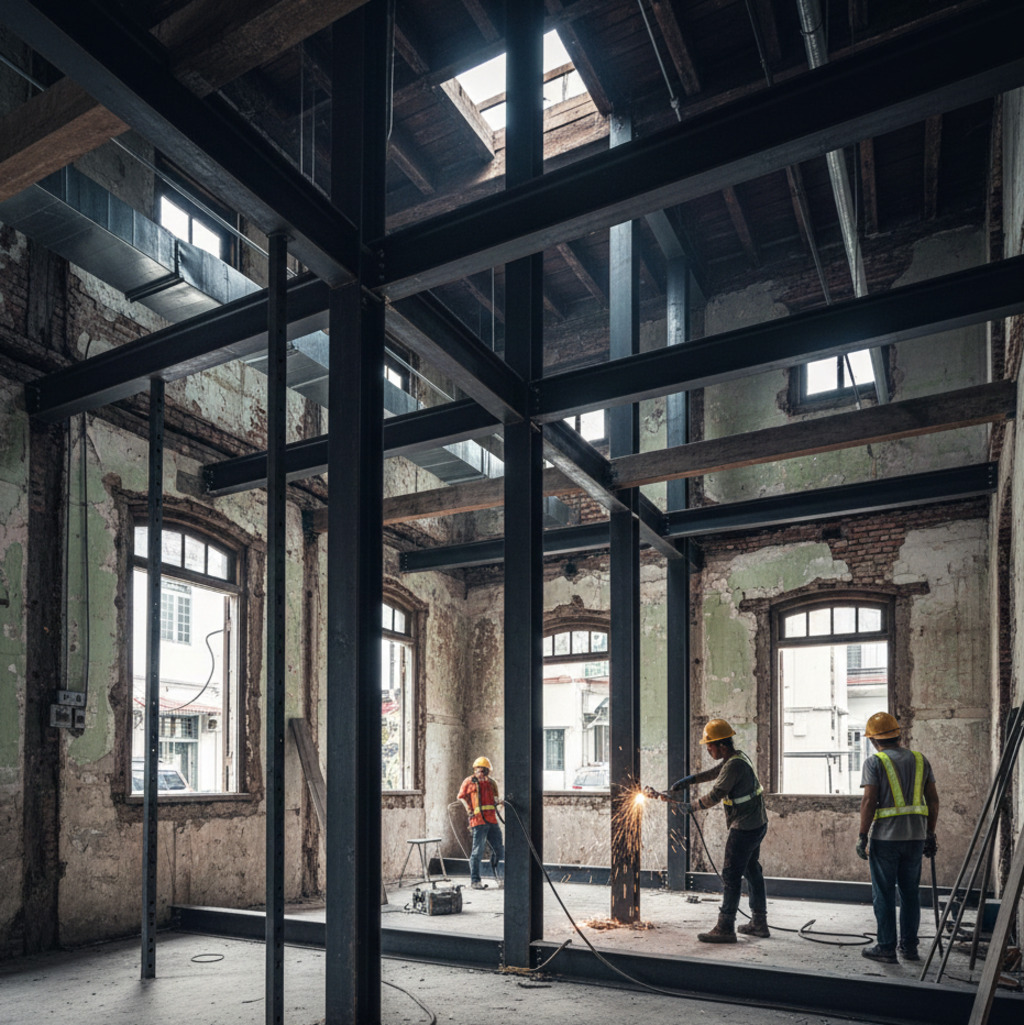
The conversion process immediately enters a minefield of compliance. Architects must navigate a constant tension between historic preservation mandates and contemporary building law. The conflict between historical preservation goals and modern safety standards defines the challenge of adaptive reuse architecture.
The Conservation Conflict and Technical Tension
Preservation guidelines are specific, demanding the retention of original, low-strength materials like lime plaster. This creates friction with the demands for enhanced energy efficiency and fire safety. The architect must innovate. For example, retaining the façade while inserting high-performance insulation internally is a frequent compromise. Historical preservation often requires expensive and specialised labour. Every reuse project demands unique solutions.
The Structural and Functional Dilemma
The original structures were built for simpler, less dense occupation. Modern contemporary needs for high occupancy, robust loading, and advanced safety systems (like sprinklers and modern exits) clash with the narrow footprint.
The architect and engineers must develop creative reinforcement solutions. This involves inserting internal steel skeletons or employing sophisticated timber splicing techniques to maintain the integrity of heritage buildings.
This is the essence of adaptive reuse architecture: delivering modern functionality within a fragile historic shell. Ensuring the resulting structure is a compliant, functional space is paramount. This complex reuse project demands precision.
Invisible Integration: Modern Services and Contemporary Needs
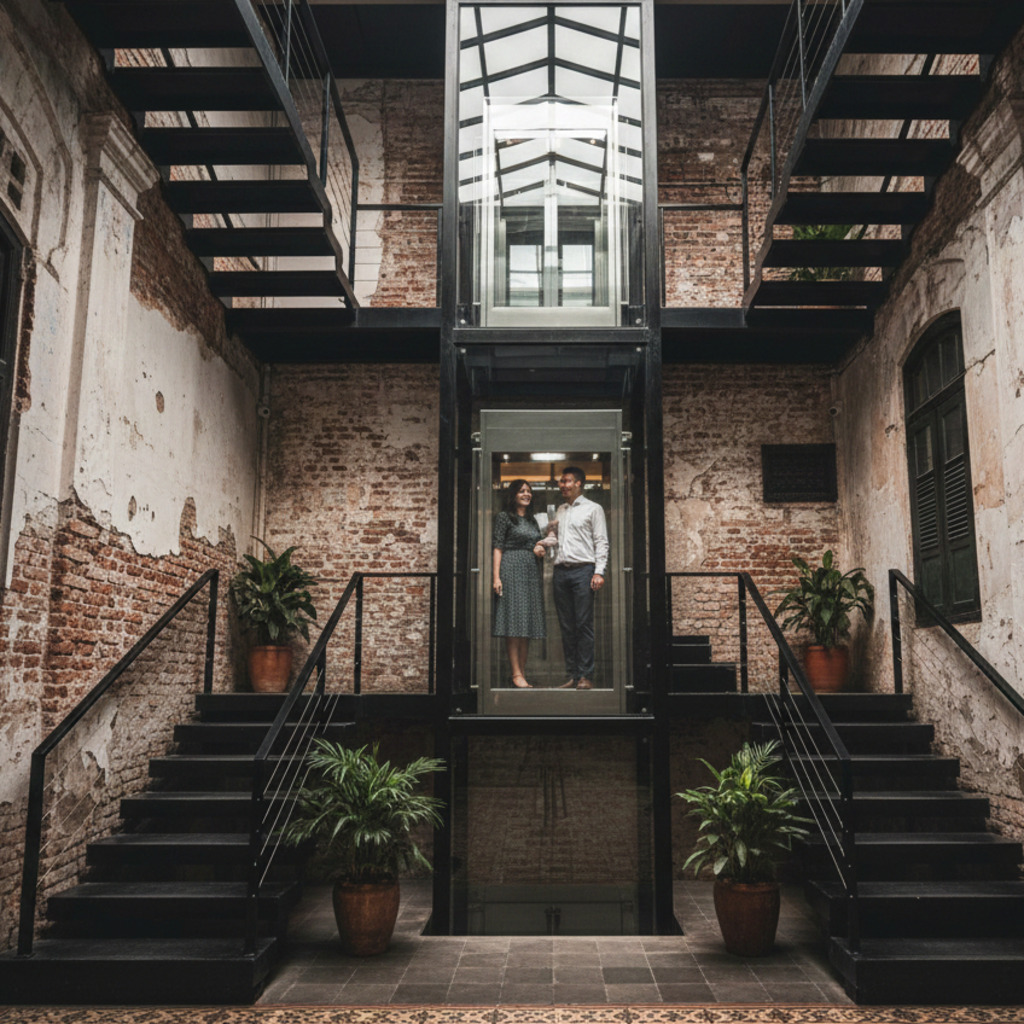
Delivering the highest level of comfort and energy efficiency without visually compromising the architectural heritage is where the architectural design truly shines.
Achieving Energy Efficiency and Modern Functionality
Modern guests expect a world-class experience; therefore, advanced energy efficiency is non-negotiable. Architecture must integrate high-performance glazing discreetly behind original shutters and employ cutting-edge Variable Refrigerant Flow (VRF) systems.
Routing bulky HVAC ducts using ultra-flat, low-profile ducting through minimal spaces is critical to preserving ceiling height. This delicate reuse project demands detailed planning. Historical preservation cannot fail on comfort.
Soundproofing and Modern Functionality
The acoustic challenge is severe due to the naturally high acoustic permeability of old shophouse walls. Achieving the required functional space demands internal drywall systems mounted on resilient channels and high-density insulation. This system must be inserted without disturbing the historic load-bearing walls.
This is how we inject modern functionality into the building’s core, ensuring the housing remains quiet and comfortable. This successful adaptive reuse is reliant on these invisible interventions. The architectural design must account for every millimetre of space.
The Importance of Building Reuse
The extensive use of the existing infrastructure for services—repurposing the air-well for vertical transportation—is a hallmark of responsible building reuse. This type of reuse project minimises disturbance to the building material and offers a clear pathway to a highly functional, safe, and luxurious housing unit. This architecture provides premium value.
Juxtaposition and Celebration: The Dialogue of Old and New
The philosophy of adaptive reuse is to create an honest dialogue between eras. New additions should utilise modern materials like steel and glass to prevent them from masquerading as historic elements.
Revealing the Past
Methodical techniques, such as careful sandblasting to reveal the raw brickwork and treating original timber with natural oils, ensure that the patina of history is celebrated. This act of revelation reinforces the value of historical preservation. Every exposed element tells a story. This successful reuse project relies on this transparency.
The Iconic Intervention
The Glass Lift in the Air-Well is a perfect example of this. It utilises a traditional, non-structural void to introduce vertical circulation (a necessary contemporary need) in a stunningly clear manner. This adaptive reuse solution is functional and beautiful. This historical preservation strategy enhances the experience of the housing. This sophisticated reuse project turns necessity into art.
The Human Element: Emotional Resonance and Commercial Success
The final goal of every adaptive reuse project is to create a unique and economically viable asset. This form of adaptive reuse creates unparalleled value.
The Value of Authenticity
The discerning guest pays a premium for the experiential luxury of genuine architectural heritage. Choosing one of these heritage buildings is a conscious rejection of the “anywhere hotel” aesthetic that results from typical new construction. The commitment to historical preservation translates into superior market positioning. This makes the housing unique.
Environmental Leadership and Sustainability
By championing sustainable practice, the hotel communicates a powerful message. Reducing environmental impact and significantly lowering the carbon footprint is an increasing driver for corporate and luxury travel. This form of adaptive reuse is a public statement of responsibility. This reuse project demonstrates that high-end hospitality and sustainable practice are not mutually exclusive.
The Enduring Legacy
Ultimately, the successful residential conversion of these shophouses ensures they transition into resilient, iconic assets. This continued building reuse is vital for the future of urban housing. This adaptive reuse strategy ensures these beautiful examples of architecture survive.
Every successful reuse project guarantees these unique buildings continue their narrative. This form of historical preservation provides the highest possible return: a rich, shared architectural heritage for future generations.
The Heritage Lover’s Choice: A Final Statement
For the true heritage lover, choosing an adaptive reuse shophouse is a conscious act of architectural reverence and a profound rejection of the generic. It is an investment in tangible history: a chance to trace the original patina of raw brickwork, feel the grain of a restored wooden truss, and inhabit a space where the scent of old lime plaster mixes with the subtle modernity of low-profile HVAC.
This choice means more than luxury; it means immersing yourself in the city’s unbroken narrative, experiencing a scale of housing and hospitality that is uniquely intimate and authentic, and actively participating in the sustainable regeneration of Southeast Asia’s most characterful heritage buildings.
You are not just a guest; you are a temporary guardian of a living, breathing artefact, ensuring its story continues through committed historical preservation.