
The global travel industry is currently obsessed with “Intellectual Luxury”—the idea that a traveller’s most valuable souvenir is a deep understanding of a culture’s provenance.
For the last decade, Malaysia has successfully sold the “Straits Settlements” narrative. We have turned the shophouses of George Town and Melaka into world-class heritage assets. But as these hubs reach a “saturation point” of gentrification, a strategic question emerges: Where is the next frontier for authentic Malaysian hospitality?
The answer lies in the Royal Towns.
Cities like Kuala Kangsar, Alor Setar, Sri Menanti, and Kuala Terengganu represent a “vernacular soul” that remains largely untapped by the high-end global market.
The Architecture of Continuity
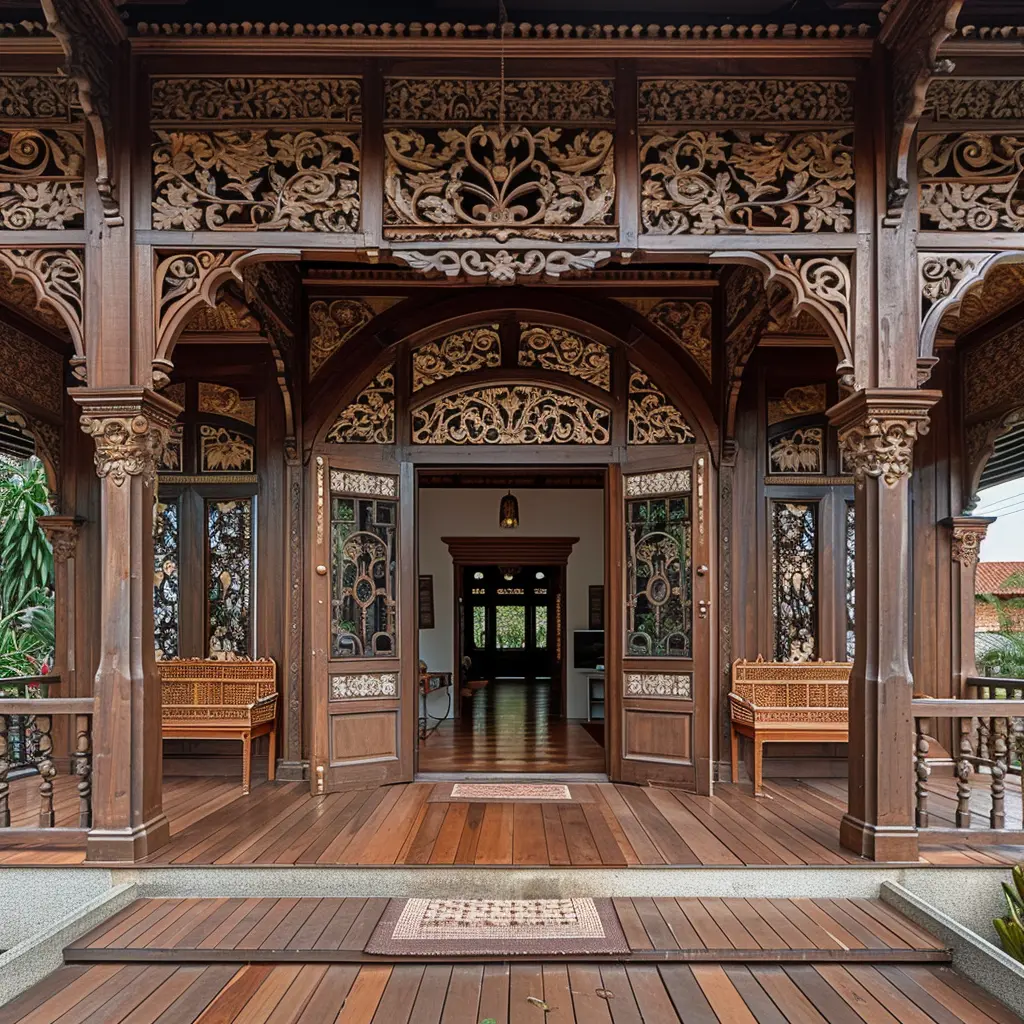
To the untrained eye, heritage is often synonymous with colonial brick and mortar. However, the true architectural identity of Malaysia is found in its vernacular timber traditions.
In the Royal Towns, we see a masterclass in climate-responsive design that predates modern “green building” metrics by centuries.
The “Sovereign” Luxury Gap
Despite this rich architectural inventory, the Royal Towns face a “Luxury Gap.”
While tourists in Phuket or Bali can stay in restored villas that respect local aesthetics, visitors to Malaysia’s Royal heartlands are often met with “functional” concrete hotels or glass-and-steel blocks that ignore their surroundings.
A strategic branding error is occurring: we are treating our Royal Towns as administrative pit-stops rather than heritage destinations.
To bridge this gap, we must look at Adaptive Reuse. The conversion of traditional timber palaces or aristocratic “Manors” into boutique heritage stays is not just a preservation tactic; it is a high-yield investment. The “Intellectual Tourist” does not want a standardised five-star experience; they want to sleep within the history of the Perak Sultanate or the House of Jamalulail.
The Strategic Outlook for 2026
In the Malaysian tourism strategy, the narrative must shift. We cannot rely solely on the “Big Three” (KL, Penang, Langkawi).
The “Royal Town Strategy” offers three distinct advantages:
The Verdict
The future of Malaysian heritage tourism is not in the “new,” but in the “authentic old.” By elevating our Royal Towns from regional secrets to global heritage benchmarks, we move away from mass-market tourism and toward a sustainable, high-value model.
Heritage is Malaysia’s most significant cultural export. It is time we treated our Royal vernacular with the same commercial and strategic respect as our colonial urban centres.