
Key Insights
Forged in the environmental adversity and geographic isolation of Northeast Thailand, Isan cuisine relies on resourcefulness. It eschews central Thai sweetness for a lean, intense profile rooted in long-term fermentation, wild foraging, and sticky rice.
This survivalist gastronomy eventually migrated to Bangkok, reshaping the nation’s street food landscape.
Khao Niao: Dense, slow-digesting glutinous sticky rice; the foundational cultural and nutritional anchor of Isan dining.
Pla Ra: A sophisticated biopreservation engine made of freshwater fish fermented with salt and ground rice bran.
Khao Khua: Toasted, ground rice bran utilised in traditional food preservation and flavouring mixtures.
Khai Mod Daeng: Weaver ant larvae harvested in the dry season, providing clean formic acid to dishes.
Dee: Fresh cow bile is used intentionally to introduce a sharp, functional bitterness that cuts through meat fat.
Kratip: Woven bamboo baskets designed to hold sticky rice, allowing steam to escape while keeping grains moist.
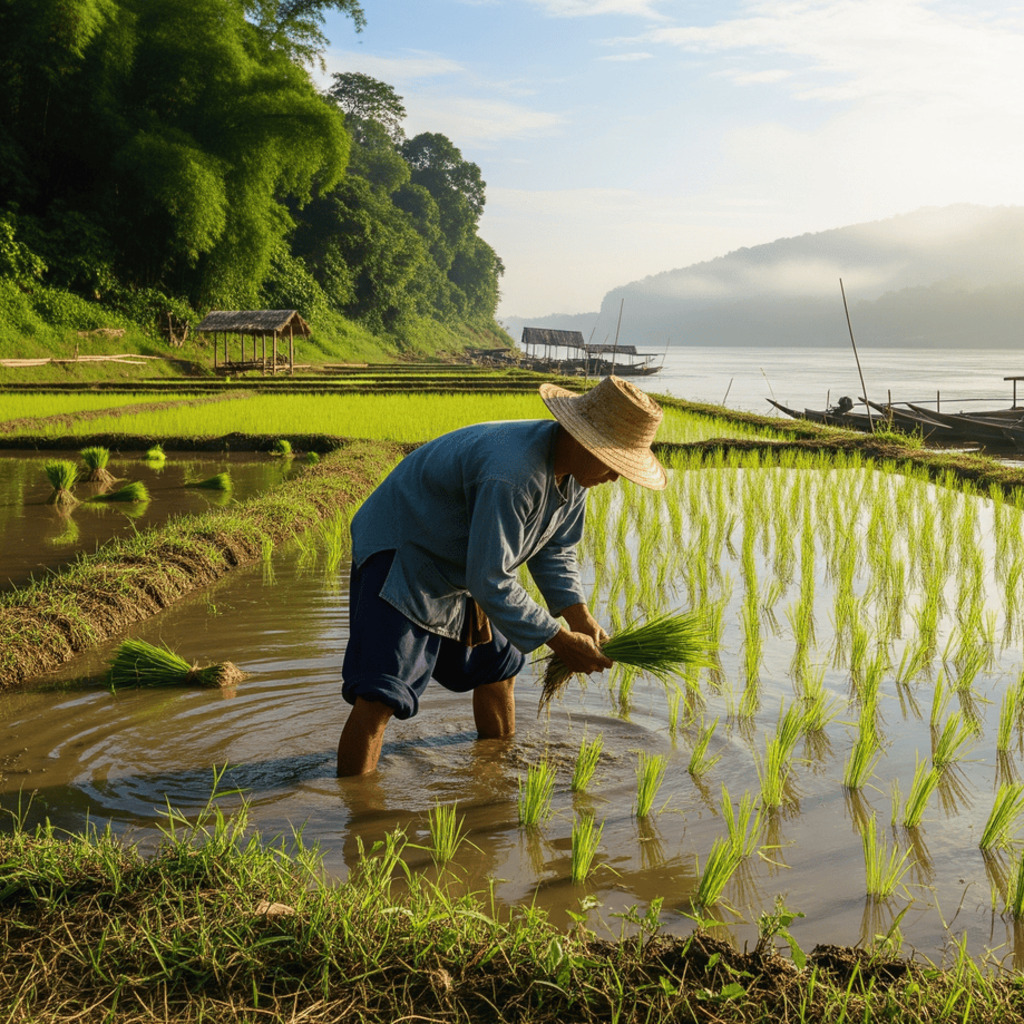
The sun-baked sandstone of Northeast Thailand’s Khorat Plateau creates a volatile agricultural landscape, where nutrient-depleted, saline soils fluctuate between cracked drought and sudden monsoon flooding.
Historically isolated from the fertile Central Plains and southern maritime trade, the Isan region developed a distinct culinary ecosystem driven entirely by ecological scarcity and resourcefulness.
While Bangkok and Ayutthaya traditions relied on fresh coconut cream, refined palm sugar, and abundant river fish, Isan cuisine differed. It emerged as a lean, highly concentrated system stripped of structural ornament.
To survive this harsh environment, the kitchen prioritised preservation, wild foraging, and minimal waste. It operated on a completely different flavour profile from the rest of the country.
Consequently, authentic Isan gastronomy moves away from the sweetened adaptations common in globalised street food. It relies instead on heavy fermentation, sharp acidity, and functional bitterness. These distinct elements allow the cuisine to master an unforgiving climate.
The Breadth of the Plateau: Historical and Environmental Origins

The culinary boundary of Northeast Thailand is etched by geography. Bounded by the Mekong River to the north and east, and separated from the Central Plains by the Phetchabun and Sankamphaeng mountain ranges, the Khorat Plateau remained geographically isolated for centuries.
This isolation fostered deep cultural and linguistic ties with neighbouring Laos rather than the Siamese kingdoms to the south.
Historically, the region was characterised by subsistence farming. When the monsoon rains arrived, they often triggered flash floods; when they departed, the porous sandy soil failed to retain moisture, leaving the land arid for months.
This environmental volatility dictated every aspect of the local diet. Without the year-round agricultural abundance enjoyed by the Central Plains, the people of Isan could not rely on a steady supply of fresh, delicate ingredients.
Instead, their kitchen became an exercise in maximising the nutritional and flavour potential of everything the land provided, no matter how scarce or seasonal.
The Kinetic Centre: Khao Niao as a Cultural Boundary
In Northeast Thailand, rice is not a passive accompaniment; it is the physical and cultural anchor of the meal. While Central and Southern Thailand built their culinary identities around long-grain jasmine rice (khao chao), Isan is defined by Khao Niao (glutinous or sticky rice).
This preference marks a distinct cultural boundary, separating the Lao-Isan identity from the broader Siamese identity.
The choice of Khao Niao fundamentally changes the mechanics of dining. It is a tactile experience. The rice is kept warm in woven bamboo baskets known as kratip, which allow steam to escape without letting the grains dry out.
Diners compress small portions of the dense, glutinous grains into compact spheres using their fingers. These spheres function as a structural utensil, engineered to scoop up dry, minced salads, dense herbal stews, and pungent dipping sauces.
Beyond its cultural symbolism, sticky rice represents a historical economy of satiety. From a nutritional perspective, glutinous rice contains a higher proportion of amylopectin than standard white rice, causing it to break down more slowly during digestion.
For agricultural labourers clearing fields under the intense heat of the plateau, Khao Niao provided a sustained, slow-release source of energy that staved off hunger far longer than standard grain varieties.
Heritage Highlight: The Biopreservation Engine of Pla Ra
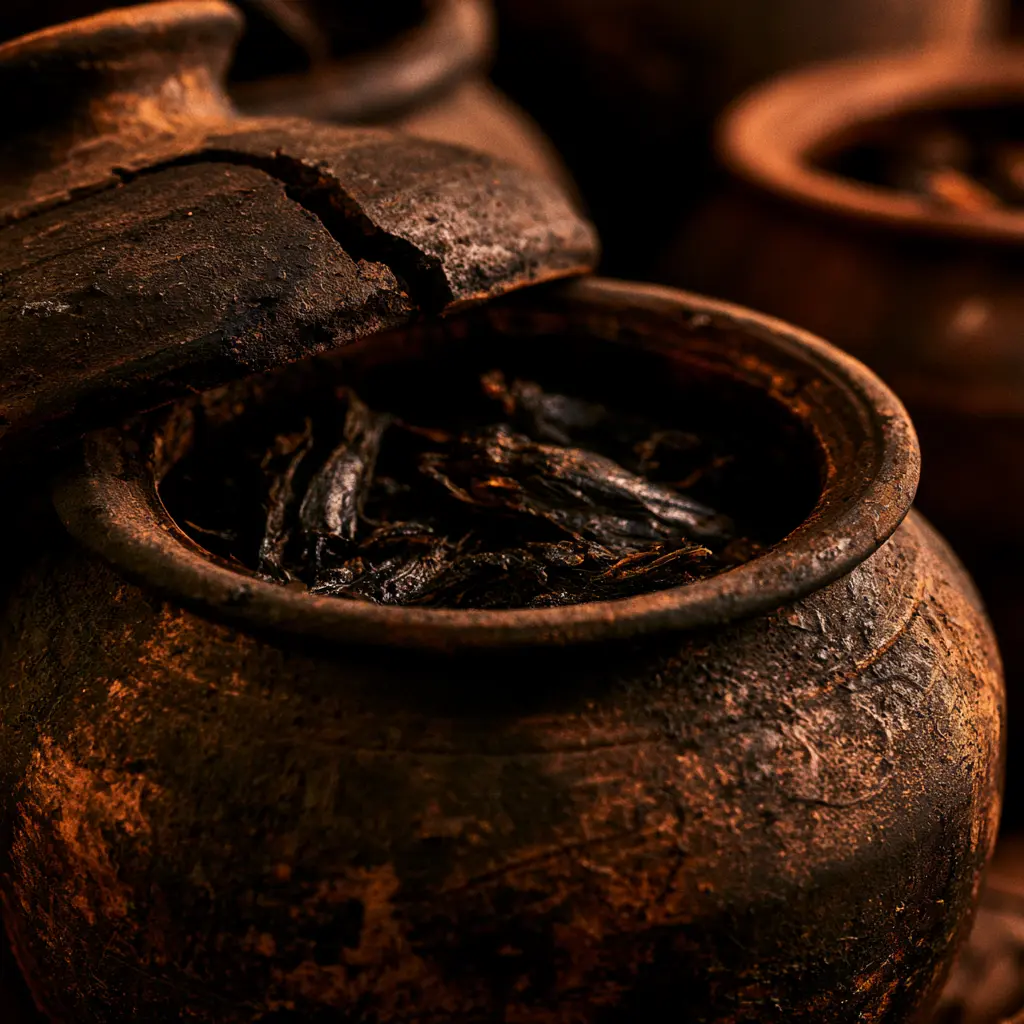
To understand the foundation of Isan gastronomy, one must examine the dark, earthenware jars sitting in the cool shadows beneath traditional stilt houses. Inside these vessels occurs an ancient process of biopreservation: the creation of pla ra.
Far from the crude descriptions found in conventional travel literature that reduce it to a pungent curiosity, pla ra is a highly sophisticated preservation technology born of necessity.
During the monsoon season, when the seasonal floods fill the rice paddies, small freshwater fish (pla kadi and pla chon) multiply rapidly. To prevent this brief windfall of protein from spoiling, local populations developed a precise method of long-term fermentation.
The fish are thoroughly cleaned and tossed with coarse rock salt mined from the plateau’s vast underground salt domes. Then, they are mixed with toasted, ground rice bran. The mixture is packed tightly into clay jars and sealed. This aging process often lasts from six months to several years.
Over time, anaerobic bacteria break down the fish proteins into a complex profile of savoury amino acids. The resulting liquid and paste provide a deep, foundational umami flavour.
In a landlocked region, people lacked coastal sea salt and maritime trade. Pla ra became the Isan kitchen’s essential flavour engine. It delivered both preservation and nutritional depth to the daily diet.
The Bitter and the Wild: Foraging the Fifth Flavour
The standard lexicon of Thai cuisine celebrates a balance of spicy, sour, sweet, and salty. Authentic Isan gastronomy, however, subverts this paradigm by introducing an entirely different flavour profile: bitterness (khom) and astringency (fard). These flavours are direct extensions of the region’s foraging economy.
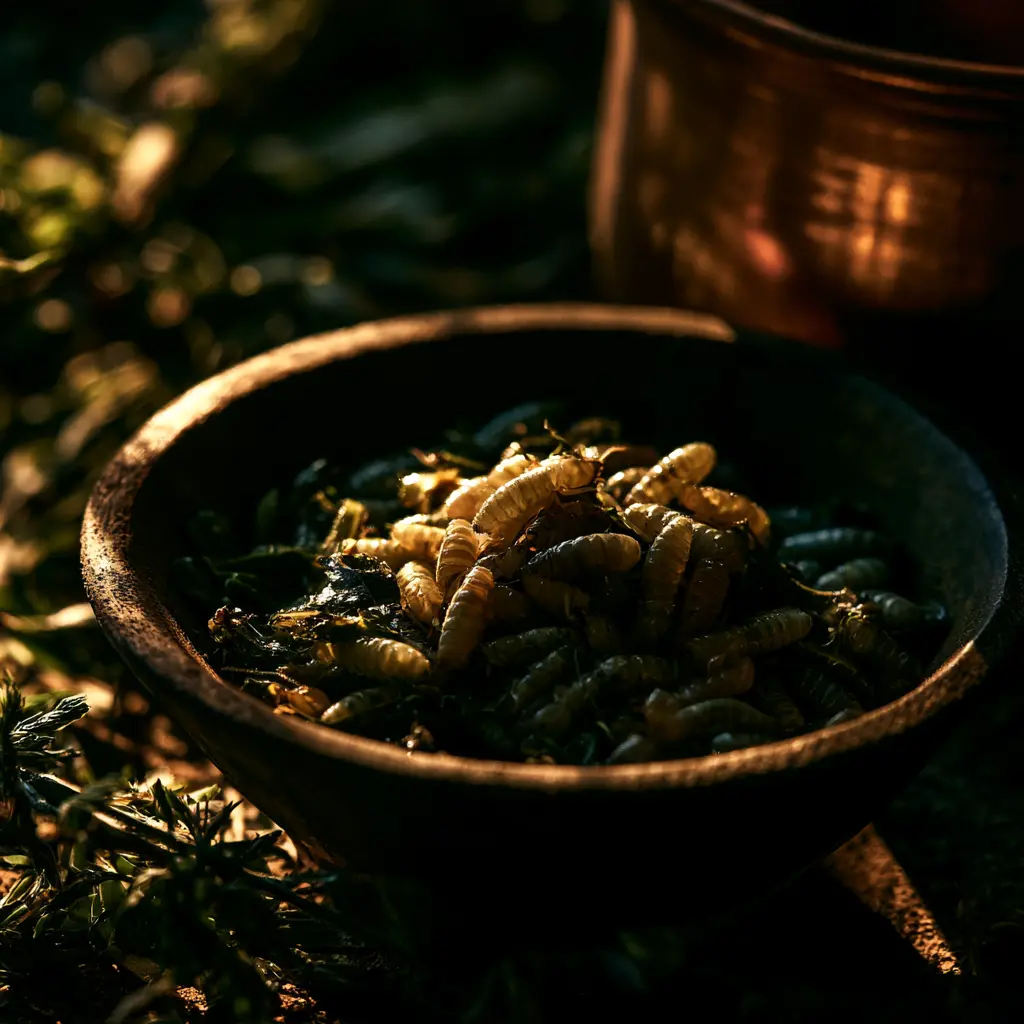
Because the cultivated landscape was historically unreliable, the Isan kitchen turned to the uncultivated forest and field. Hyper-seasonal, wild ingredients are prized for their specific textures and medicinal qualities:
The deliberate use of bitterness is best exemplified in the preparation of larb—the classic chopped meat dish. In traditional preparations such as larb dip (raw or flash-seared beef), local chefs intentionally introduce fresh cow bile (dee) or the partially digested grass from the animal’s stomach (phea).
This addition is not sensationalism. It is a calculated structural choice. The clean, sharp bitterness cuts through the meat’s heavy fat and metallic iron notes. This stimulates the palate, acting as an authentic marker of regional culinary heritage.
Flavour Elements
Umami
Acidity
Bitterness
Astringency
The Diaspora: How an Internal Migration Reshaped the Capital
The dominance of Isan food on the contemporary streets of Bangkok is the result of a significant mid-20th-century socioeconomic shift. Driven by persistent rural poverty, environmental droughts, and the expansion of infrastructure, millions of Isan labourers migrated from the Northeast to Thailand’s capital city.
They formed the backbone of the urban workforce, finding employment in construction, manufacturing, and transport.
With this internal diaspora came the tastes of the Khorat Plateau. Initially, informal food stalls emerged around construction sites and industrial districts. They catered exclusively to homesick migrants seeking the comfort of Khao Niao and the sharp relief of chillies.
The aromatic profile of charcoal-grilled meats like gai yang soon attracted a wider urban audience. The rhythmic, hollow thud of wooden pestles hitting clay mortars had a similar magnetic effect.
Over decades, this migration completely transformed the culinary landscape of Bangkok. Isan food transitioned from a marginalised, working-class sustenance to Thailand’s most ubiquitous street food. Eventually, it entered the realm of high-end dining.
Yet, this mainstream success brought a distinct evolution. To suit the palate of the Central Thai middle class, many urban stalls began modifying traditional recipes. Sugar – an ingredient historically absent from the austere, savoury-bitter kitchens of the Northeast – was introduced in large quantities.
Dishes like Som Tum were altered to create Som Tum Thai. This version replaced the dark, rich complexity of pla ra. Instead, chefs used dried shrimp, peanuts, and white palm sugar, effectively softening the cuisine’s original edges.
The Unconquered Kitchen
The true identity of Isan cuisine does not reside in these sweetened, urban variations. It remains anchored to the hard earth of the plateau, surviving in the uncompromised kitchens that refuse to dial back the heat, the fermentation, or the bitterness for uninitiated palates.
It is a tradition that demonstrates that culinary sophistication is not born from historical abundance, but from the deliberate, creative mastery of scarcity.
For those interested in exploring the deep layers of regional Southeast Asian gastronomy, understanding the evolution of the Northeast provides an essential framework.