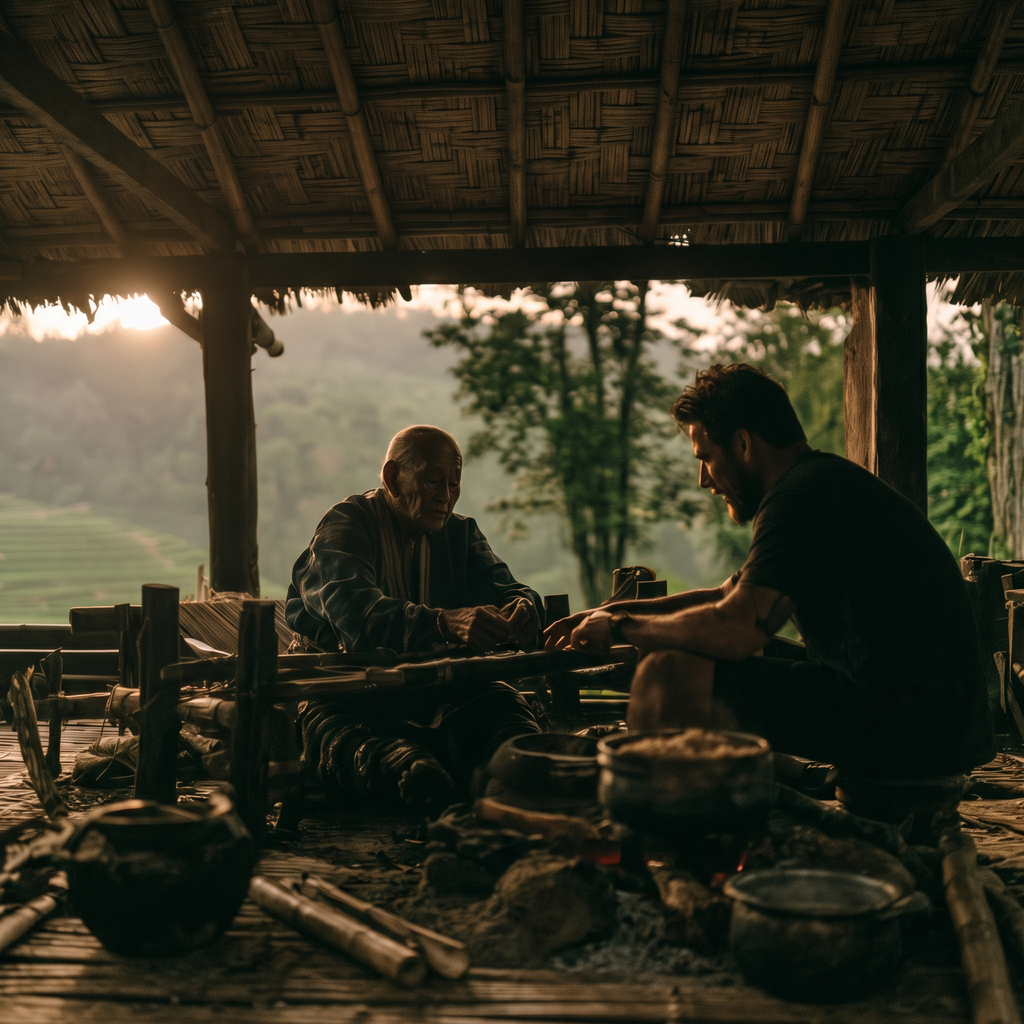

High-net-worth clients and intellectually curious travellers have developed a sharp instinct for staged authenticity. The moment a 45-minute village stop feels transactional, the entire luxury narrative of the trip unravels.
In high-yield travel, few concepts are as routinely co-opted as Community-Based Tourism (CBT). For many operators, simply adding a rural photo stop transforms an extractive mass-market excursion into “responsible travel” on paper.
But as inbound buyers demand legitimate immersion and corporate ESG mandates tighten across luxury networks, treating living cultures as decorative stops is becoming an operational liability.
In Northern Thailand, the operators pulling ahead aren’t adding more village visits to their brochures; they’re restructuring who actually owns the experience. Real CBT is not an aesthetic – it is a governance, equity, and ownership framework that turns local communities into primary stakeholders rather than backdrop talent.
The Institutional Standard: DASTA and CBT-I
Authentic CBT in Thailand does not rely on marketing claims; it operates on established public-sector benchmarks.
The gold standard is shaped by the Thailand Community-based Tourism Institute (CBT-I) and the Designated Areas for Sustainable Tourism Administration (DASTA). DASTA’s national CBT criteria (aligned with Global Sustainable Tourism Council standards) evaluate communities across five core pillars: tourism management capacity, socio-economic quality of life, cultural heritage preservation, environmental resource management, and service delivery quality.
Before contracting a northern village experience, outbound advisors and inbound DMCs should verify three operational benchmarks:
Northern Case Studies: Proven Operational Models
The Benchmark for Micro-Governance: Mae Kampong (Chiang Mai)
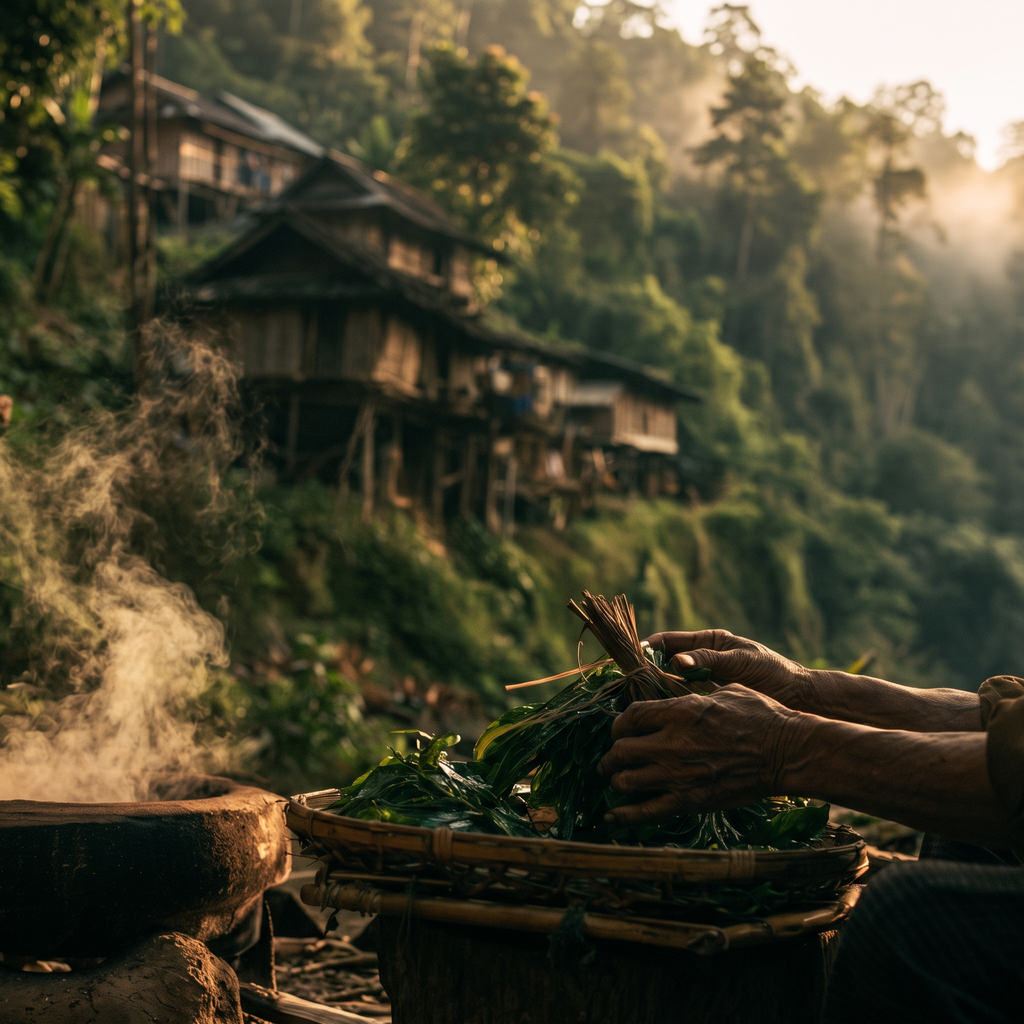
Tucked away in the hills of Mae On, Mae Kampong pioneered community tourism in Northern Thailand. Long before tourism, the village survived on miang (fermented tea leaves) and smallholder coffee. When market prices crashed, village elders organised a collective eco-tourism cooperative rather than selling land to outside developers.
Today, Mae Kampong manages homestays through a centralised rotation system: visitor bookings are distributed equally among participating households to prevent internal wealth disparity. A dedicated village fund finances local infrastructure, water filtration, and maintenance of solar power. For DMCs, Mae Kampong demonstrates how rural communities can achieve economic resilience without losing control of their land.
Indigenous Agro-Forestry: Ban Mae Klang Luang (Doi Inthanon)
Located inside Doi Inthanon National Park, the Paganyaw (White Karen) community of Mae Klang Luang transformed their economy by integrating traditional terraced rice farming with high-altitude shade-grown Arabica coffee.
Instead of passive sightseeing, premium itineraries here engage travellers in the coffee supply chain: harvesting beans alongside farmers, roasting them over open wood fires in clay pots, and learning the ancestral water conservation systems of the Karen people. Revenue directly underwrites forest fire prevention squads that protect the surrounding watershed.
Cultural Craft Collectives: Phrae and Lamphun
In northern craft hubs such as Ban Thung Hong (Phrae) and in ethnic Tai Lue villages in Lamphun, CBT centres focus on preserving ancestral textiles. Travellers don’t simply browse souvenir racks; they spend half-days with guild masters learning natural indigo extraction (Mo Hom) or intricate Tin Chok brocade weaving.
Because the guild owns the workshops, artisans earn fair-trade wages while keeping endangered craft traditions commercially viable for the next generation.
The Luxury Dilemma: How to Sell CBT to High-Yield FITs
A recurring objection among travel advisors is the comfort barrier: “My Ultra-High-Net-Worth clients want cultural authenticity, but they won’t sleep on a thin mattress on a bamboo floor with shared cold-water bucket baths.”
They don’t have to. Authentic CBT doesn’t require overnight homestays. DMCs can structure high-yield, low-impact models by separating the immersion from the accommodation:
The Rule for Travel Designers
The metric for an exceptional northern itinerary is not how remote the village is; it is who holds the power inside it.
If the local community does not control the rules of engagement, set their own rates, and direct where the profits go, it is not Community-Based Tourism – it is cultural extraction.
Designing true CBT requires meticulous supply chain vetting, but it delivers the exact outcome today’s discerning travellers demand: an unforgettable, deeply human connection built on mutual dignity and respect.