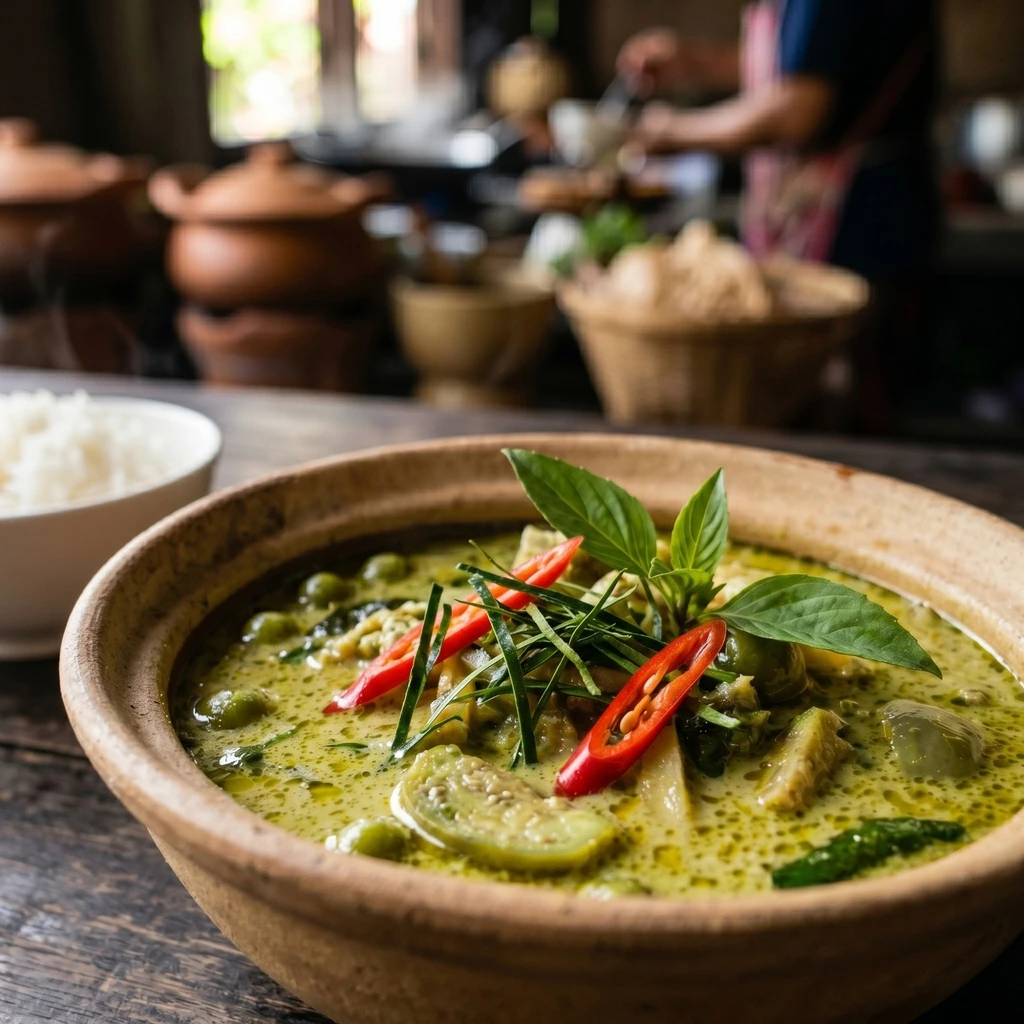

You stop selling destinations. You start selling dinner.
In 2002, Thailand’s global image was in a completely different place than it is today. Heavily weighed down by associations with low-yield backpacking and the lingering stigma of the post Vietnam war nightlife industry, the country needed a paradigm shift. It didn’t just need a new tourism logo; it required a total narrative overhaul.
The architect of this transformation was as brilliant as he was divisive: Prime Minister Thaksin Shinawatra.
Love him or hate him, Thaksin approached statecraft like a corporate CEO managing a global luxury conglomerate. He looked at Thailand’s cultural assets and identified a highly scalable, high-sentiment touchpoint: food.
Under his administration, the government launched the “Global Thai” Campaign. It was a masterclass in modern gastrodiplomacy.
Instead of spending tens of millions on traditional, easily ignored tourism billboards, the state funded the aggressive expansion of Thai restaurants worldwide. They provided soft loans for expatriates, streamlined chef visas, and established standardised training programs in Bangkok.
They essentially turned every local neighbourhood Thai spot – from London to New York – into a high-sentiment culinary billboard.
The execution was flawless. Over two decades, the number of Thai restaurants globally quadrupled. And it triggered a massive, multi-decade surge in international tourism.
But consider the landscape. Southeast Asia is packed with world-class culinary traditions. Vietnamese food is pristine and fresh; Malaysian and Indonesian cuisines possess an incredible depth of spice and complexity. They are equally tempting.
The Gastrodiplomacy Engine: Rewiring the Regional Tourism Grid
Yet, when the global consumer thinks of Southeast Asian flavour, it is Thai food that commands absolute top-of-mind awareness. It is the cuisine people remember. Why?
Because Thailand did something its neighbours didn’t: they engineered a masterpiece of sensory branding to turn their country into the dominant destination node of the region.
In network strategy, a node is a central hub where pathways, resources, and human capital intersect. Before 2002, Thailand was just one stop on a fragmented backpacking trail. The Global Thai campaign completely rewired those global pathways through three strategic moves:
This leads to the fascinating paradox that every content strategist and marketer should study: The food exported wasn’t “real” Thai food.
Real Thai cuisine is fiercely complex, unapologetically regional, intensely fiery, and often bitter, funky, or sour. The global campaign deliberately smoothed those edges. It engineered a standardised, sweeter, highly accessible menu—the ubiquitous Pad Thai, the creamier Green Curries – tailored precisely to Western palates.
Purists might argue it diluted the culture. But as a market penetration strategy, it was genius. It wasn’t a fake product; it was a highly strategic Minimum Viable Product (MVP) designed to lower the barrier to entry.
The restaurant was never the final product. It was a Trojan Horse.
Once the global palate fell in love with the smoothed-out baseline brand, millions of people booked flights to experience the authentic origin story. They wanted the provenance. Travellers who started with a $10 Pad Thai in London eventually grew into affluent consumers booking wellness retreats in Chiang Mai or luxury villas in Phuket.
The Business Takeaway:
If your brand is struggling with low-value perception or a narrative problem, don’t just push harder marketing down the same old channels.
Change the medium entirely.
Look for indirect, high-sentiment funnels that build trust organically. When you change how people feel about your ecosystem before they ever buy your core product, you aren’t just selling anymore—you’re building a cultural gravity that pulls them directly to you as the undisputed node of your industry.