Category Sacred Architecture

A structural, historical, and iconographic critique of Southeast Asia’s sacred architecture and monumental landscapes. Moving beyond superficial religious tourism, this archive delivers a rigorous evaluation of the region’s historic temples, shrines, and monastic complexes as complex sociopolitical anchors and architectural masterpieces.

This section interrogates the ideological and cosmological frameworks—such as Mt. Meru alignments and mandala-based spatial planning – that governed the engineering of these sacred spaces.

By parsing the evolution of material design, from brick and laterite masonry to intricate stone bas-reliefs, this repository examines how sacred architecture functioned as a powerful vehicle for statecraft, elite patronage, and the enduring transmission of intangible cultural heritage.

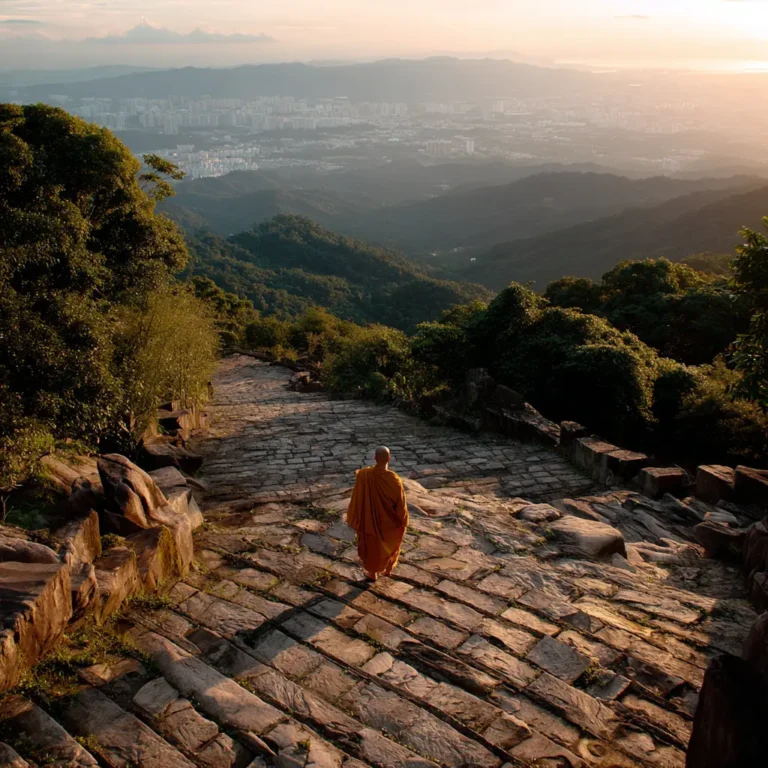
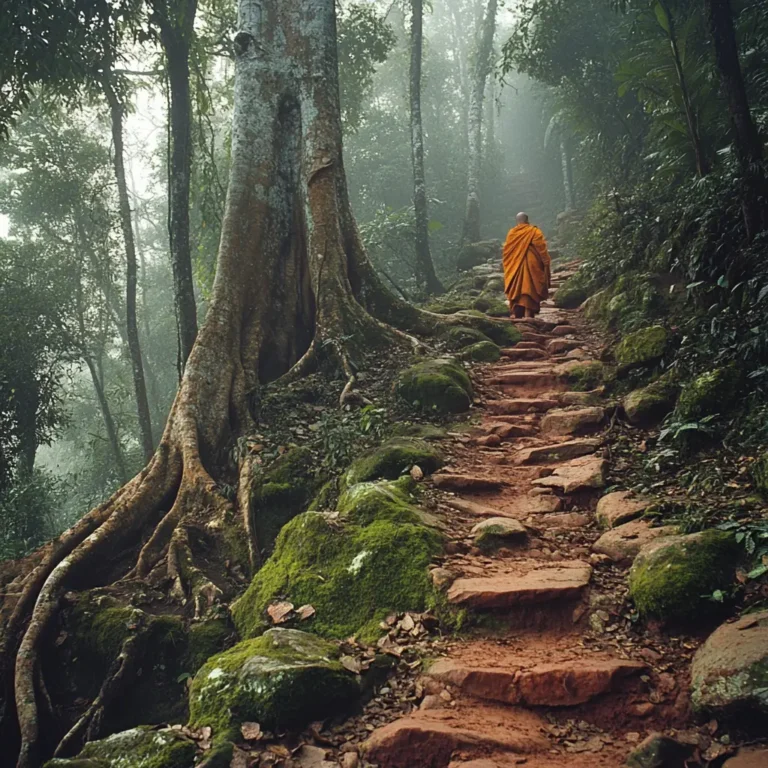
Monk walking down stone steps at Kek Lok Si Temple, Penang, with city view

The Citadel of Supreme Bliss: Decoding the Sacred Topography of Kek Lok Si

Kek Lok Si is Malaysia’s largest Buddhist temple, a sprawling hillside sanctuary in Penang. Its iconic pagoda uniquely blends Chinese, Thai, and Burmese architecture, while a towering bronze Kuan Yin statue watches over George Town, offering devotees and travellers "Supreme Bliss."

Read MoreThe Citadel of Supreme Bliss: Decoding the Sacred Topography of Kek Lok Si
DSLR camera for landscape photography with mountain views.