
Key Insights
Malaysian Creole cultures, specifically the Peranakan, Kristang, and Chitty communities, represent a unique “third space” of heritage blending local Malay customs with Chinese, Portuguese, and Indian traditions. This article explores their distinct linguistic markers, architectural provenance, and current conservation status within the UNESCO framework.
Papiá Kristang: The endangered, Portuguese-based creole language spoken by the Kristang community of Malacca, blending 16th-century Portuguese grammar with local Malay structure.
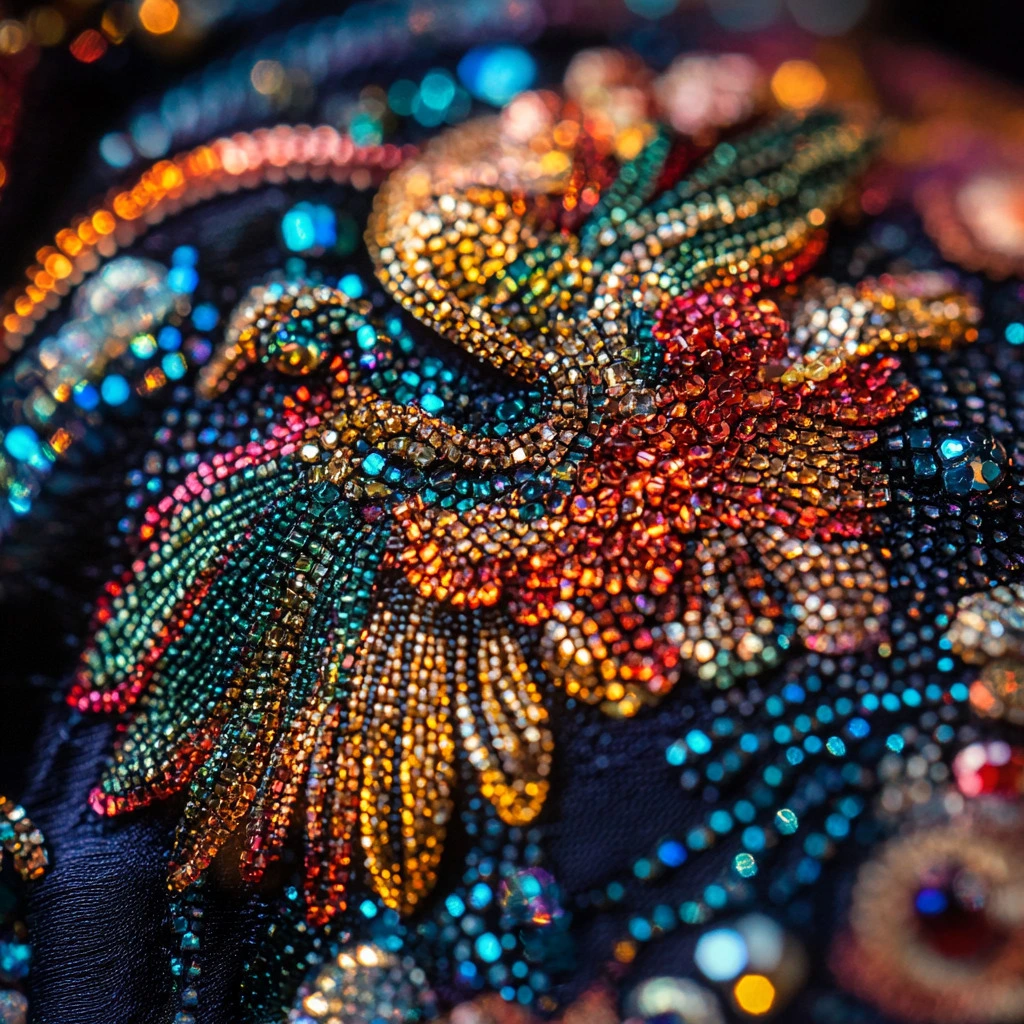
Kasut Manek: Traditional beaded slippers hand-crafted by Nyonya women, utilising thousands of microscopic European glass facets to stitch intricate floral or phoenix motifs.
Debal: A signature, highly spiced Kristang curry (often called “Devil’s Curry”) defined by the use of galangal, mustard seeds, and vinegar—the latter acting as a European preservation method for the tropical climate.
Branyu: A traditional, rhythmic folk dance of the Kristang community, performed to the cadence of violins and rebana (Malay frame drums).
For centuries, the geopolitical and economic landscape of Maritime Southeast Asia was dictated by the rhythmic shifts of the monsoon winds. Between the 15th and 19th centuries, the trade networks of the maritime Silk Road brought merchants from India’s Coromandel Coast, China’s Fujian province, and Yemen’s Hadhramaut region to the major ports of the Straits of Malacca and the Java Sea.
The “Waiting Months” – the mandatory seasonal waiting periods between the Northeast and Southwest monsoons – forced an extended residency that led to profound biological and cultural integration with the indigenous populations.
The term Peranakan derives from the Malay root anak, meaning child. Culturally, it signifies those “born of the soil” who trace their lineage to early maritime unions. This creolised identity was never a cultural melting pot where distinct heritages dissolved. Instead, it functioned as a sophisticated cultural mosaic.
Hokkien ancestral altars, Tamil trade practices, and Dutch colonial design elements retained their distinct characteristics. Together, they formed a unified, deeply evocative regional culture.
To understand the Peranakan diaspora is to look past standard tourism narratives and examine the specific merchant dynasties that engineered the trading wealth and architectural legacy of the Straits Settlements.
The Suez Catalyst and the Rise of the “King’s Chinese”
The opening of the Suez Canal in 1869 transformed the Straits Settlements of Penang, Malacca, and Singapore from remote outposts into the central nodes of global trade. Steamships replaced sailing vessels, and with them came a flood of European luxury and Victorian administrative rigour.
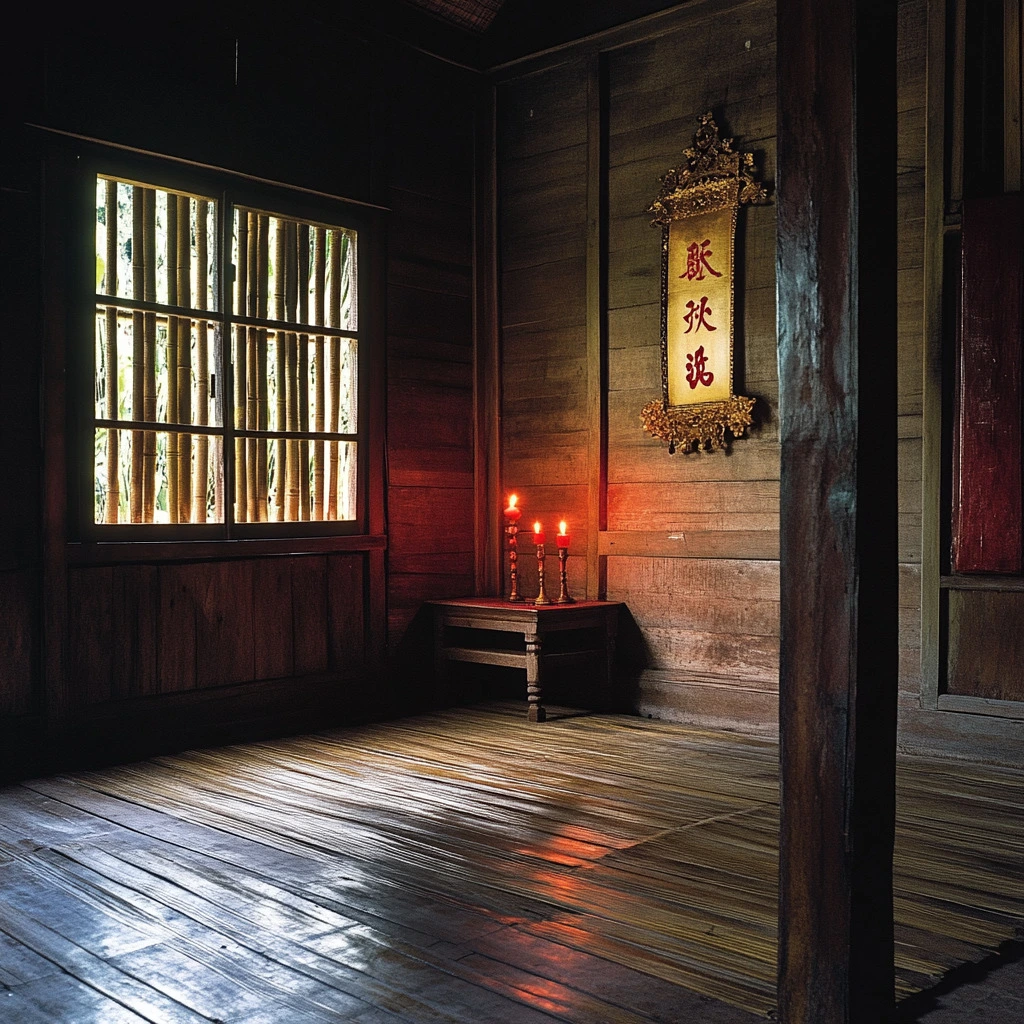
The Baba Nyonya elite – descendants of Hokkien traders – thrived in this era. They became the “King’s Chinese,” merchant princes who spoke English, played cricket, and sent sons to British universities. Yet, they remained deeply anchored by their ancestral altars.
They maintained a syncretic blend of Hokkien tradition and British colonial order. They commissioned grand mansions featuring Scottish cast-iron pillars, Italian floor tiles, and English encaustic tiles. This stunning “Straits Eclectic” style remains the most distinctive architectural archive in the region.
The Baba Nyonya: The Mandarin-Colonial Elite
The Baba Nyonya are the most visible Peranakans, acting as primary intermediaries between the British Crown and the Chinese masses. A walk through a Baba’s home is a sensory experience designed to project status and cultural continuity.
The air hangs heavy with the scent of beeswax and stale sandalwood incense. These evocative aromas serve as a constant reminder of daily rituals performed at the family altar.
While the men, or Babas, adopted Western suits for business, the women, or Nyonyas, were the true custodians of the hybrid aesthetic. They wore the baju panjang – a long, flowing tunic – before transitioning to the intricate lace kebaya. Their footwear was a technical marvel.
Each pair of beaded slippers used thousands of microscopic European glass beads. These were stitched into intricate floral or phoenix motifs. Even their cuisine was a laboratory of integration.
They produced dishes like Ayam Buah Keluak. This dish uses a poisonous mangrove nut. A laborious fermentation process makes the nut edible. It serves as a metaphor for the patience required to build a lineage.
Chetti Melaka: The Hindu-Malay Synthesis
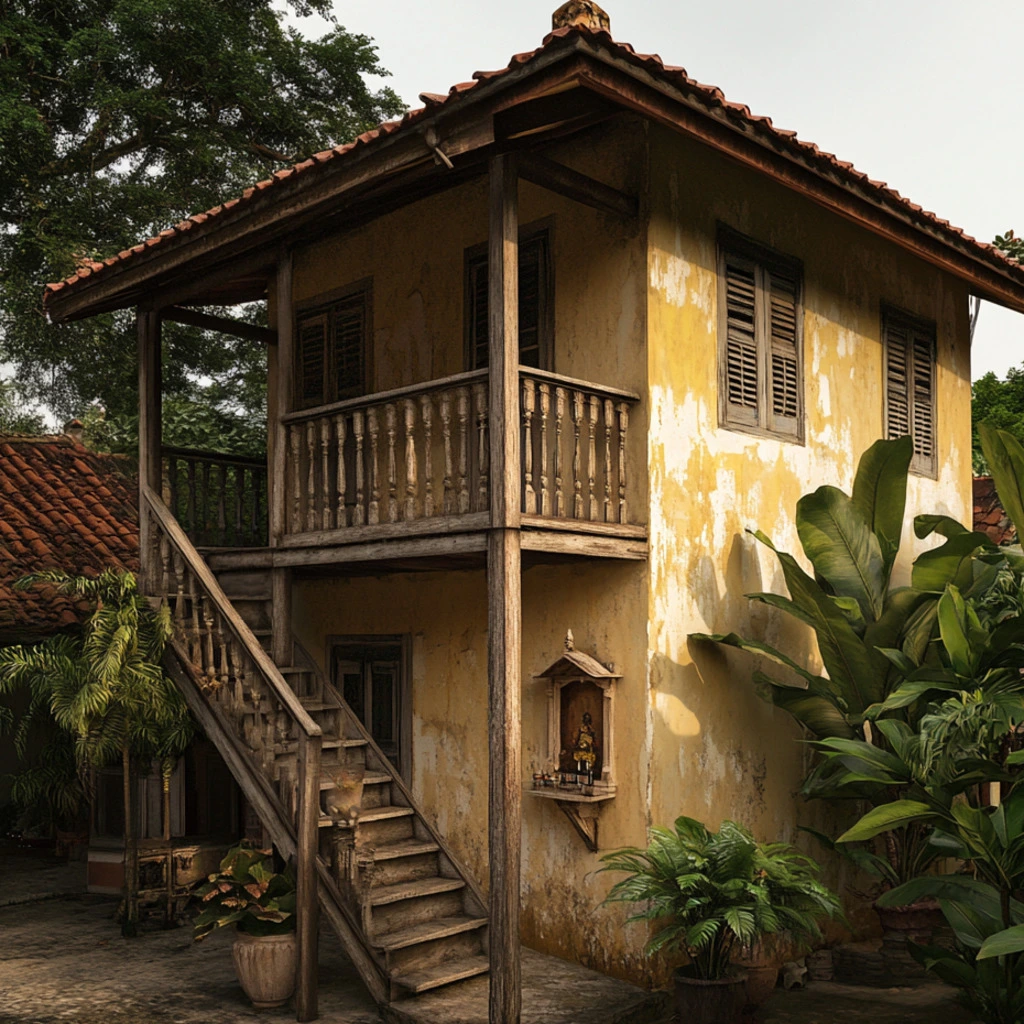
Long before the British arrived, South Indian Tamil traders settled in Malacca during the 15th-century Sultanate. Marrying local women, they became the Chetti Melaka. They are a profound example of cultural resilience: Hindu by faith, but Malay in soul and tongue.
In the enclave of Kampong Chetti, the architecture reflects a village-based heritage. Unlike the urban mansions of the Babas, Chetti homes utilise the Malay Rumah Panggung (raised house) style to manage the tropical humidity. They speak a unique Malay patois, and their women wear the kebaya with a traditional Indian bun. Their culinary archive is defined by the “Sour and Spicy” profile.
At the same time, they use traditional Indian spices, incorporating asam gelugur (tamarind) and belacan (shrimp paste), creating a flavour profile that is distinctly maritime and Southeast Asian.
Jawi Peranakan: The Indian-Muslim Intellectuals

The Jawi Peranakan emerged from the union of South Indian Muslims and local Malays, predominantly in Penang’s Chulia Street. They were the scholars, publishers, and bureaucrats of the Straits Settlements.
They were the first to move the region into the “Gutenberg Age,” founding the first Malay-language newspapers and dominating the colonial administrative class. A Jawi Peranakan home is characterised by intellectual sobriety: heavy teak furniture, Islamic geometric patterns, and vast libraries. Jawi Peranakan cuisine is the “Rich and Aromatic” branch of the Straits Mosaic. Think of Nasi Kandar and complex biryanis enriched with local pandan and lemongrass – dishes that fueled the long, slow conversations of the Penang literati.
Peranakan Arab: The Hadhrami Influence
Wealthy landowners and scholars from the Hadhramaut (Yemen) arrived in the 19th century, integrating deeply into the Malay fabric. They became the Peranakan Arabs, shaping the skyline of Singapore’s Kampong Glam and building the Sultan Mosque.
Their influence remains visible in the heavy, carved timber doors of their mansions. Additionally, the scent of oud and cardamom coffee follows their social gatherings. These families eventually became the spiritual and social “Guardians of Tradition.”
Many members even married into Malay royalty to strengthen their local ties. Furthermore, they managed Waqf endowment lands that defined regional urban development. This unique heritage represents a powerful form of “Spiritual Capital.” They utilised wealth to anchor Islamic identity within a colonial framework. Ultimately, this legacy helped preserve the Straits’ cultural core during foreign rule.
The European and Borderland Legacies
While the urban merchant princes defined the commercial ports, a separate and equally resilient heritage was forged in the colonial garrisons and along the fluid northern frontiers. These lineages represent the most complex layers of the regional record – where identity was shaped not just by trade, but by centuries of European occupation and the porous reality of borderland survival.
From the Luso-Malay resilience of the Kristang to the agrarian “rural soul” of the Sam-Sam, these communities are the ultimate custodians of a creole sophistication. They offer a masterclass in vernacular intelligence, proving that the Malay Peninsula was never a static boundary but a living, integrated landscape where global provenance was anchored deeply into local soil.
Peranakan Dutch (Eurasian): The Forgotten Link
During Dutch rule from 1641 to 1824, officials in Malacca frequently married local women. These unions created unique Peranakan Dutch families with surnames like Westerhout and De Witt. Consequently, this community formed the administrative backbone of the city for many decades. They remained highly influential even after the British eventually took control.
Furthermore, their homes featured a distinct blend of European and local styles. Heavy oak furniture sat alongside delicate lace curtains in their residences. In the kitchen, they embraced spicy, tamarind-rich flavours from the Straits. Because of this cultural fusion, historians call them a “Forgotten Link” in regional records.
They helped ease the shift between two different colonial empires. Ultimately, the community bridged Dutch mercantilism and the growing British Raj.
Kristang: The Luso-Malay Legacy
In 1511, the Portuguese conquered Malacca, establishing a foothold that would last over a century. Soldiers who stayed married to local women. Their descendants, the Kristang, became custodians of a “Luso-Malay” identity. They are the quiet bridge between two kingdoms.
The Kristang identity remains preserved today through their unique language, Papiá Kristang. This Creole effectively blends 16th-century Portuguese with local Malay elements. During weddings in the Portuguese Settlement, the community still dances the traditional Branyu.
Moreover, the rhythm of the violin and rebana drum guides their festive movements. Their signature dish, Debal, stands as a technical masterpiece of colonial fusion. This “Devil’s Curry” utilises vinegar as a vital European preservative. It also features a fierce combination of galangal, ginger, and mustard seeds. Historically, this intense heat helped the food withstand the tropical climate. Ultimately, the recipe served to preserve meals before the era of refrigeration.
Peranakan Sam-Sam: The Northern Borderlands
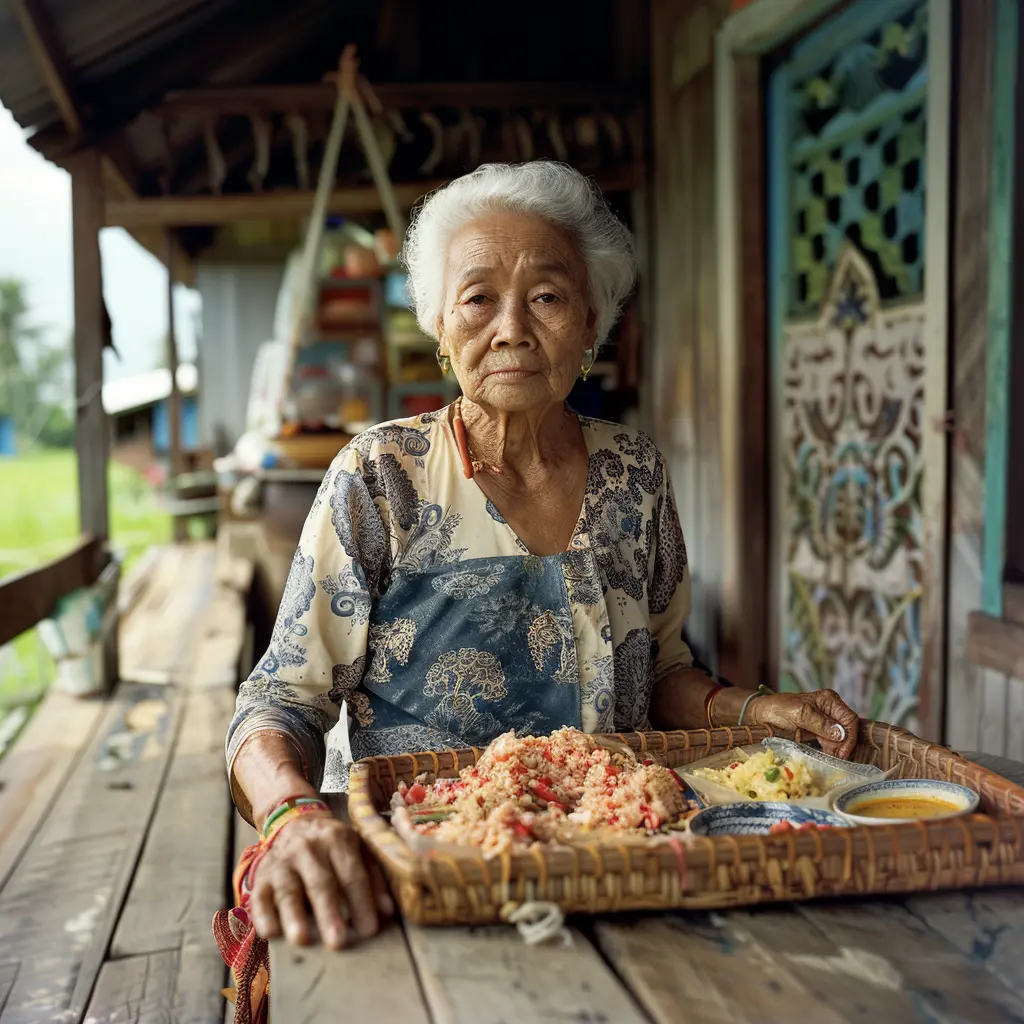
The Sam-Sam identity is defined by a linguistic and agrarian blur that defies the rigid boundaries of modern nationalism. Residing primarily in the northern reaches of Kedah and Perlis, their heritage is an archive of the centuries when the border between Siamese kingdoms and the Malay Sultanates was a porous, shifting frontier. They represent a “Rural Peranakan” archetype, where the synthesis of Thai and Malay cultures wasn’t a choice of fashion, but a necessity for survival in the shared rice plains of the peninsula.
This hybridity extends to their spiritual and social rhythms; a Sam-Sam family might speak a unique patois that weaves Southern Thai syntax with Kedah Malay vocabulary, while their culinary traditions bridge the gap between the fiery acidity of the Thai north and the rich, coconut-based profiles of the Malay south.
They are the quiet custodians of a “Borderland Soul,” proving that identity can be tied more deeply to the soil and the rice cycle than to a passport.
Cino Kampong: The Rural Soul
In the northeastern state of Kelantan, the Chinese population chose a path of deep, rural assimilation. Unlike their urban cousins in Penang, the Cina Kampong (Village Chinese) became farmers and artisans.
They speak a thick Kelantanese dialect, wear the sarong as daily attire, and eat with their hands. Their houses are physically indistinguishable from Malay kampong houses, following the same architectural rules for airflow and shade. The only archive of their ancestry is the hidden ancestral altar inside the home – a private spiritual root in an otherwise perfectly assimilated public life.
The Living Archive: Why the Straits Mosaic Matters Today
To the casual observer, these eight lineages might seem like historical curiosities—remnants of a colonial era that the modern world has outgrown. However, for the resident historian and the modern professional, the Peranakan phenomenon is the ultimate case study in Sustainable Multiculturalism.
The Original “Global Citizens”
Long before the terms “Global South” or “Transnationalism” entered the academic lexicon, these communities were practising it. They prove that identity is not a zero-sum game. A Jawi Peranakan could be a devout Muslim, a British civil servant, and a Malay scholar simultaneously. This “Layered Identity” is the historical bedrock of Malaysia. It provides a blueprint for how diverse groups can integrate without losing their specific cultural DNA.
The Economic Architecture of Prestige
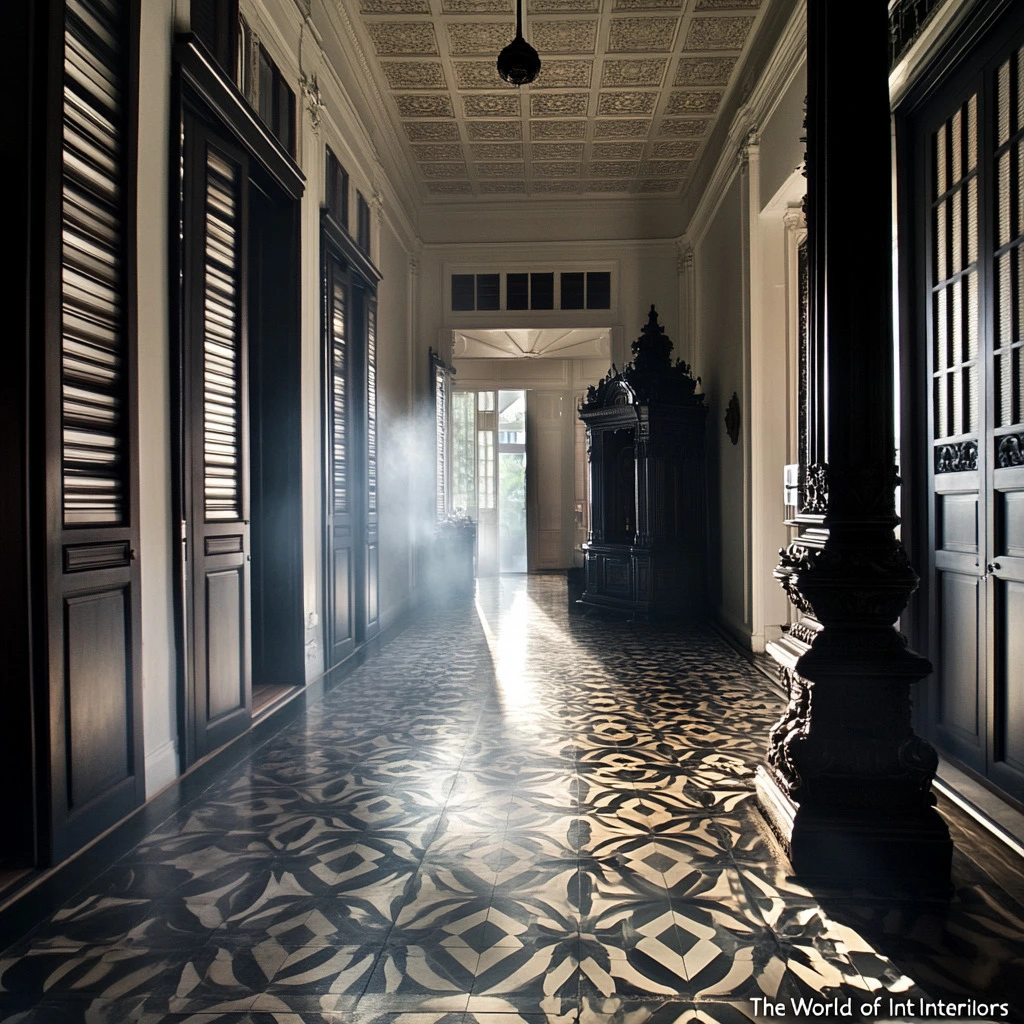
In Malaysia, the Peranakan legacy is a primary driver of Heritage Diplomacy. Cities like George Town and Malacca owe their UNESCO World Heritage status not just to the buildings, but to the intangible heritage of these eight groups. They represent a “Premium Tier” of tourism – the discerning traveller who seeks depth, culinary complexity, and architectural integrity.
By understanding the “Technical Why” behind a Kristang Debal or a Chetti Melaka Asam curry, we protect the economic value of Malaysian heritage from being diluted into generic, mass-market kitsch.
The Preservation Gap: A Call for the Discerning Observer
The greatest threat to the Straits Mosaic is not time, but “Theme-Park Tourism.“ As property prices rise, the authentic “Living Archive” is at risk. When a traditional family home is converted into a generic boutique hotel that trades in stereotypes rather than history, we lose a page of the regional record.
Real heritage requires more than a fresh coat of pastel paint. It requires the specialised knowledge of the lime-wash mason, the skill of the bead-work master, and the memory of the Pantun poet. To engage with these communities today is to participate in an act of Active Curation.
It asks us to look past the Instagram-ready facades and seek out the “peeling lime-wash” – the places where the history is still raw and the stories are still being told.
Conclusion: The Enduring Resonance of the Straits
The eight lineages of the Peranakan world are the final bastions of an era where time was measured by the arrival of the mail boat rather than the refresh of a digital feed. They remind us that the Malay Peninsula has always been a “Porous Border”—a place where the world’s cultures didn’t just collide, but coalesced.
As the sun sets over the Andaman or the Straits of Malacca, the ghosts of merchant princes and scholars remain. They are permanent residents of these five-foot ways and grand lobbies, haunting the historic architecture.
These spirits remind us that travel is an evocative pursuit of understanding. The Straits Mosaic is not a static monument; it is a river. It flows, it mixes, and it endures. It is the heart of Southeast Asian hybridity, and for the “Heritasian” traveller, it is a legacy worth archiving.