
Key Insights
Southeast Asia’s luxury colonial hotels weathered a mid-century “Ghost Era” between the 1950s and 1970s. As aviation displaced steamships, properties like the Sofitel Legend Metropole Hanoi adapted through warfare, nationalisation, and physical decay.
Heritage travel demand eventually rescued these historic sanctuaries. They preserved their resilience through decades of change. Today, concrete bunkers and aged facades stand as enduring symbols of cultural survival.
Grand Dame: Represents a large, historic hotel renowned for its architectural grandeur, exceptional service, and cultural significance that initially catered to 20th-century steamship elites before evolving into a modern heritage anchor.
Ghost Era: Defines the volatile period between the 1950s and 1970s marked by political instability, shifting travel habits, and severe property neglect that forced historic luxury properties to either adapt to wartime realities or face architectural obsolescence.
Jet Age: Refers to the mid-20th-century transition to rapid commercial aviation enabled by aircraft like the Boeing 707, which fundamentally altered global tourism by bypassing maritime ports in favour of speed and efficiency.
Banalistan: Is a critical term describing the homogenous, standardised aesthetic of mid-century modern hotel chains that prioritised uniform glass, steel, and air conditioning over authentic regional craftsmanship.
Thong Nhat: Translates to “Reunification” in Vietnamese and served as the official name of the Metropole Hanoi during its post-1954 state nationalisation, marking a functional era of housing socialist diplomats, correspondents, and peace activists.
Re-excavation: Describes the deliberate unearthing and structural restoration of forgotten historical elements, such as the Metropole’s 2011 recovery of its hidden wartime bunker, allowing historic layers to be integrated into modern heritage experiences.
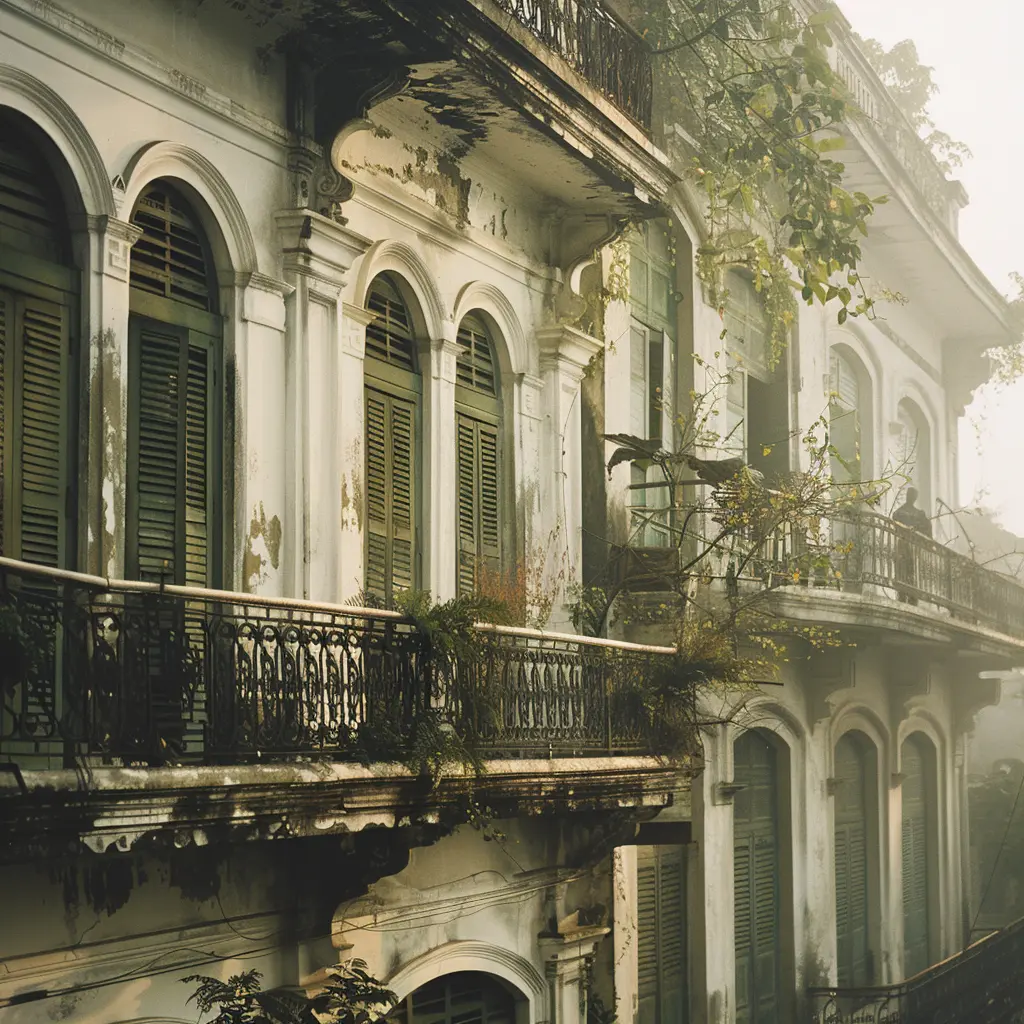
The transition from the whitewashed, classical shuttered facade of the Sofitel Legend Metropole Hanoi to the raw concrete of its inner courtyard is a manifestation of a turbulent century.
In the 1920s, the property’s elegant, high-ceilinged spaces accommodated cultural luminaries like Charlie Chaplin and Somerset Maugham; by the late 1960s, that same infrastructure hummed with the urgent shorthand of international war correspondents and the sombre echoes of air-raid sirens.
The “Ghost Era” of the Grand Dames
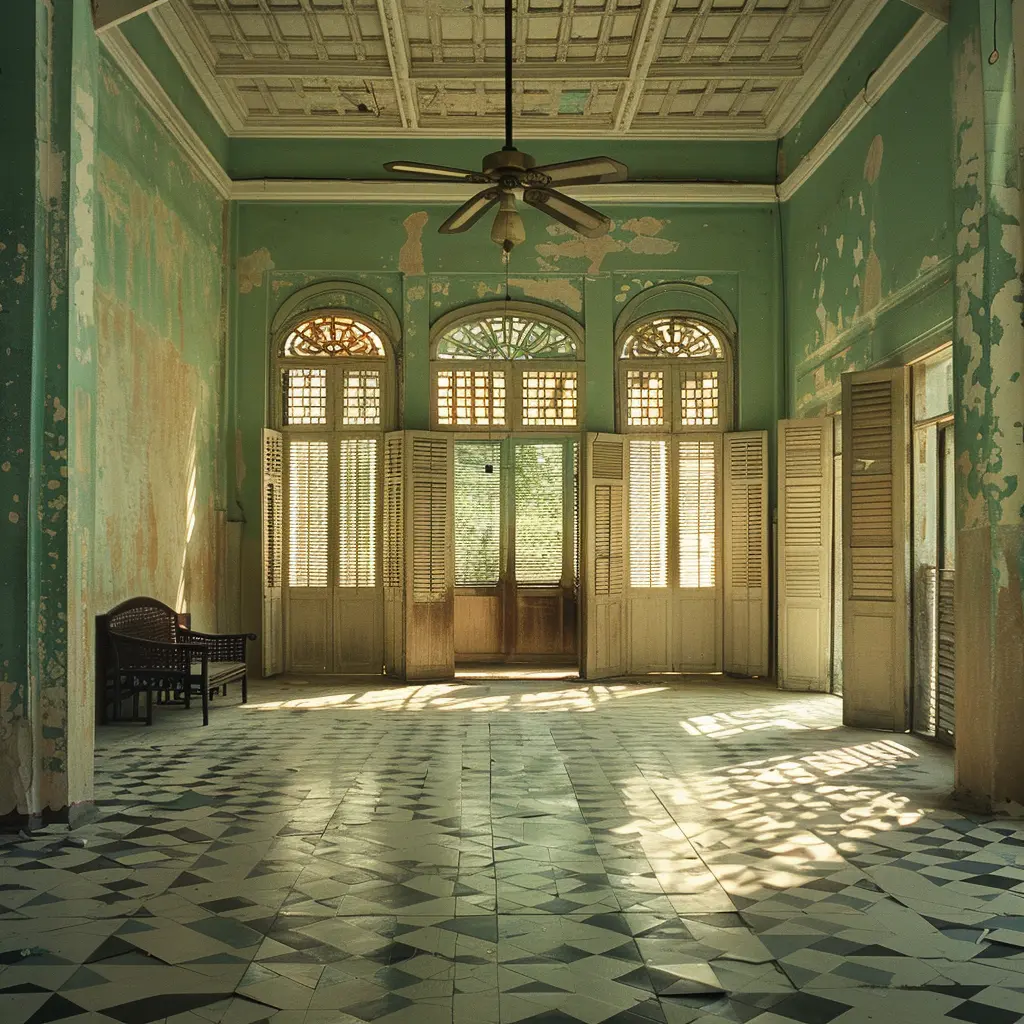
To truly decode the Metropole is to examine the Ghost Era of the Grand Dames – that highly volatile geopolitical window between the 1950s and 1970s. During this epoch:
The Sunset of the Steamship Era (1950s–1960s)
The decline of the Grand Dames was not a sudden collapse. Instead, it was a gradual displacement driven by cheap air travel.
For nearly a century, Suez Canal maritime routes directed European elite travellers into specific ports. Arriving in Singapore, Rangoon, or Hanoi meant staying at the port’s finest palace. The logistical infrastructure of early global travel demanded nothing less.
The Jet Age Displacement
The arrival of commercial flight – specifically the introduction of the Boeing 707 – rendered the leisurely maritime pace obsolete. Travellers were no longer “voyagers” committed to a month at sea; they became “tourists” who valued time over transit. As flight paths bypassed traditional harbour cities, many Grand Dames found themselves financially marooned.
A Shift in Aesthetic: The Rise of Banalistan
By the 1960s, a new architectural philosophy began to dominate. The International Style offered predictable comfort through glass, steel, and standardised air conditioning. Aging Grand Dames simply could not match this convenience.
Travellers traded high, ornate ceilings and hand-cranked elevators for sanitised, chrome-laden efficiency. Modern hotel chains won them over. To the mid-century traveller, aged teak and lime-wash walls did not represent heritage. Instead, they signalled a total lack of progress.
The “Ghost Era”: Grand Dames in Disrepair
As the 1960s bled into the 1970s, many of Southeast Asia’s iconic hotels entered a period of “genteel poverty.” This was the true Ghost Era. Silver teapots were sold off just to pay for urgent roof repairs. Meanwhile, grand ballrooms were partitioned into drab offices for government bureaucrats.
The Materiality of Decay
During this period, maintaining these sprawling estates became a financial impossibility. In the humid tropical monsoon climate, the battle against the elements is constant. Without the capital to refresh the original 1920s lime-wash patina, the facades began to flake and grey.
Ornate plasterwork crumbled in the humidity. Miles of lead plumbing, once a marvel of colonial engineering, became a labyrinth of leaks.
Nationalisation and the Thong Nhat Years
After the 1954 French departure, North Vietnam nationalised the Metropole, renaming it the Thong Nhat Hotel. It became a sombre, functional space where luxury was strictly rationed.
The staff had once served the French elite, yet they maintained a quiet sense of duty. Now, they catered to Eastern Bloc diplomats, aid workers, and ideology-driven journalists. State-issued cotton replaced fine linen. The cellar, once stocked with Bordeaux, held dusty bottles of Russian vodka.
Deep Dive: The Metropole Hanoi as a Wartime Sanctuary
If one hotel captures the resilience of the Ghost Era, it is the Metropole. During the Vietnam War, the hotel transitioned from a palace of leisure to a fortress of necessity. It became the “press club” of the conflict, a place where the history of the 20th century was filed via telegram from the bar.
The Bunker of the Bamboo Bar
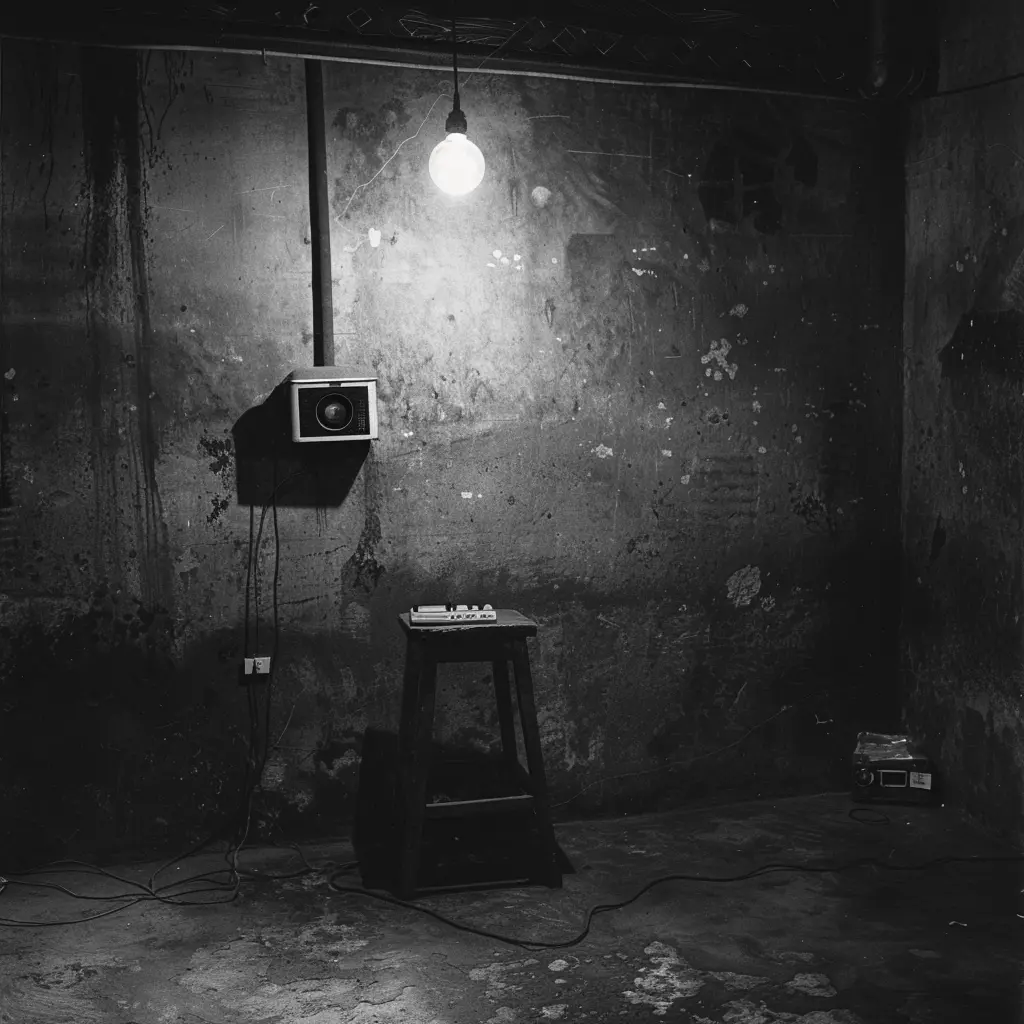
Perhaps the most significant architectural feature of the Metropole is not its neoclassical facade, but the 40-square-meter concrete bunker situated beneath the courtyard. Constructed in the mid-1960s to protect guests from the “Christmas Bombings,” the shelter was a masterpiece of grim utility.
Life in the Metropole during this era was defined by the air-raid siren. When the alarms sounded, diplomats, staff, and world-renowned figures like Jane Fonda and Joan Baez would descend into the damp, narrow corridors. The technical specificity of the bunker – its thick concrete walls and low ceilings – offered a visceral contrast to the soaring French windows above.
The Soundtrack of Resistance
In 1972, during a particularly heavy bombardment, Joan Baez recorded portions of her album Where Are You Now, My Son? within the hotel. The recording is a haunting piece of auditory history; you can hear the distant thud of explosions and the wail of sirens filtering through the hotel’s structure. It solidified the Metropole’s status as a witness to history, rather than a mere bystander.
The Path to Renaissance (1980s–1990s)
The 1980s brought a shift in the global palate. The “cookie-cutter” modernism of the previous decades began to feel hollow. A new generation of traveller, the Discerning Heritage Traveller, began to crave authenticity over standardisation. They didn’t want a room that looked like it could be in London or New York; they wanted a room that smelled of history.
The 1992 Restoration
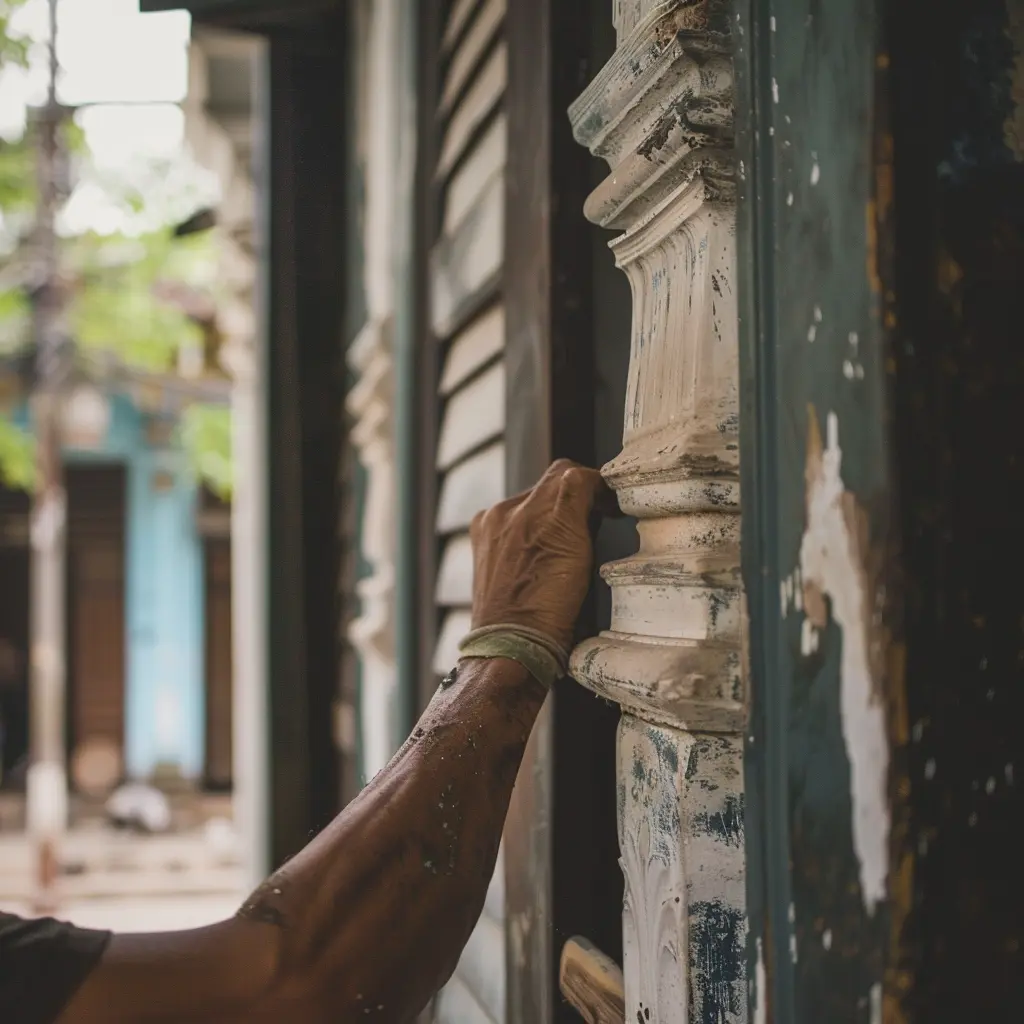
The renovation of the Metropole in the early 1990s was a landmark moment for heritage preservation in Southeast Asia. The goal was not to make the hotel look “new” but to peel back the layers of the Ghost Era to find the building’s soul.
The Modern Experience: A Strategy for the Culturally Curious
Today, the Metropole operates as a Sofitel Legend, a tier reserved for buildings with significant historical provenance. To experience the hotel through a “Slow Travel” lens, one should focus on the technical details:
The Heritasian Verdict: A Legacy of Resilience
The Grand Dames that survived the Ghost Era were more than buildings. They anchored their respective cities. The Sofitel Legend Metropole Hanoi is a definitive example of this endurance. It evolved from French colonial ambition to socialist utility, then to modern luxury. Through each era, it preserved its blend of European order and Vietnamese spirit.
In an age of “Banalistan” glass towers, the Metropole stands apart. You can build five-star amenities anywhere, but you cannot build heritage.
True luxury lives in the depth of a building’s story. It speaks through scratched bunker walls and patinated brass keys. For over a century, these rooms have sheltered both the celebratory and the weary.